How to Make Boxed Stuffing Taste Homemade with Inexpensive Additions
The easiest way to give boxed stuffing more homemade flavor is to add sautéed onion and celery. Cook them until tender in some of the butter called for on the package, then prepare the stuffing with the package’s usual amount of liquid. Finish with a little black pepper or parsley if you have it.
You don’t need sausage, nuts, fresh herbs, and specialty broth all in the same batch. Start with the vegetables, then choose one extra that suits your meal and uses something already in your kitchen.
A simple onion-and-celery upgrade
For one 6-ounce box of quick stovetop stuffing, try the following modest additions. These are suggested starting amounts; keep your particular package’s liquid, butter, and preparation instructions as the base.
- 1/4 cup finely chopped onion
- 1/4 cup finely chopped celery
- The butter or margarine and liquid specified on the box
- Optional: a little black pepper or chopped parsley
- Soften the vegetables first. Melt about 1 tablespoon of the package’s allotted butter in the saucepan over medium-low heat. Add the onion and celery and cook, stirring, until tender. Lower the heat if they begin browning before they soften. If your package calls for less butter, use that smaller amount.
- Add the measured liquid. Add the water specified on the box, along with any remaining butter. Follow the package’s directions for bringing the mixture to a boil and adding the stuffing mix.
- Give the bread time to hydrate. Cover and let it stand or cook for the time directed. Don’t judge the moisture immediately after adding the dry mix.
- Fluff and taste. Gently loosen the stuffing with a fork. Add pepper or parsley if you like, then decide whether it needs anything else.
Finely chopping the vegetables helps distribute them throughout the stuffing. Cooking them first also avoids the crunchy onion and celery you can get by stirring raw vegetables into a quick-cooking mix.
Onion, celery, and broth are also the foundation of Campbell’s stovetop stuffing recipe. Its proportions apply to that recipe, however, so use your own box’s directions when adapting a different mix.
Choose one inexpensive extra
The amounts below are starting suggestions for a 6-ounce box, not additions to use all together. For a smaller package, reduce them. Keep the onion-and-celery version simple, or choose a variation based on what you already have.
| Addition | Suggested starting amount | How to use it |
|---|---|---|
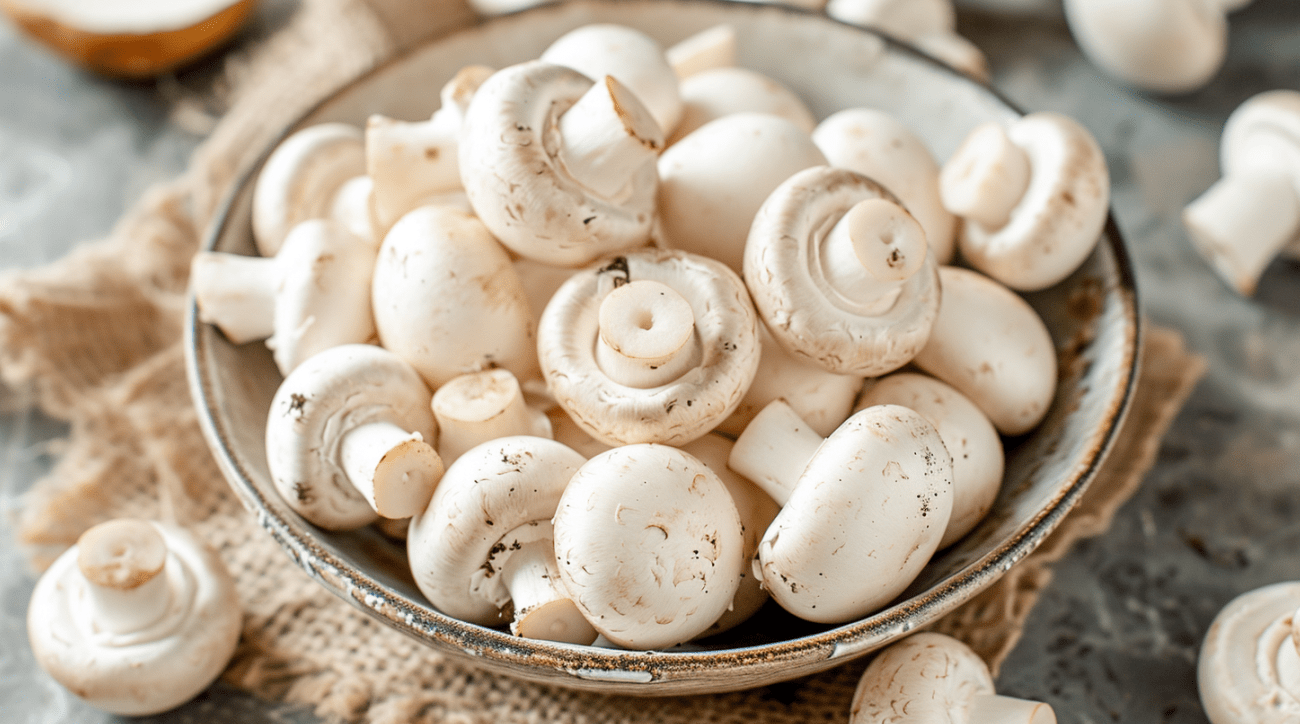
| Mushrooms | 1/2 cup finely chopped | Cook with the vegetables until tender and their released liquid has evaporated. They add a savory flavor without requiring meat. |
| Apple | 1/4 cup finely diced | Cook with the onion and celery until just tender for little bites of sweetness. Use an apple you already enjoy eating. |
| Dried cranberries or raisins | 2 tablespoons | Stir in with the stuffing mix for a sweet contrast. Start small, especially if you’re also serving cranberry sauce. |
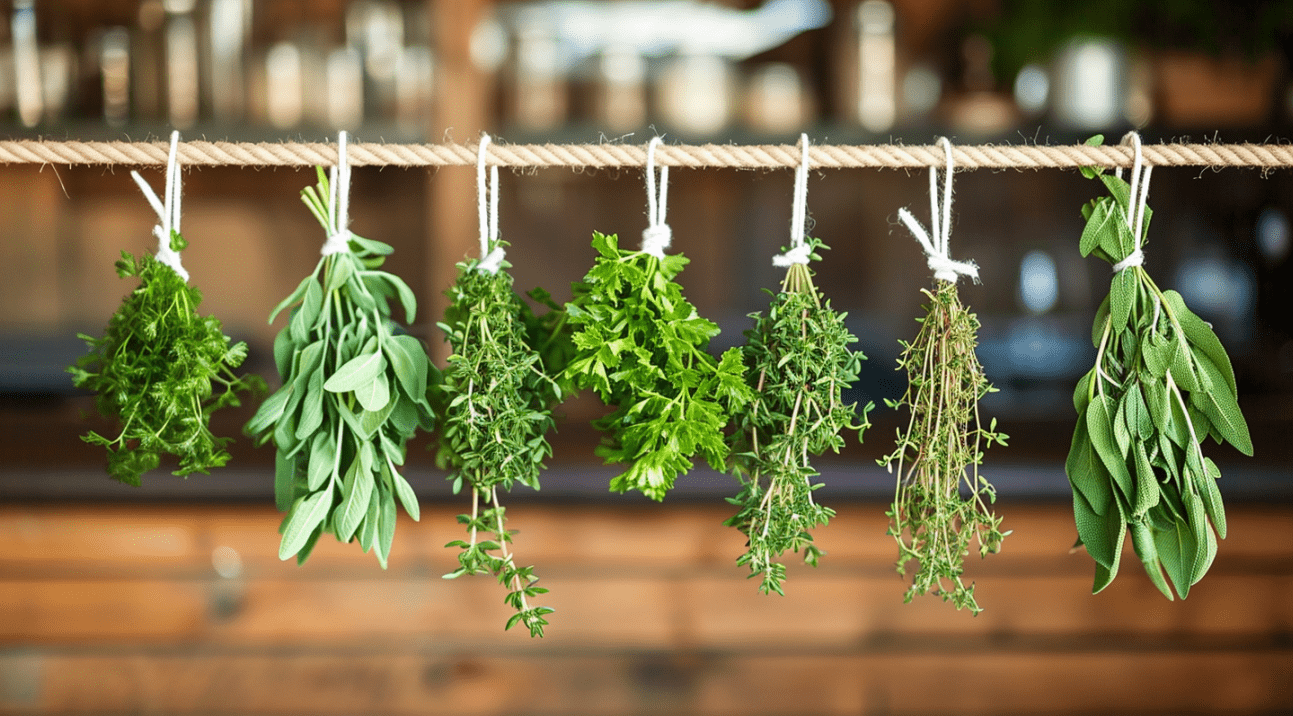
| Dried sage or poultry seasoning | A small pinch | Add to the vegetables near the end of cooking. Taste the finished stuffing before adding more; the mix may already contain similar herbs. |
| Fresh parsley or tender celery leaves | 1 tablespoon finely chopped | Fold in at the end for fresh flavor and color. Wash them before chopping. |
For a savory version, choose mushrooms and a little black pepper. For a sweeter holiday version, use apple or dried cranberries. Onion, celery, and a pinch of sage are enough for a traditional herb flavor.
Cooked sausage can work, too, but it’s an optional purchase rather than a requirement. If you use it, cook it fully before adding it to the stuffing and drain excess fat. Don’t rely on the stuffing’s short covered resting time to cook raw meat.
Should you replace the water with broth?
You can replace some or all of the package’s water with ready-to-use unsalted or low-sodium broth, keeping the total liquid amount the same. For example, if your box calls for 1 1/2 cups of water, use 1 1/2 cups total of water and broth—not the full amount of each.
Check the seasoning before buying anything extra. Many boxed mixes already contain salt and savory flavorings, so regular broth or bouillon may make the stuffing saltier than you want. If using bouillon, dilute it according to its directions before measuring it as the liquid; don’t sprinkle an extra cube or spoonful directly into the mix.
If broth isn’t already on hand, stick with water and spend your effort on cooking the onion and celery. You can also use part of an open carton of broth and make up the remaining volume with water.
Keep the stuffing moist without making it mushy
Start with the liquid amount on the package, then adjust after the instructed resting time. Different mixes absorb liquid differently, and cooked vegetables can contribute some moisture of their own.
- If it’s dry: Drizzle in hot water or unsalted broth 1 tablespoon at a time. Fold gently, cover briefly, and check again before adding more.
- If it’s slightly too wet: Leave it uncovered over low heat briefly, folding gently to release steam. Stop before the bottom scorches. Very soggy bread won’t regain its original texture completely.
- If it’s becoming pasty: Stop stirring. Repeated mixing breaks up the softened bread.
Avoid stretching the mix with a handful of dry bread cubes unless you’re also prepared to adjust the liquid and seasoning. Extra bread can leave you with dry pieces and a blander dish.
For a browned top, finish it in a baking dish
If you prefer crisp edges, transfer the freshly prepared stuffing to a lightly greased, shallow baking dish. Spread it loosely rather than pressing it down. Bake at 350°F, initially covered to limit moisture loss, then uncover toward the end so the top can brown. Check it frequently; the timing depends on the dish’s depth and how hot the stuffing was when it went into the oven.
Use a food thermometer to confirm that the center reaches 165°F. USDA’s stuffing safety guidance recommends cooking stuffing separately from poultry for safety and more even cooking. You don’t need to put the stuffing inside a turkey to give it a holiday flavor.
Prep ahead without losing the convenience
Chop the onion and celery ahead and refrigerate them in a covered container. Measure any dried herbs separately, and leave the stuffing mix dry until you’re ready to prepare it. That leaves very little work for the last few minutes before dinner.
If you want to make the entire dish ahead, cook it fully first. Refrigerate it promptly in shallow containers within two hours, or within one hour if the temperature is above 90°F. Use refrigerated leftovers within three to four days and reheat to 165°F, following FoodSafety.gov’s leftover guidance. Add a small splash of water or unsalted broth and cover during reheating if the stuffing has dried out.
For the smallest shopping list, stop at onion and celery. Use the remaining vegetables in gravy, soup, or another side dish, and save the more elaborate additions for ingredients you already have.
Related Posts:
 Tricks to Making Inexpensive Food Taste Better?
 How to Make Holiday Side Dishes Taste Rich with Less…
- A Taste of Thailand: Spicy Thai Chicken Slow Cooker…
- Why Do Meals Sometimes Taste Bland in the Slow Cooker?
 Is It Safe to Use Expired Coffee Beans? What You…
- How to Cook Chestnuts for Stuffing—and When Packaged…
- How to Make Gluten-Free Stuffing That Doesn’t Turn Mushy
- How to Make Stuffing Without Onions or Garlic That…