How to Make Stuffing Without Onions or Garlic That Still Tastes Like the Holidays
Stuffing can taste like Thanksgiving or Christmas without onions or garlic. Build the flavor around butter, softened celery, sage, thyme, and a well-seasoned broth, then bake it with a moist center and a golden top. A little carrot adds sweetness without taking over the dish.
The ingredient that needs the closest attention is often the broth. Leaving out chopped onions and garlic won’t help if they’re already in the stock, stuffing mix, or seasoning blend.
Check the ingredients that bring hidden seasoning
Start with plain bread or unseasoned bread cubes. Check broth, bouillon, poultry seasoning, flavored butter, and any sausage you plan to add for onion, garlic, powders, or extracts. Even a product described as herb-seasoned may contain onion powder; this manufacturer’s stuffing ingredient list is one example.
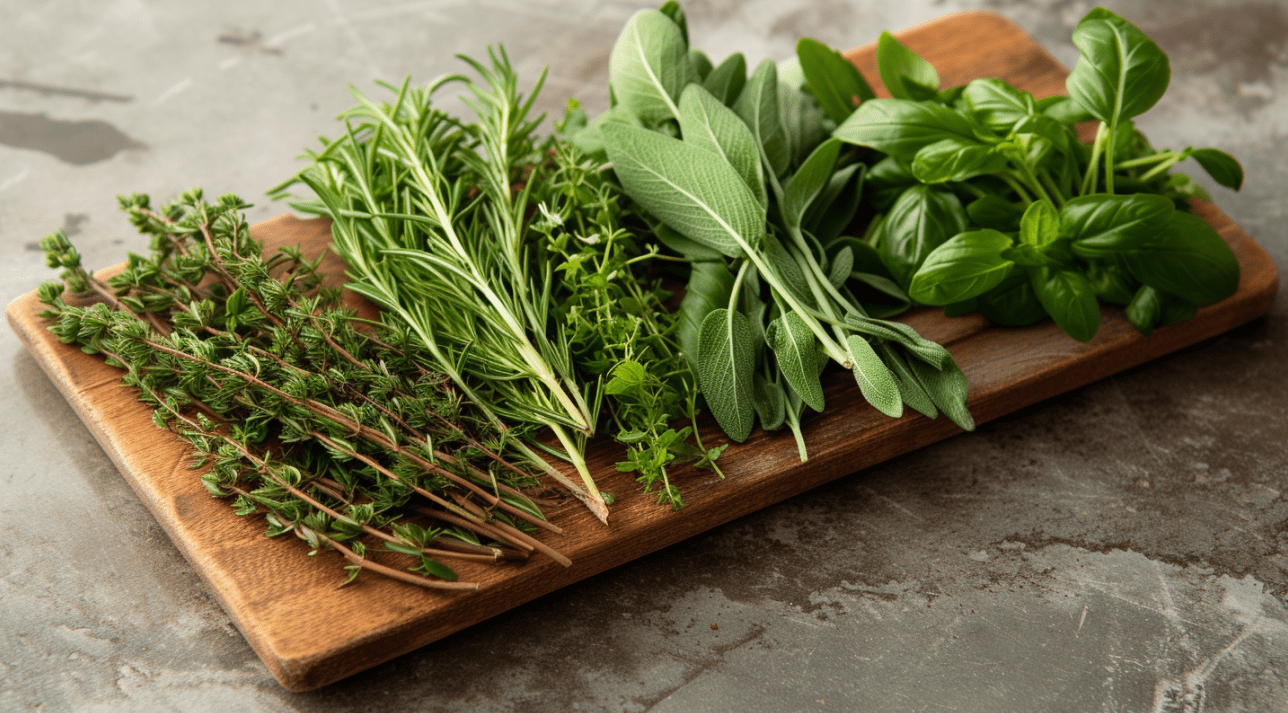
For the easiest seasoning control, use individual herbs and a broth specifically made without onion or garlic, or homemade broth prepared without them. Taste the broth before using it: it should have enough flavor to season the bread, without being excessively salty.
If you’re cooking for a guest with an allergy or another dietary restriction, confirm which ingredients they need to avoid and whether your chosen products are suitable. Don’t assume shallots, leeks, chives, or garlic-infused oil are acceptable substitutes. This recipe isn’t automatically suitable for a low-FODMAP diet or every food allergy.
A simple onion-free, garlic-free stuffing
This version makes approximately six to eight side servings in a 3-quart baking dish. It has a loose, spoonable texture and doesn’t require eggs.
- 8 cups plain, dry bread cubes, about ½–¾ inch across
- 6 tablespoons unsalted butter, plus a little for the dish
- 1½ cups finely diced celery
- ½ cup finely diced carrot
- 1 teaspoon dried rubbed sage
- 1 teaspoon dried thyme
- ¼ teaspoon black pepper
- 2 tablespoons chopped fresh parsley, optional
- 2–3 cups onion-free, garlic-free chicken or vegetable broth, added as needed
- Salt to taste, depending on the bread and broth
1. Start with dry bread
If your bread is fresh, spread the cubes on a baking sheet and dry them in a 300°F (150°C) oven, stirring occasionally, until dry through the center but not deeply browned. Begin checking after about 15 minutes; the total time depends on the bread and cube size.
Dry bread gives you better control over how much broth the stuffing absorbs. You can use a plain loaf you already have, including a mixture of suitable bread ends, as long as it isn’t moldy.
2. Soften the vegetables and add the herbs
Heat the oven to 350°F (175°C) and butter the baking dish. Melt the six tablespoons of butter in a large skillet over medium heat. Add the celery and carrot and cook, stirring regularly, until tender, about 10–15 minutes. Lower the heat if the butter starts browning too quickly.
Stir in the sage, thyme, and pepper for the final minute. Taste a cooled spoonful of the vegetables and adjust the salt. Softening them now prevents crunchy bits from being hidden inside otherwise tender stuffing.
3. Moisten gradually
Put the bread in a large bowl. Add the buttery vegetables and parsley, if using, and toss gently. Pour in two cups of broth in several additions, folding between additions, then let the bread absorb it for a few minutes.
Break open a cube to check the center. If it’s still dry and hard, add more broth about ¼ cup at a time. Aim for moist bread that yields when pressed but still holds some shape. Stop before liquid collects in the bottom of the bowl; different breads may need different amounts.
4. Bake covered, then uncover
Spoon the mixture into the dish without packing it tightly. Cover with foil and bake for about 30 minutes, then uncover and bake for roughly 15–20 minutes more, until the top is golden and the center reaches 165°F (74°C). Check the middle with a food thermometer; FoodSafety.gov recommends 165°F for casseroles.
If the top browns before the middle is hot enough, cover it again and continue baking. If you prefer a softer top, keep it covered for more of the baking time.
Choose one extra flavor if you want it
The celery-and-herb version can stand on its own. For a variation, choose an addition that fits the rest of your meal and your guests’ needs:
- For a deeper savory flavor: Brown chopped mushrooms separately until their released liquid has evaporated, then fold them into the bread.
- For a sweet-tart note: Add a small diced apple to the skillet with the celery and carrot and cook until softened.
- For a festive texture: Fold in chopped plain, cooked chestnuts before baking.
Use the bread’s texture to guide the final broth addition, especially when adding moist vegetables or fruit. Adding several extras at once can crowd out the familiar sage-and-butter flavor you’re trying to preserve.
Prepare the components ahead
To simplify holiday cooking, dry the bread ahead and store it airtight once completely cool. Cook the vegetables the day before and refrigerate them promptly in a covered container. Keep the bread and moist ingredients separate until you’re ready to assemble and bake; USDA advises against refrigerating an assembled, uncooked stuffing mixture.
Label the finished dish clearly and give it its own serving spoon. If you’re serving gravy alongside, check that separately for onion and garlic so guests can enjoy the stuffing as intended.
Related Posts:
 How to Make a Dairy-Free Christmas Dinner Sauce That…
- How to Fix Gravy That Tastes Like Flour
- How to Make Creamed Onions Using Frozen Pearl Onions
 Delightful Home-Roasted Garlic: How to Make Roasted Garlic
 How much garlic powder to replace fresh garlic…
 Garlic Galore: Your Guide to Freezing Garlic
 11 Creative Ways Moms Can Make Last-Minute Money for…
- How to Add Mushrooms to Stuffing Without Making It Soggy