How to Clean Flip Flops Without Damaging Them
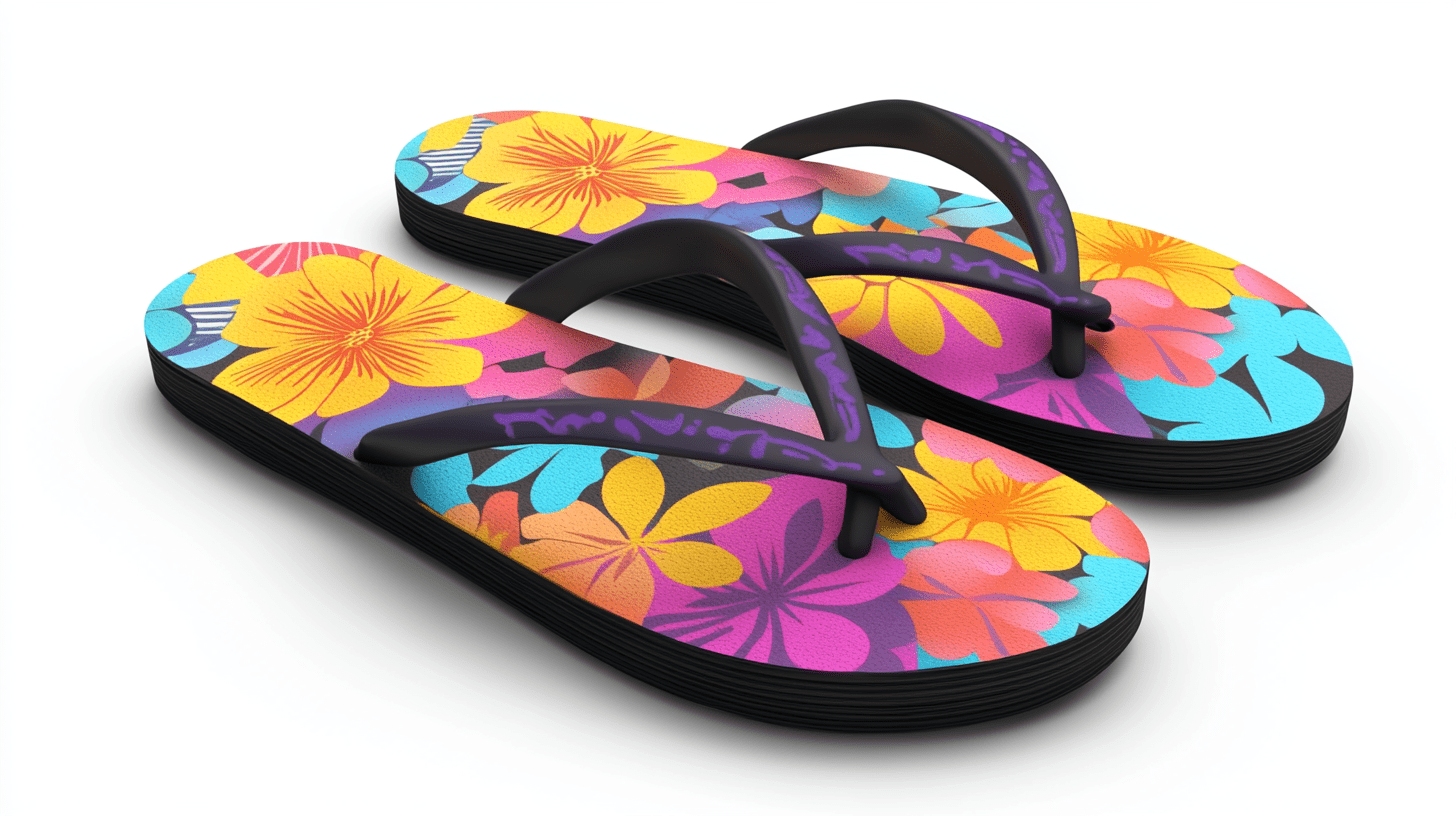
For washable rubber or foam flip flops, start with mild soap, cool water, and a soft cloth or brush. Gently clean the footbeds, straps, and soles, rinse away the soap, and let them air-dry away from heat. Leather, suede, cork, and decorated styles need more careful treatment, so check the material before putting a pair under the faucet.
Cleaning can remove dirt and freshen up your favorite pair, but it won’t reverse worn tread, cracked straps, or permanent discoloration. The goal is to get them clean without damaging the parts that still have plenty of wear left.
Check the Material Before You Start
Look at the care label or the manufacturer’s product page. Check both the straps and the footbed: a rubber sole doesn’t mean the entire sandal can be soaked.
- Washable rubber or molded foam: Use the gentle hand-washing method below unless the manufacturer gives different instructions.
- Leather or suede: Follow the care instructions for that material. Don’t use the full-rinse method simply because the underside is waterproof.
- Cork footbeds: Avoid immersion unless the manufacturer specifically permits it. Birkenstock warns that most of its styles should not be immersed, because oversaturation can affect sealants and finishes.
- Fabric straps, glitter, metallic finishes, or glued decorations: Check the instructions for that particular style before wetting or scrubbing it. Start with gentle spot cleaning if that is the recommended method.
If you can’t identify the material, brush off loose dirt with a dry, soft brush and look up the model before using a cleaning solution.
How to Hand-Wash Rubber or Foam Flip Flops
Gather mild soap, cool water, a soft cloth or nonabrasive sponge, a soft-bristled brush for textured areas, and a clean towel. You usually don’t need a special cleaner for a plain, washable pair. For example, OOFOS recommends mild soap and cold water as one cleaning option.
- Remove loose dirt. Brush away sand and dried debris. If the entire pair is washable, give it a brief rinse with cool water.
- Wash gently. Mix a small amount of mild soap into water, dampen your cloth or sponge, and wipe the footbeds and both sides of the straps. Use a soft brush for grooves in the soles and around the toe posts. Avoid tugging on the straps.
- Work on dirty patches. Make another gentle pass over the heel and toe areas rather than scrubbing harder. On printed or decorated surfaces, use a soft cloth and stop if the finish begins to lift.
- Rinse thoroughly. Rinse washable pairs with clean water until no suds remain. Pay attention to grooves and the undersides of straps, where soap can collect.
- Blot and air-dry. Pat away excess water with a towel, then leave the flip flops in a shaded, ventilated spot. Let all parts dry before wearing or storing them.
This approach follows the basic method in Havaianas’ hand-washing instructions: mild soap, a soft brush, thorough rinsing, and drying out of direct sunlight.
Do You Need to Soak Them?
Not for every cleaning. Try wiping and gentle brushing first. If dirt remains and your manufacturer permits soaking, follow its directions. Havaianas suggests a few minutes in soapy water for most of its flip flops, while directing owners of leather, suede, glitter, and other special styles to their individual care instructions.
Don’t apply a long soak to every pair. A method suitable for plain rubber may be unsuitable for a sandal with absorbent straps, a lined footbed, or decorative details.
Cleaning Leather, Suede, and Cork Styles
For leather straps, use a cleaner approved for the leather’s particular finish and follow its application directions. Try it on an inconspicuous area first. Keep moisture off any adjacent material that should stay dry.
For suede or nubuck, begin with a brush intended for that material. Birkenstock recommends a suede or nubuck brush to lift dirt and restore the nap, along with its specified care products where needed. Avoid treating a suede-covered footbed like a rubber one.
For cork sandals, clean each component according to the manufacturer’s instructions rather than soaking the whole shoe. Let damp sandals dry slowly away from direct heat.
What to Do About Lingering Odors or Stains
If a washable pair still smells after cleaning, check the undersides of the straps, the textured footbed, and the areas around the toe posts for remaining buildup. Clean those spots again if necessary, rinse well, and allow the pair to dry completely before judging the result.
If the odor persists, choose a footwear cleaner or deodorizer specifically approved for the sandal’s material. Check whether it needs rinsing and whether it is suitable for surfaces that touch bare skin.
Don’t assume that baking soda, vinegar, bleach, or an abrasive cleaning pad is suitable for every pair. Use an additional treatment only when the manufacturer approves it. The same applies to white flip flops: their color alone doesn’t tell you which cleaner is appropriate.
For a mark that won’t budge, stop before repeated scrubbing damages the surface. Fading, worn printing, and some discoloration won’t wash away. A clean pair with a cosmetic mark may still be perfectly usable.
Can Flip Flops Go in the Washing Machine?
Only if the instructions for your pair allow it. Machine-washing advice varies by brand and style. OOFOS permits a cold, delicate machine wash for most of its footwear, with stated exceptions, while Havaianas’ UK care page recommends avoiding the washing machine.
When machine washing is allowed, follow the specified cycle, temperature, and detergent instructions. Otherwise, hand-wash washable pairs or use the recommended spot-cleaning method.
Air-dry afterward. OOFOS specifically advises against hairdryers, heaters, and direct sunlight. Don’t try to speed drying by placing foam sandals near a radiator or leaving them in a hot car.
Keep Them Cleaner Between Washes
After a beach trip, remove sand before putting your flip flops away. Rinse plain washable pairs when needed; brush or spot-clean other materials as directed. Let damp sandals dry in the open rather than leaving them in a closed beach bag.
Store them in a cool, dry place, and check the straps and soles while cleaning. If a toe post is tearing, the sole is separating, or the tread is badly worn, cleaning won’t fix the problem. Repair or replace the pair as appropriate instead of trying stronger cleaning products.
Related Posts:
 Make your own DIY Bridal Flip Flops
 How to Deep Clean Your Bathtub Without Damaging the Finish
 How to Wash and Store Seasonal Clothing Without Damaging It
 How to Defrost Your Freezer Without Damaging It or…
 How to Reheat Dinner Rolls Without Making Them Hard or Chewy
 Step Into Style: DIY Fancy Flip-Flop Makeover
 How to Clean Bath Toys—and When to Replace Them
 How to harvest & roast sunflower seeds - and some…