12 Wildflower Meadow Inspired Essential Oil Blends for an Airy Floral Atmosphere
These wildflower meadow blends combine floral notes with leafy citrus and soft woods. Choose Meadow Ribbon or Daisy Colored Day when you want flowers to lead, Buttercup Horizon for a brighter citrus direction, or Open Field Sky for something greener and less sweet.
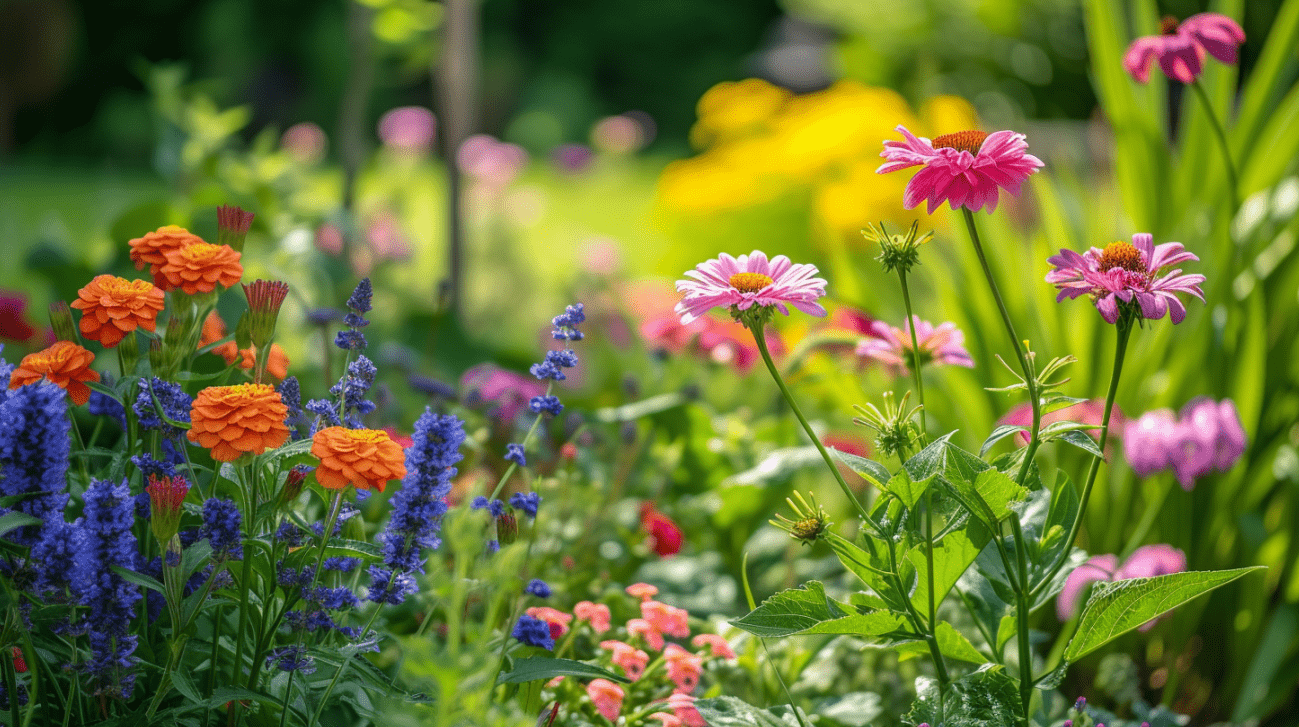
The names take their inspiration from flower-filled fields, winding paths, and summer picnics. They aren’t literal recreations of daisies, buttercups, or clover, and the blends are intended for fragrance rather than health benefits.
How to use these blends
Use these recipes only with a diffuser designed for essential oils, following its instructions for compatible oils, water level, oil quantity, and running time. The listed amounts describe each blend’s proportions; they aren’t a universal dose for every diffuser. Don’t add the whole recipe if it exceeds your device’s directions.
If your diffuser calls for fewer drops, combine the recipe in a clean, dry glass essential oil bottle, cap it, and gently roll it to mix. Add only the amount permitted by your diffuser’s instructions. Label any remainder with the ingredients and date, and follow the oils’ storage guidance. Don’t use these recipes in food, on skin, or in bathwater.
Check that you’re buying the named essential oils rather than fragrance oils or products diluted in a carrier oil. This is especially worth checking with neroli, which may be sold in diluted preparations.
What gives the blends their meadow character?
Geranium and palmarosa bring rosy floral notes, while neroli adds an orange-blossom direction. Lemon and bergamot supply citrus contrast. The less familiar ingredients help keep the collection from being entirely flower-forward: petitgrain bigarade has a green, woody scent with floral undertones, and ho wood combines woody and floral notes.
The descriptions below suggest the character of each combination. The result will vary with the oils you use and your own sense of smell.
12 wildflower meadow blends
1. Meadow Ribbon
Geranium and neroli make this a floral starting point, with a little ho wood beneath them. Picture a loose bouquet tied with a ribbon rather than a sharp citrus scent.
- 2 drops Geranium essential oil
- 2 drops Neroli essential oil
- 1 drop Ho wood essential oil
2. Fieldside Posy
Palmarosa and geranium give this posy its rosy direction. An equal share of ho wood alongside palmarosa brings more wood into the composition than Meadow Ribbon.
- 2 drops Palmarosa essential oil
- 2 drops Ho wood essential oil
- 1 drop Geranium essential oil
3. Buttercup Horizon
Lemon and leafy petitgrain give this blend a bright, green direction. Neroli adds a floral accent without making flowers the main theme.
- 2 drops Petitgrain bigarade essential oil
- 2 drops Lemon essential oil
- 1 drop Neroli essential oil
4. Wildflower Press
A citrus-led combination with touches of geranium and wood, inspired by flowers tucked between the pages of a notebook. Try this direction if you want floral notes without a full bouquet effect.
- 2 drops Bergamot essential oil
- 1 drop Geranium essential oil
- 1 drop Lemon essential oil
- 1 drop Ho wood essential oil
5. Daisy Colored Day
This floral pairing uses palmarosa in place of Meadow Ribbon’s geranium. It’s a useful comparison if you have both oils and want to discover which rosy note you prefer with neroli.
- 2 drops Palmarosa essential oil
- 2 drops Neroli essential oil
- 1 drop Ho wood essential oil
6. Grass Path Bouquet
Palmarosa and geranium provide the bouquet, with bergamot adding citrus contrast. This is one of the floral options that doesn’t require neroli or ho wood.
- 2 drops Palmarosa essential oil
- 2 drops Bergamot essential oil
- 1 drop Geranium essential oil
7. Summer Petal Drift
Geranium meets bergamot with a small neroli accent. The combination takes its cue from petals scattered across a sunny garden table, with citrus woven through the floral notes.
- 2 drops Geranium essential oil
- 2 drops Bergamot essential oil
- 1 drop Neroli essential oil
8. Flowers by the Stile
Petitgrain supplies a leafy backdrop for two rosy oils and a little lemon. Choose this blend when you want greenery to be as much a part of the theme as flowers.
- 2 drops Petitgrain bigarade essential oil
- 1 drop Palmarosa essential oil
- 1 drop Geranium essential oil
- 1 drop Lemon essential oil
9. Open Field Sky
With petitgrain and ho wood taking the larger shares, this is a woody-green interpretation of the meadow theme. Palmarosa adds a floral touch without any lemon or bergamot.
- 2 drops Petitgrain bigarade essential oil
- 2 drops Ho wood essential oil
- 1 drop Palmarosa essential oil
10. Pink Clover Postcard
This shares Buttercup Horizon’s lemon-and-petitgrain base, using palmarosa for the floral accent. It offers another way to explore that bright, leafy combination without neroli.
- 2 drops Petitgrain bigarade essential oil
- 2 drops Lemon essential oil
- 1 drop Palmarosa essential oil
11. Botanical Picnic
Neroli and lemon share the lead, with ho wood underneath. Think orange blossoms, citrus peel, and a picnic basket set beside a field of flowers.
- 2 drops Neroli essential oil
- 2 drops Lemon essential oil
- 1 drop Ho wood essential oil
12. Meadow at Golden Hour
Neroli leads this mix of floral, leafy, and woody notes. Without the lemon found in Botanical Picnic, it takes the collection toward an orange-blossom bouquet with more greenery around it.
- 2 drops Neroli essential oil
- 1 drop Palmarosa essential oil
- 1 drop Petitgrain bigarade essential oil
- 1 drop Ho wood essential oil
Keep the fragrance comfortable
Use a ventilated space and take breaks rather than running fragrance continuously, consistent with the Tisserand Institute’s diffusion guidance. Stop if the scent causes discomfort, and check with others before using it in a shared room. These recipes aren’t a blanket recommendation for use around children or people with fragrance sensitivities.
Keep concentrated oils and filled diffusers away from children and pets. The ASPCA advises against diffusers in homes with birds and highlights concerns for pets with breathing problems. Ask your veterinarian about use around your own pets.
Start with a recipe that uses oils you already own. Keep a brief note of the blend, the amount used according to your diffuser’s directions, and whether you preferred its floral, citrus, or woody character. That makes it easier to choose your next meadow scent without buying the whole collection at once.
Related Posts:
 12 Garden Wedding Inspired Essential Oil Blends for…
 12 Paris Flower Shop Essential Oil Blends for a…
 12 Mountain Hiking Inspired Essential Oil Blends for…
 12 Moroccan Riad Inspired Essential Oil Blends for a…
 10 Hawaii-Inspired Essential Oil Blends That Smell…
 12 Zodiac-Inspired Essential Oil Blends for Star Sign Style
 12 Orchard Walk Inspired Essential Oil Blends for…
 12 Holiday Baking Inspired Essential Oil Blends for…