Is Vinegar a True Disinfectant for Cleaning?

No—ordinary household vinegar isn’t a reliable disinfectant. It can be useful for some cleaning jobs, but don’t count on a homemade vinegar spray to disinfect a counter, bathroom or surface touched by someone who’s sick. The American Cleaning Institute advises against using vinegar as a substitute for a disinfectant.
That doesn’t mean you need to disinfect everything in your home. For everyday messes, cleaning is often enough. Knowing which job you’re doing helps you avoid buying products you don’t need—or relying on one that can’t do the job.
Cleaning and disinfecting do different jobs
A surface can look clean without being disinfected. Here’s the difference:
- Cleaning removes dirt and many germs through washing and scrubbing.
- Sanitizing reduces germs to levels considered safe under public health standards.
- Disinfecting kills most germs remaining on a surface after cleaning.
According to the CDC’s household cleaning guidance, soap or detergent and water remove most harmful bacteria and viruses, and routine cleaning is enough in most situations. Disinfecting becomes more important when someone is sick or has a weakened immune system.
For example, wiping up a sticky juice spill calls for cleaning. A bathroom used by someone with a stomach bug needs a more specific approach. The fact that vinegar removes the visible mess doesn’t tell you whether it has dealt with the germs.
Where vinegar can help—and where to skip it
If you already have white vinegar in the cupboard, it may be useful for a limited cleaning task. NSF notes that vinegar and water can clean windows and other compatible surfaces. That is a cleaning use, not a disinfecting claim.
Before using it, check the surface manufacturer’s care instructions. Look for restrictions on acidic cleaners and any recommended dilution. A small spot test can help reveal a finish problem, but it doesn’t override an instruction to avoid vinegar.
- Natural stone: Skip vinegar on marble, limestone and other natural stone surfaces, including granite. The Natural Stone Institute warns that acidic cleaners can dull or etch certain stones and recommends suitable neutral cleaners instead.
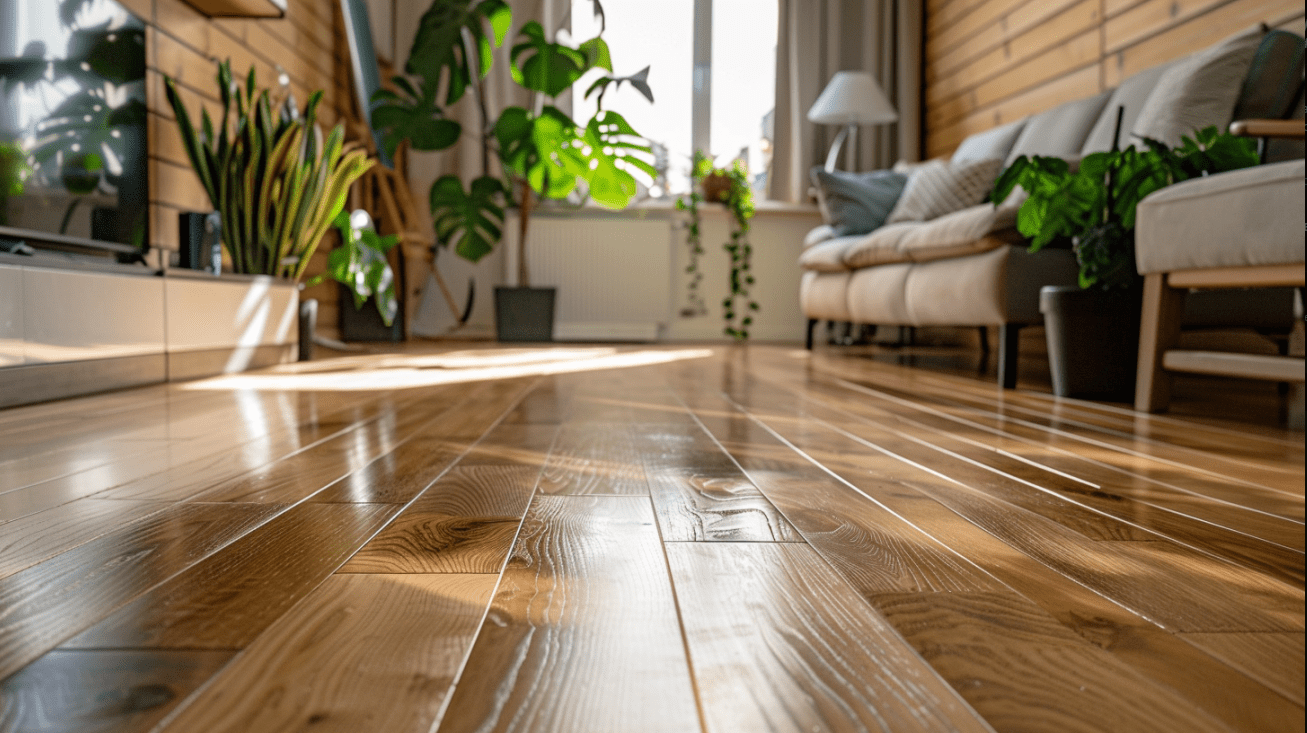
- Wood floors and furniture: Vinegar can damage these surfaces. Use the care product recommended for the finish.
- Electronics and appliances: Follow the manufacturer’s cleaning directions rather than assuming a homemade spray or vinegar soak is suitable.
There’s no need to make vinegar your all-purpose cleaner. For ordinary grime, a suitable soap or detergent may already cover the task without another bottle under the sink.
What to use when you need to disinfect
In the United States, choose an EPA-registered disinfectant labeled for the surface and the germ you’re targeting. Look for an EPA registration number on the container, then read the disinfection directions. The EPA’s disinfectant guidance and product lists can help you check a product’s claims.
- Clean away dirt first. Follow the product’s directions for preparing the surface.
- Use the specified amount or dilution. Don’t improvise a stronger mixture.
- Keep the surface visibly wet for the full contact time. This is the time listed on the label for the relevant germ. Spraying and immediately wiping dry may not disinfect.
- Follow the finishing instructions. Check whether rinsing is required, particularly on food-contact surfaces, and follow directions for ventilation and protective equipment.
If someone has vomited or had diarrhea, don’t reach for vinegar. The CDC’s norovirus cleanup instructions call for prompt cleaning and disinfection with an appropriate bleach solution or an EPA-registered product effective against norovirus. Check that specific claim; a general disinfectant label doesn’t mean a product works against every virus.
Use vinegar safely
Never mix vinegar with chlorine bleach. The combination releases chlorine gas, which can irritate or injure the eyes and airways, as explained by Poison Control’s vinegar safety guidance. Don’t add vinegar to another cleaning product.
Vinegar is acidic, and “natural” doesn’t mean harmless. Avoid splashes in your eyes, label homemade cleaning mixtures clearly, and store cleaners out of children’s and pets’ reach. A more concentrated vinegar product isn’t interchangeable with the bottle you use for cooking.
For a simple cleaning cupboard, start with a cleaner suited to your surfaces and keep an appropriate disinfectant for situations that call for it. Vinegar can have a place, but it doesn’t need to handle every job. Browse our budget-friendly cleaning tips for help planning the rest of your routine.
Related Posts:
 White Wine Vinegar vs. Champagne Vinegar in Culinary…
 Does Balsamic Vinegar Need to Be Refrigerated? Tips…
 Does Apple Cider Vinegar Need to Be Refrigerated?…
 DIY Soaker Hose Magic: A Gardener's Dream Come True
 Cleaning a Kettle with Lemon or Vinegar
 Vinegar Cleaning Checklist: Daily, Weekly and Monthly Tasks
 Pine Oil Disinfectant
 Create Your Own Disinfectant Wipes: A DIY Guide