Eco-Friendly Laundry: How to Reduce Water and Energy Usage
Laundry is a routine household chore, but it can also have a significant environmental impact. From excessive water use to high energy consumption, traditional laundry practices can be resource-intensive. Fortunately, there are many ways to make laundry more eco-friendly without compromising cleanliness.
We will explore practical strategies for reducing water and energy usage, including tips on cold water washing, using concentrated detergents, optimizing load sizes, and selecting energy-efficient appliances.
Wash in Cold Water Whenever Possible
Washing clothes in cold water is one of the simplest ways to reduce energy consumption. About 90% of the energy used in laundry comes from heating the water, making cold water washing an easy way to save energy and lower your carbon footprint.
- When to Use Cold Water: Cold water is perfectly effective for most loads, especially for lightly soiled clothes, everyday wear, and synthetic fabrics. Modern detergents are formulated to clean well in cold water.
- Hot Water for Specific Needs: Reserve hot water washing for heavily soiled items, linens that require sanitizing, or when dealing with allergens. Even in these cases, using warm instead of hot water can still cut down on energy use.
Use Concentrated or Eco-Friendly Detergents
Detergents come in various forms, but not all are created equal when it comes to environmental impact. Choosing concentrated or eco-friendly detergents can reduce packaging waste, chemical runoff, and water consumption.
- Concentrated Detergents: These formulas require less detergent per load, which means you use fewer resources over time. They also come in smaller bottles, reducing packaging waste and transportation emissions.
- Eco-Friendly Detergents: Look for detergents that are biodegradable, free of phosphates, and packaged in recyclable or compostable materials. Many eco-friendly brands also avoid harsh chemicals that can be harmful to water systems.
Optimize Load Sizes
Washing clothes in full loads is one of the easiest ways to reduce water and energy usage. Overloading or underloading your machine can result in inefficient washing and wasteful resource use.
- Full Loads Only: Run your washer with full loads to maximize water and energy efficiency. Small loads waste water and energy since most washers use nearly the same amount of resources regardless of load size.
- Properly Sort Clothes: Sorting clothes by fabric type and soil level can help ensure that each load gets the appropriate amount of water and detergent. This also prevents delicate fabrics from being over-washed and wearing out prematurely.
Choose Energy-Efficient Appliances
Upgrading to energy-efficient laundry appliances can significantly reduce your household’s environmental impact. Energy-efficient washers and dryers are designed to use less water and energy while providing the same level of cleaning performance.
- Look for ENERGY STAR® Rated Machines: ENERGY STAR® certified washers and dryers use 25% less energy and 33% less water than standard models. These machines often feature advanced technology to optimize water levels, reduce energy usage, and improve overall efficiency.
- High-Efficiency (HE) Washers: HE washers use less water per load and have faster spin cycles that remove more moisture, reducing drying time. These washers require special HE detergents that produce fewer suds, further conserving water and energy.
Use the Eco or Energy-Saving Settings
Many modern washing machines and dryers come equipped with eco or energy-saving settings. These settings are designed to use less water, lower temperatures, and reduce energy consumption without sacrificing cleaning power.
- Eco Mode: The eco mode typically extends the washing or drying cycle but uses lower temperatures and less energy, making it an ideal choice for lightly soiled laundry.
- Lower Spin Speeds: Lower spin speeds use less energy but may leave clothes wetter. For delicate fabrics, using a slower spin speed and air-drying can be more sustainable.
Air-Dry When Possible
Air drying clothes is one of the most energy-efficient drying methods available. By skipping the dryer, you can reduce energy usage and also extend the life of your clothes.
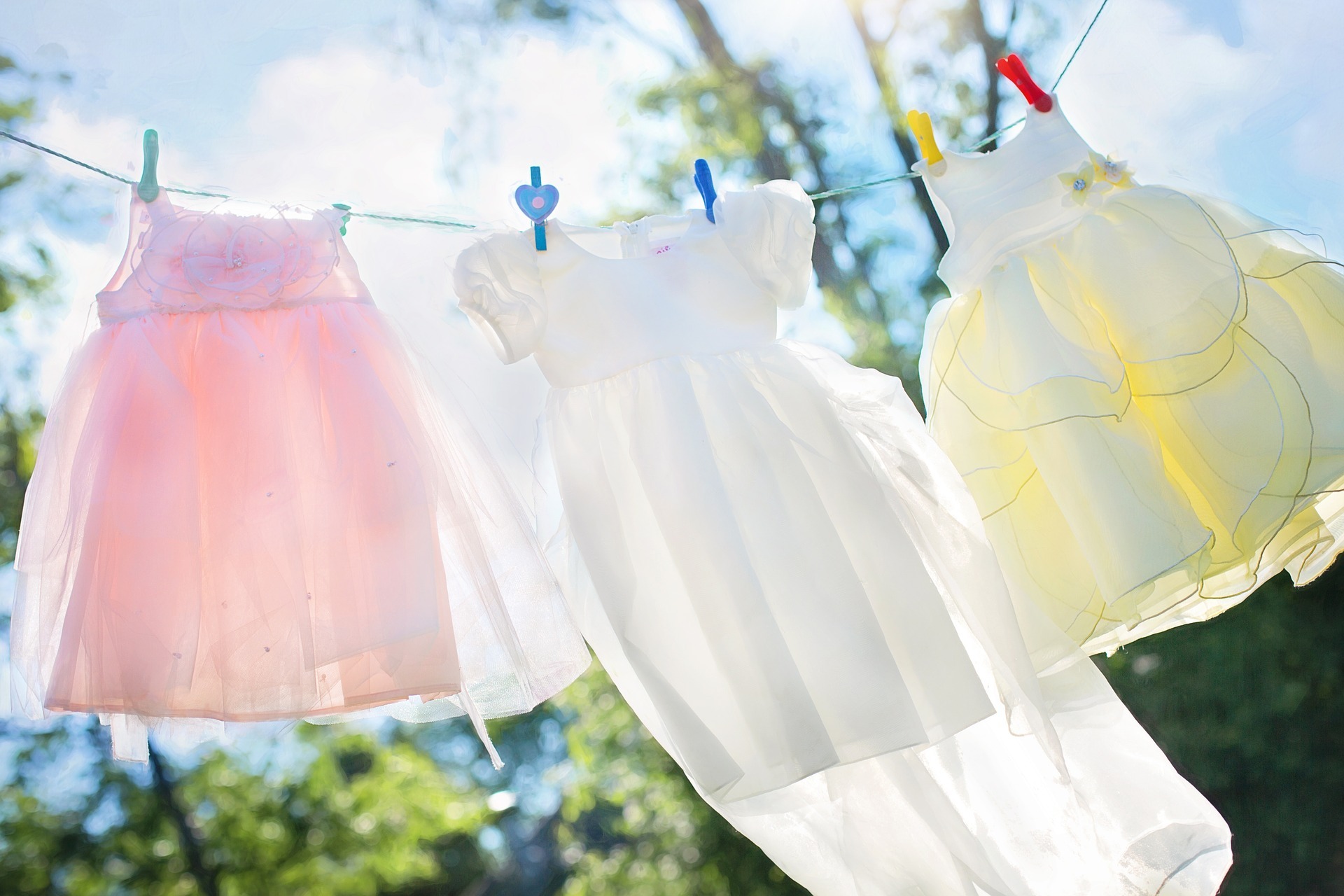
- Use a Drying Rack or Clothesline: Set up a drying rack indoors or hang clothes outside on a clothesline when weather permits. Air drying not only conserves energy but also reduces wear and tear on fabrics.
- Tumble Dryer Tips: If you do use a tumble dryer, consider adding dryer balls to the load. Dryer balls help separate clothes and improve air circulation, reducing drying time and energy consumption.
Wash Clothes Less Frequently
Washing clothes more often than necessary can waste water and energy. Many clothes, especially lightly worn items like jeans or sweaters, don’t need to be washed after every wear.
- Extend Time Between Washes: Spot clean minor stains and allow clothes to air out between wears. This will help reduce the frequency of washing while keeping your clothes fresh.
- Refresh Clothes with Steam: Use a garment steamer or a quick tumble in the dryer with a damp towel to refresh clothes that don’t require a full wash.
Use Shorter or Quick Wash Cycles
Many washing machines have shorter wash cycles designed for lightly soiled clothes. Using these shorter cycles can reduce water and energy usage, especially for everyday items that don’t require deep cleaning.
- Quick Wash Cycle: For items that are not heavily soiled, the quick wash cycle can get the job done in less time, using less water and energy.
- Cold Water Rinse: If possible, select a cold water rinse to further reduce energy consumption during the wash cycle.
Maintain Your Washer and Dryer for Efficiency
Proper maintenance of your washing machine and dryer ensures they run efficiently, reducing water and energy waste.
- Clean the Lint Trap: Always clean the dryer lint trap after each use to improve air circulation and reduce drying time.
- Descale Your Washing Machine: Hard water can lead to mineral buildup in your washing machine, causing it to use more energy. Descale your machine regularly by running an empty load with white vinegar or a descaling solution.
- Check for Leaks: Ensure your washer and hoses are free from leaks. Even a small leak can waste significant amounts of water over time.
Use Cold Water Stain Removers
Instead of relying on hot water to remove stains, use cold water-specific stain removers. These products are formulated to work in cold water and will help keep your laundry routine more energy-efficient.
- Pre-Treat Stains: Pre-treating stains with eco-friendly stain removers before washing can eliminate the need for hot water or extended wash cycles.
Eco and Save!
Making your laundry routine more eco-friendly is easier than you might think. By washing in cold water, using concentrated and eco-friendly detergents, optimizing load sizes, and upgrading to energy-efficient appliances, you can significantly reduce your water and energy usage. Additionally, small changes like air drying clothes and using quick wash cycles can make a big difference. These sustainable laundry practices not only help the environment but can also save you money in the long run.
Related Posts:
 Sparkling Whites with Cold Water: Your Eco-Friendly…
 The Green Monthly Menu Planner: Your Gateway to…
 Eco-Friendly Drain Declogging: A Sparkling Solution
 Laundry Pods vs Liquid Laundry Detergent vs Laundry…
- How to Build One Grocery List for Thanksgiving and…
 How to Remove Hard Water Stains and Buildup from Laundry
- Bye-Bye Water Rings: Removing White Water Rings from Tables
 How to Properly Care for Laundry Bags, Mesh…