What Herbs or Seasonings Can Be Added to Sautéed Mushrooms?
Garlic, thyme, parsley, rosemary, sage, and black pepper all work well with sautéed mushrooms. For an easy combination, start with garlic and thyme, then finish with fresh parsley. For something bolder, try smoked paprika, chili flakes, or a small splash of soy sauce.
You don’t need a long list of ingredients. Choose one main herb, add garlic or pepper if you like, and match the seasonings to the meal you’re serving. Rosemary suits mushrooms alongside roast potatoes; chives are a gentler choice for an omelet.
Which herbs should you choose?
These are useful options for everyday button, cremini, or sliced portobello mushrooms. Treat the pairings as suggestions rather than rules, and use strong herbs sparingly so you can still taste the mushrooms.
| Herb | Flavor it adds | Where to use it |
|---|---|---|
| Thyme | Earthy, gently woodsy flavor | Mushrooms for steak, chicken, gravy, or a simple side dish |
| Parsley | A fresh, mild finish | Garlic mushrooms, pasta, or mushrooms on toast |
| Rosemary | A strong, piney aroma | Mushrooms served with roast potatoes or beef; chop the leaves finely |
| Sage | A savory, earthy flavor | Buttery mushrooms for stuffing, pasta, or a fall side dish |
| Chives | A mild onion flavor | Omelets, scrambled eggs, or creamy mushroom dishes |
| Tarragon | A distinctive anise-like note | Mushrooms with cream, chicken, or a little Dijon mustard |
| Oregano | A robust, peppery herbal flavor | Pizza toppings, tomato pasta, or Mediterranean-style vegetables |
If you’re unsure where to start, thyme and parsley are a straightforward pairing. Both appear with garlic in the Academy of Nutrition and Dietetics’ herbed mushroom recipe.
Other seasonings that work well
- Garlic: Use minced fresh garlic for a pronounced garlic flavor, or garlic powder when that’s what you have. Add fresh garlic toward the end of browning so it doesn’t scorch while the mushrooms cook.
- Black pepper: A useful partner for nearly any herb, especially thyme, rosemary, and parsley.
- Smoked paprika: Adds a smoky flavor to mushrooms for tacos, rice bowls, or burgers. Start with a light sprinkle.
- Red pepper flakes: Add a pinch for heat in garlic mushrooms or pasta toppings.
- Soy sauce or tamari: Adds saltiness and savory depth. Stir in a little after browning, then taste before adding salt.
- Lemon juice or balsamic vinegar: A small splash at the end adds acidity. Choose lemon for a brighter finish or balsamic for a sweeter, tangier flavor.
- Parmesan: Sprinkle over the finished mushrooms for a salty, savory topping, particularly when serving them with pasta or toast.
If you’re using a premixed steak seasoning or garlic salt, check whether salt is already included. Season the mushrooms with the blend first, taste, and only then decide whether they need more salt.
How much seasoning should you add?
For 8 ounces (about 225 grams) of mushrooms, the following are modest starting amounts to adjust to your taste. Choose one combination for the pan; don’t add them all together.
- Garlic and thyme: 1 small minced garlic clove, ½ teaspoon fresh thyme leaves, and a few grinds of black pepper.
- Lemon and parsley: 1 tablespoon chopped fresh parsley and ½ teaspoon lemon juice, stirred in after cooking. Taste before adding more lemon.
- Rosemary and garlic: ¼ teaspoon finely chopped fresh rosemary and 1 small minced garlic clove.
- Smoky and spicy: ¼ teaspoon smoked paprika and a small pinch of red pepper flakes.
- Soy and ginger: 1 teaspoon soy sauce and ½ teaspoon finely grated fresh ginger. Taste before adding any salt.
For dried thyme, rosemary, sage, or oregano, start with a small pinch for this amount of mushrooms. Dried herbs vary in strength, so add cautiously rather than replacing a spoonful of fresh herbs with the same amount of dried. Rub dried leaves between your fingers and give them a little time in the pan to release their aroma.
When to add herbs and seasonings
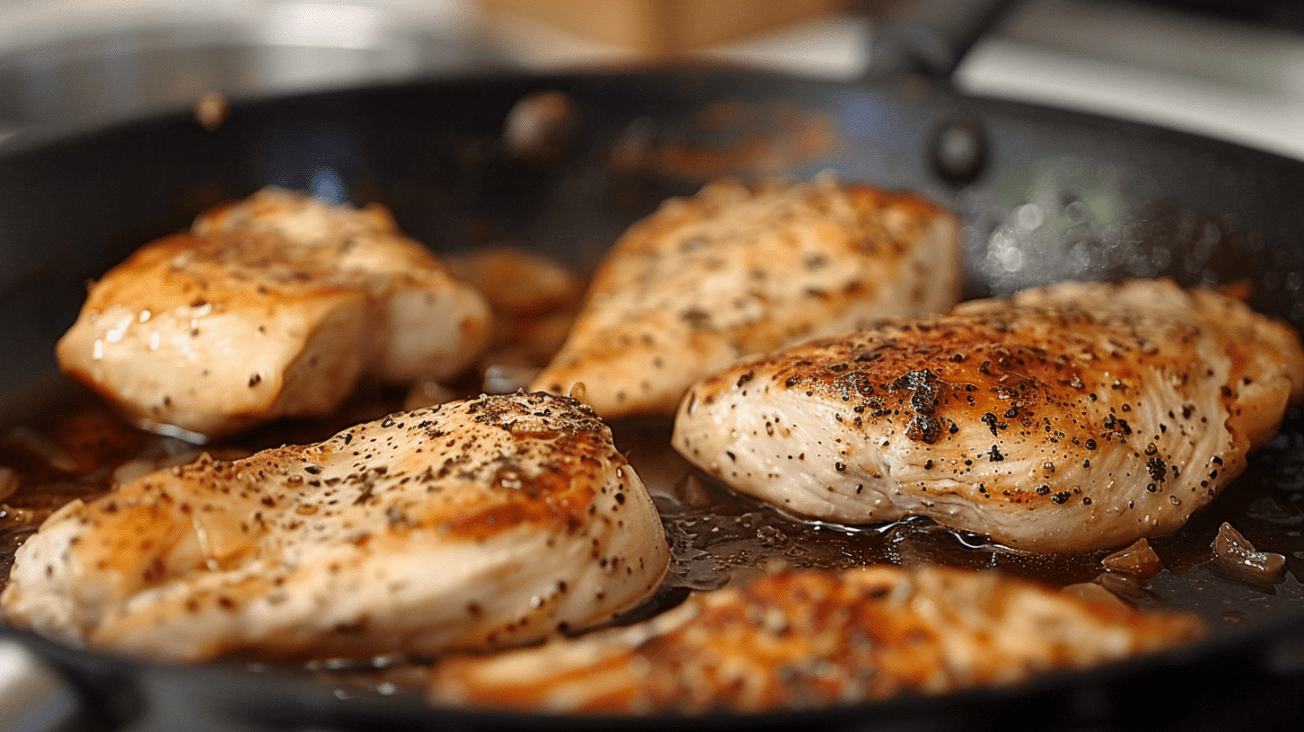
Brown the mushrooms before adding delicate flavorings. Use a wide skillet and cook in batches if necessary. The Mushroom Council recommends a single layer of mushrooms with time to brown before turning. Giving them room helps you build flavor before reaching for more seasoning.
Once the mushrooms have browned, reduce the heat and stir in minced garlic, ginger, chopped rosemary, sage, or dried herbs. Add a little butter or oil if the pan is dry, and stir until fragrant without letting the garlic darken. The Mushroom Council’s simple sautéed mushroom recipe similarly adds garlic after the mushrooms have begun to brown.
Add soy sauce or a small splash of balsamic near the end and toss to coat. Stir in tender fresh herbs such as parsley and chives after taking the pan off the heat. Add lemon juice at this point, too, then taste a mushroom before adjusting the salt and pepper.
Match the seasoning to the rest of dinner
For mushrooms going into another dish, borrow flavors already in that dish. Use oregano for a tomato pasta, sage for stuffing, or ginger and soy sauce for a rice bowl. If the mushrooms will join a salty sauce or cheese topping, keep their own seasoning light until everything is combined.
For a simple side dish, garlic, black pepper, and whichever suitable herb you already have are enough. There’s no need to buy several fresh herb bunches for one pan of mushrooms.
Related Posts:
 How Long Do Fresh Mushrooms Last in the Fridge? A…
 Are Organic Foods Worth the Added Price?
 Dried Herbs vs. Fresh Herbs: Where to Save Money in…
 Can you use fresh herbs in the slow cooker?
- How to clean mushrooms the easy way
- How to freeze mushrooms
- How to Add Mushrooms to Stuffing Without Making It Soggy
 Essential Oils for Cleaning: What They Can and Can’t Do