Age-Appropriate Chores for Kids: Toddler to Teen Chore Lists and Rewards
Children can start helping with household chores as toddlers, beginning with simple tasks such as putting toys away or matching socks. As they get older, they can take on responsibilities such as setting the table, doing laundry, preparing meals, and keeping their rooms organized. The key is choosing chores that match each child’s abilities, teaching them how to complete the task, and gradually giving them more independence.
Giving kids regular responsibilities doesn’t mean expecting them to clean the house or manage adult-sized workloads. A two-year-old helping put blocks in a basket is learning something different from a teenager preparing dinner. Both can contribute to family life in ways that make sense for their age.
The chore lists below cover children from toddlers through teenagers, along with reward ideas and suggestions for making household tasks less of a daily struggle. Ages are guides rather than strict rules. A child’s maturity, experience, physical abilities, and individual needs are just as important when choosing appropriate responsibilities.
Why Giving Kids Chores Can Be Worthwhile
Household chores provide opportunities for children to practice useful skills while contributing to the family. Putting away toys introduces sorting and organization, helping with laundry teaches clothing care, and preparing meals develops skills they’ll eventually need when living independently.
The American Academy of Pediatrics recommends introducing age-appropriate household responsibilities and gradually increasing expectations as children develop. It also emphasizes teaching children how to complete tasks and praising their efforts rather than expecting perfect results.
Some of the benefits of involving children in household work include:
- Building confidence: Completing a manageable task gives children a chance to see what they can accomplish independently.
- Learning practical life skills: Cooking, cleaning, organizing, laundry, and basic budgeting are useful skills that become increasingly important as children grow.
- Practicing responsibility: Regular jobs help children understand that shared spaces and belongings need ongoing care.
- Developing routines: Remembering to feed a pet with supervision or putting laundry in a hamper introduces planning and follow-through.
- Working as a family: When adults and children contribute to household tasks, children can see how their efforts help everyone.
These benefits aren’t automatic. Children usually need demonstrations, reminders, and plenty of practice. Chores should be reasonable, and they shouldn’t replace time for schoolwork, sleep, play, or rest.
Age-Appropriate Chores for Kids
Start with one or two responsibilities your child can complete successfully. Once those become familiar, introduce another task or increase the responsibility slightly. Younger children generally need hands-on help, while older kids can work toward managing a chore from beginning to end.
Toddlers: Chores for Kids Under 3
At this age, chores are really opportunities to help an adult. Toddlers enjoy copying what family members do, so keep activities short, simple, and playful. Don’t expect them to remember responsibilities independently or complete tasks to an adult standard.
- Put away toys: Encourage your toddler to place blocks, stuffed animals, or other large toys in a basket after playing. Make it a game by putting toys away together.
- Match socks: Set out a few pairs of clean socks and help your child find matching colors or patterns.
- Help with a pet’s water bowl: Under direct adult supervision, a toddler can help pour a small amount of water into a pet bowl. An adult should handle the bowl and manage interactions with the animal.
- Dust low surfaces: Give your child a clean, dry microfiber cloth to wipe an accessible shelf or other safe surface. Avoid cleaning sprays and household chemicals.
- Help water plants: Let your toddler assist with a small watering can while you guide the amount of water used. Keep plants and potting materials that could be harmful if swallowed out of reach.
Make it easier: Choose one simple cleanup activity at a time. A familiar song or a playful challenge to put all the blocks in one basket can make the task more engaging.
Keep small objects, cleaning products, sharp tools, and choking hazards away from toddlers. At this age, staying nearby and helping throughout the activity is essential.
Preschoolers: Chores for Ages 3–5
Preschoolers can begin taking responsibility for a few familiar tasks, especially when an adult gives clear instructions and helps them get started. Pictures on a simple chore chart can be useful for children who aren’t reading yet.
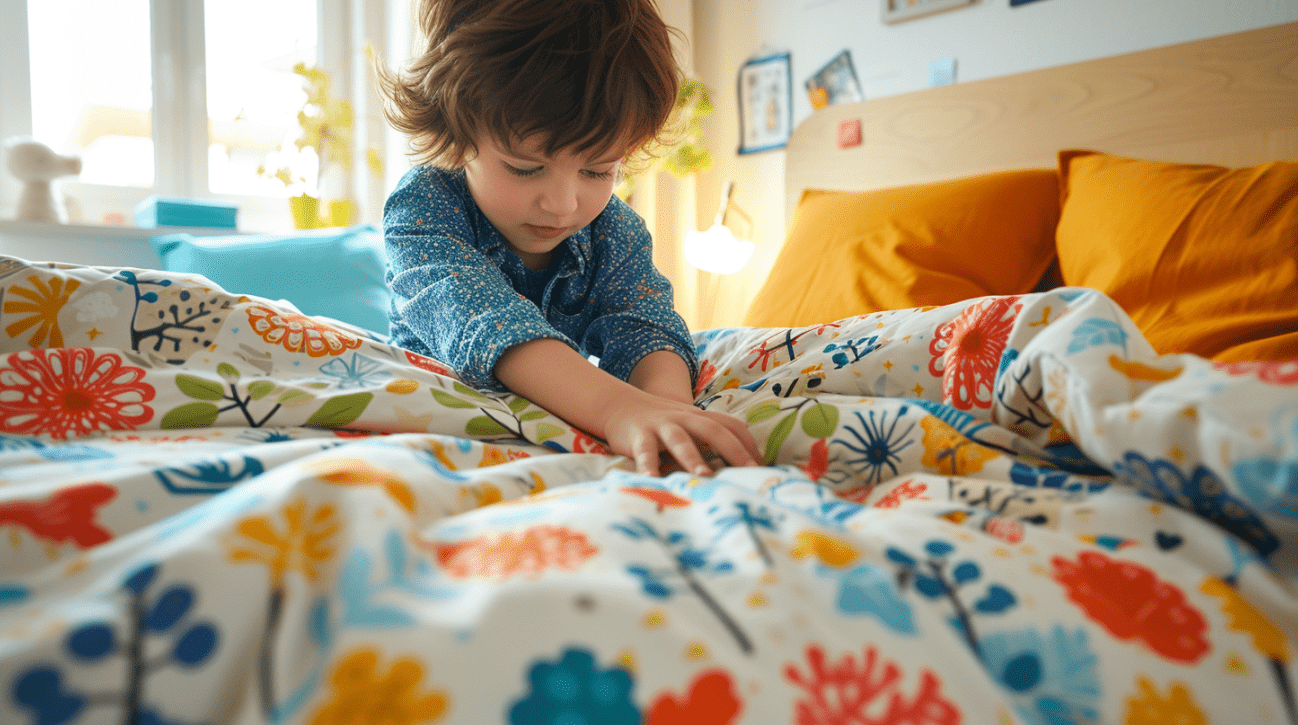
- Straighten the bed: Have your child pull up a lightweight blanket and arrange pillows. Don’t worry about perfectly tucked corners.
- Set part of the table: Let children put out napkins, placemats, or safe utensils. Adults should handle knives, hot dishes, and breakable items as needed.
- Sort toys: Encourage children to group toys into baskets by type, size, or color.
- Collect dirty laundry: Ask your child to place clothing in a hamper or gather a few lightweight items from their room.
- Help in the garden: Preschoolers can water plants, place seeds in prepared soil, or help gather lightweight gardening supplies under supervision.
Make it easier: Use specific instructions such as ‘Put the stuffed animals in this basket’ rather than a broad request to clean the bedroom. Praise the effort, even when you need to finish part of the task afterward.
Early Elementary: Chores for Ages 6–8
Children in early elementary school can often manage familiar chores with fewer reminders, although they still need instruction and occasional supervision. This is a good stage to introduce small daily responsibilities.
- Keep their room reasonably tidy: Put toys away, straighten bedding, and return books to their shelves.
- Help prepare meals: Wash vegetables, measure ingredients, assemble sandwiches, or mix cold ingredients with appropriate supervision.
- Empty small trash bins: Collect lightweight household waste from approved areas. Adults should handle broken glass, sharp objects, hazardous waste, and heavy garbage bags.
- Bring in mail or newspapers: Collect them from a safe location with permission and appropriate supervision. Don’t send children across busy roads or to unfamiliar areas alone.
- Help vacuum: Use a lightweight vacuum on a small, clear area after learning how to operate it safely.
Make it easier: Create a short checklist of daily and weekly chores. Children can mark tasks complete, helping them keep track without needing repeated verbal reminders.
Older Elementary: Chores for Ages 9–11
By this age, many children are ready for responsibilities that require several steps. They can start learning how to complete routine household jobs rather than only helping with individual parts.
- Sort and fold laundry: Separate clothes according to your family’s laundry routine, fold clean items, and put them in the correct drawers.
- Load and unload the dishwasher: Place suitable dishes in the machine and put away clean items. Adults should handle sharp knives, delicate glassware, and any equipment requiring special care.
- Help care for pets: Measure pet food according to an adult’s instructions, refill water bowls, and assist with gentle grooming when the animal is comfortable. Adults remain responsible for the animal’s welfare and safety.
- Wipe bathroom counters and sinks: Use a suitable cloth and an age-appropriate cleaning method. Adults should handle disinfectants, bleach, and other potentially hazardous cleaning products.
- Help with grocery planning: Check pantry supplies, add needed foods to the shopping list, compare unit prices, or help find items while shopping with an adult.
Make it easier: Show your child how to do a complete task, such as sorting and folding one load of laundry. After practicing together, gradually let them complete more steps independently.
Middle Schoolers: Chores for Ages 12–14
Middle schoolers can often take greater responsibility for their belongings and contribute more regularly to shared household work. This is a useful time to teach planning, safe equipment use, and how to recognize when a task requires adult help.
- Prepare simple meals: Make basic breakfasts or lunches and learn to follow straightforward recipes. Supervise unfamiliar equipment, knives, and hot cooking surfaces until the child demonstrates safe handling.
- Manage their laundry: Sort, wash, dry, fold, and put away clothing after learning the machine settings and fabric-care instructions.
- Help with yard care: Rake leaves, water plants, and complete other manageable outdoor tasks. Lawn mowing requires separate consideration of age, maturity, training, and equipment safety.
- Handle more involved cleaning: Clean appropriate bathroom surfaces, vacuum larger rooms, or wash floors using safe methods. Adults should select cleaning products and handle hazardous chemicals.
- Organize closets and storage: Sort clothing, arrange shelves, and identify items that can be donated or recycled. Heavy boxes and high shelves should remain adult responsibilities.
Important lawn mower guidance: The American Academy of Pediatrics recommends a minimum age of 12 for operating a walk-behind power mower and 16 for a riding mower. Even when children meet these ages, they need sufficient maturity, strength, coordination, training, and supervision. Parents should manage repairs and other hazardous maintenance tasks.
Make it easier: Agree on what a completed chore looks like. For example, doing the laundry might include washing, drying, folding, and putting clothes away rather than simply transferring them between machines.
Teenagers: Chores for Ages 15 and Up
Teenagers can practice many of the skills they’ll need as adults. Household responsibilities can become more independent, but supervision and training still matter for hazardous tools, cooking equipment, driving, childcare, and home repairs.
- Plan and cook a family meal: Choose a recipe, check ingredients, prepare the meal, and help clean up afterward. Build toward independent cooking as skills and safety awareness develop.
- Take on more advanced yard work: Manage routine gardening, raking, and other suitable maintenance. Powered equipment and potentially dangerous tools require separate safety training, appropriate protective gear, and compliance with manufacturer guidance.
- Assist with basic home maintenance: Learn simple tasks such as replacing batteries in appropriate devices, assembling basic household items, or identifying maintenance concerns. Electrical repairs, roof work, ladders, plumbing hazards, and structural repairs should remain with qualified adults or professionals.
- Manage part of a household budget: Help plan a grocery budget, compare prices, track an expense category, or calculate the cost of a family meal.
- Help care for younger siblings: Assist with games, homework, and age-appropriate supervision. Independent babysitting should depend on maturity, training, local rules, and the needs of the children being cared for.
Make it easier: Give teenagers some choice in which responsibilities they take on and when they complete them. Agree on deadlines and expectations, then allow appropriate independence rather than managing every step.
Chore Rewards and Incentives by Age
Rewards can encourage children who are learning a new routine, but they don’t have to involve money or buying toys. Attention, recognition, choices, and additional privileges may be just as appealing, depending on the child’s age and interests.
It’s also reasonable for children to have some everyday family responsibilities without receiving a separate reward for every task. Some families prefer giving an allowance independently of chores, while others pay for extra jobs beyond ordinary expectations. Either approach can work when parents explain the rules clearly and apply them consistently.
Toddlers and Preschoolers: Under Age 5
Young children often respond well to immediate encouragement. Try a sticker chart, choosing an extra bedtime story, singing a favorite song together, or enjoying a special parent-child activity after completing a small task.
Keep rewards simple and connected to effort. For example, after a preschooler helps put away toys, they might choose the next book to read together. Avoid withholding ordinary meals, snacks, affection, or other basic needs as consequences for unfinished chores.
Early Elementary: Ages 6–8
At this age, children may enjoy earning points toward choosing the family movie, selecting a weekend game, or planning a simple activity with a parent. A visual chart can help them understand which responsibilities they’ve completed.
Small occasional prizes are another option, but don’t feel obligated to purchase something every time a chore is done. A family movie night or extra time playing together may be more practical.
Older Elementary: Ages 9–11
Older elementary children can understand rewards that require consistent effort over several days or weeks. They might work toward choosing a family outing, earning a modest contribution toward a desired item, or receiving a prearranged recreational privilege.
If you use points, keep the system manageable. For instance, you could agree that completing an assigned weekly chore earns one point toward a chosen family activity. The exact requirements should be clear before the child starts.
Middle Schoolers: Ages 12–14
Preteens often appreciate having more say over how they use their free time. Rewards might include choosing a weekend activity, planning a sleepover with parental approval, taking greater responsibility for their schedule, or receiving an allowance under a family agreement.
At this age, involve your child in deciding which incentives are meaningful. Greater independence should be based on demonstrated readiness and family rules, not simply awarded because a certain number of chores was completed.
Teenagers: Ages 15 and Up
Older teens may value additional independence, more control over their personal spending, or financial help toward an agreed goal such as driving lessons. Some families also allow teenagers to earn money from optional extra work around the house.
Keep safety-related boundaries separate from chore rewards. Curfews, driving privileges, and other responsibilities should reflect maturity, applicable laws, and family circumstances rather than functioning as automatic prizes.
How to Make Chores Easier for Kids to Stick With
Even an age-appropriate chore can become frustrating when expectations are unclear or a child is asked to do too much at once. A predictable routine and a little flexibility usually work better than introducing a long list of responsibilities overnight.
- Start small. Introduce one new responsibility at a time. Once your child can manage it, add another if appropriate.
- Demonstrate the task. Show your child what to do, complete it together, and then let them practice. A request to clean the bathroom isn’t very useful if they’ve never been shown which surfaces to clean or how.
- Be specific. Instead of saying ‘Clean your room,’ try ‘Put your books on the shelf and place dirty clothes in the hamper.’
- Use a simple routine. Some chores fit naturally after meals, before bedtime, or on a particular day of the week.
- Make responsibilities visible. Use a picture chart for young children or a written checklist for older kids. Keep the list short enough to be practical.
- Offer appropriate choices. Let children choose between two suitable chores or decide whether to complete a weekly task before or after another planned activity.
- Recognize effort and improvement. Notice when a child remembers a responsibility independently or learns a new skill, rather than focusing only on whether the result looks perfect.
- Review the workload. Adjust chores during busy school periods, illness, or major family changes. Responsibilities should remain manageable alongside homework, activities, rest, and play.
For example, a seven-year-old might be responsible for putting dirty clothes in the hamper each evening and setting out napkins for dinner. A 12-year-old might manage their own laundry on Saturdays and help cook one family meal each week. Those assignments can change as the children become more capable or family schedules change.
If a child regularly struggles with a particular chore, find out what is making it difficult. They may need the task broken into smaller steps, different tools, more practice, or a reminder at a better time of day. Children with disabilities or additional support needs may benefit from adapted tasks, accessible equipment, and individualized expectations.
Should Kids Be Paid for Household Chores?
Whether to connect chores with an allowance is a family decision. There isn’t one payment system that works for every household, and children can learn responsibility and money management through different approaches.
One option is to treat basic responsibilities, such as putting away personal belongings and helping clear the table, as part of contributing to family life. Parents can then offer payment for occasional extra jobs, such as helping organize a storage area or completing a larger approved project.
Another approach is to provide a regular allowance that children can use to practice budgeting, while keeping household responsibilities separate. Families who prefer chore-based earnings can also agree on payment for specific tasks.
Whatever system you choose, explain it in advance. Children should understand which chores are expected, which extra jobs may earn money, and what happens if a responsibility is forgotten or incomplete.
For a simple money-management lesson, help children divide an allowance or earned payment into spending and saving categories. They can choose a savings goal and track their progress in a notebook, envelope system, or basic spreadsheet.
Household chores are most useful when they’re realistic, clearly explained, and suited to the child’s developing abilities. A toddler putting toys away with help, a school-age child learning laundry routines, and a teenager preparing dinner are all practicing skills they can build on over time.

Related Posts:
 Age appropriate jobs for your little pet lovers
 Refresh Your Teen's Space with Simplicity's Simply…
 Grocery shoppers with lists spend far less on impulse buys
 Free Daily Housekeeping Reminders Worksheet:…
 Toddler Travel: Mastering In-Flight Meals and Snacks
 Positive Affirmations for Teen Girls: 28 Days of…
 Introducing your kids to your new boyfriend's kids
- Make a dog sweater from an old toddler sweater