Is Your Slow Cooker Safe? How to Check Its Heating Performance

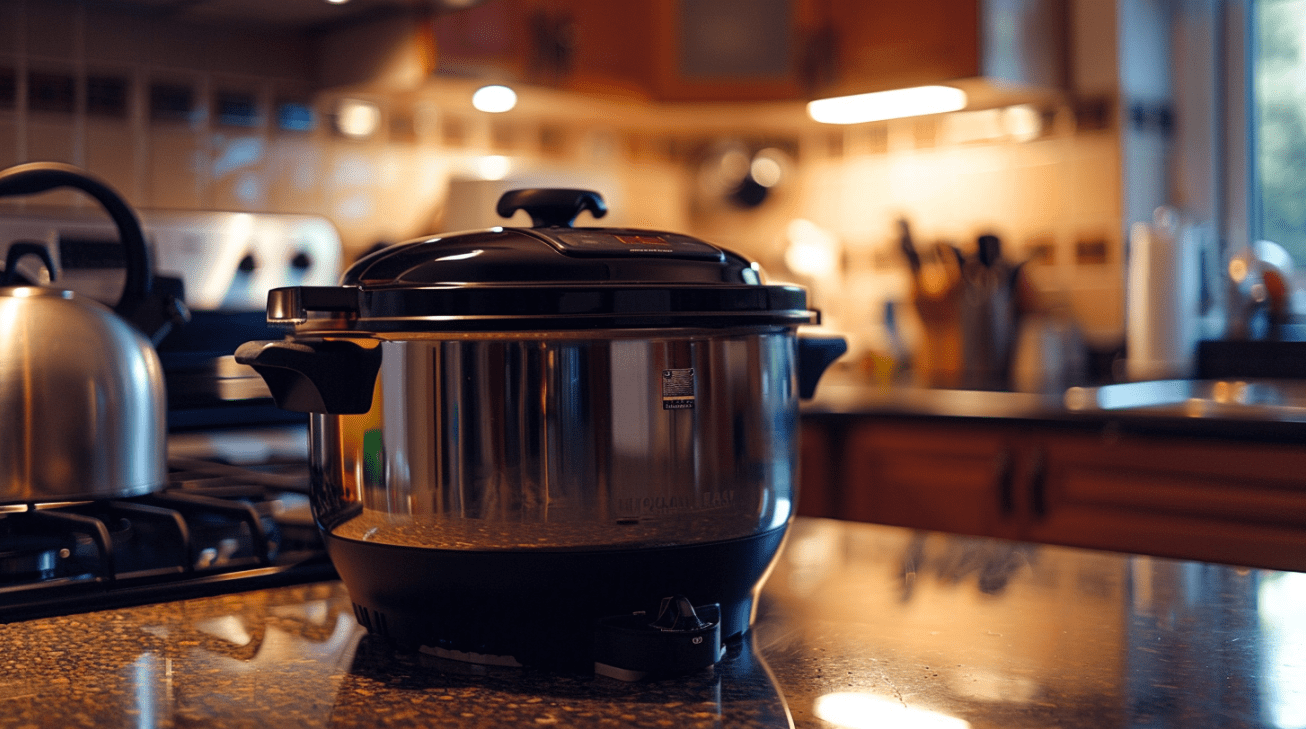
A slow cooker can cook food safely when it’s working properly and used according to its instructions. If you have an older cooker, a secondhand find, or one that seems to cook more slowly than usual, a simple water test can help you check its heating performance.
The test involves heating water on low for eight hours and measuring its temperature. It doesn’t certify the appliance’s electrical safety or guarantee that every meal will be safe—you still need to handle ingredients properly and check the food itself before serving.
Check the cooker before turning it on
With the appliance unplugged and cool, look for a damaged cord or plug, cracks in the cooking insert or lid, and broken or loose controls. Don’t use a damaged cooker for a test batch of food. Contact the manufacturer about approved replacement parts or replace the appliance as appropriate.
For a secondhand cooker, find the model number and look up its instruction manual. Check the manufacturer’s recall information; in the United States, you can also search the Consumer Product Safety Commission’s recall database. Match the model details, not just the brand name, and follow any recall instructions.
Use the cooker on a dry, stable surface with the clearance required by its manual. Keep towels and other items away from the appliance, and plug it directly into a wall outlet.
How to do the eight-hour water test
You’ll need tap water, an accurate food thermometer, and the cooker’s properly fitting lid. This heating check from Colorado State University Extension is intended to help assess an older slow cooker’s performance.
- Fill the cooking insert halfway to two-thirds full with tap water. Put the insert in its base and fit the lid.
- Set the cooker to low for eight hours. Leave the lid on throughout the test. Use low, not the warm setting.
- Measure the water temperature immediately. At the end of eight hours, carefully lift the lid away from your face and check the water with the thermometer. Follow the thermometer’s immersion instructions and keep its sensing tip away from the bottom and sides of the insert.
Have the thermometer ready before opening the lid so the water doesn’t cool while you look for it.
What the result means
Colorado State University Extension gives an expected water temperature of 185–200°F (85–93°C). It recommends replacing a cooker that measures below 185°F after this test. Don’t keep using an underperforming cooker for meals while assuming that extra cooking time will solve the problem.
If the reading is outside the expected range or doesn’t make sense, check that you followed the test correctly and consult the manufacturer. A higher reading isn’t a reason to shorten recipes on your own.
185°F is a performance-check temperature, not a universal food-safety target. Water and a pot full of ingredients heat differently. Passing this check doesn’t establish how quickly every part of a meal will heat or confirm that its center is cooked.
Check the food’s temperature, too
Use a food thermometer in the thickest part of the meat, avoiding bone. For dishes with several pieces, check more than one piece. Don’t rely on the cooking liquid bubbling or the outside of the meat looking done.
These minimum internal temperatures from FoodSafety.gov apply to common slow-cooker ingredients:
| Food | Minimum internal temperature |
|---|---|
| Chicken, turkey, and other poultry, including ground poultry | 165°F (74°C) |
| Ground beef, pork, lamb, or veal | 160°F (71°C) |
| Whole cuts of beef, pork, lamb, or veal, such as roasts | 145°F (63°C), followed by a three-minute rest |
| Casseroles and reheated leftovers | 165°F (74°C) |
These are minimum safety temperatures, not necessarily the point at which a tough roast will be tender. Follow a suitable slow-cooker recipe for the cut, quantity, and cooking time as well.
Habits that help meals cook safely
The USDA’s slow-cooker guidance emphasizes proper preparation and continuous cooking:
- Thaw meat and poultry first. Don’t start with frozen meat. For a commercially prepared frozen slow-cooker meal, follow its package instructions.
- Keep perishable ingredients refrigerated until you’re ready to cook. Don’t load raw ingredients and leave the cooker switched off for a delayed start.
- Match the recipe to the cooker. Follow the manual’s guidance on capacity, the size of meat cuts, and liquid amounts. An oversized roast or an overfilled pot can change how a recipe cooks.
- Keep the lid in place. Open it only when needed to stir or check doneness.
Use low or high as directed by the recipe. University of Minnesota Extension advises against cooking on the warm setting: warm is intended to hold food that’s already cooked. For hot holding, check that the food stays at least 140°F (60°C).
If the power goes out
If you return home and discover that the power went out while your meal was cooking, discard the food, even if it looks done. You may not know how long heating stopped.
If you’re home when the outage begins and the food isn’t finished, move it immediately to another working heat source to finish cooking. If the meal was fully cooked before the outage, USDA says it should remain safe for up to two hours in the cooker without power. See its slow-cooker power-outage guidance for these situations.
After dinner and before the next use
Transfer leftovers to shallow containers and refrigerate within two hours after cooking finishes. Don’t leave the whole pot on the counter to cool. Reheat leftovers on the stove, in the microwave, or in the oven to 165°F (74°C), rather than using the slow cooker to heat them from cold.
Clean the appliance according to its manual and inspect it before each use. If meals begin taking noticeably longer or the cooker cuts out unexpectedly, stop relying on it until the problem is resolved. A water test can help identify poor heating, but it can’t rule out an intermittent fault or replace a manufacturer’s safety advice.
Related Posts:
 How to Braise Red Cabbage Ahead for Christmas Dinner…
 Power Outages with Your Slow Cooker: Is It Safe?
 Is it Safe to Put Raw Meat Into Your Slow Cooker?
- Is it Safe to Leave the Slow Cooker on Overnight?
- How to check your freezer's seal?
 Check your email for in-store coupons while shopping
 Unlocking Deals through Social Media Check-Ins: A…
 How to Check if Clothing Colors Will Bleed in the Laundry