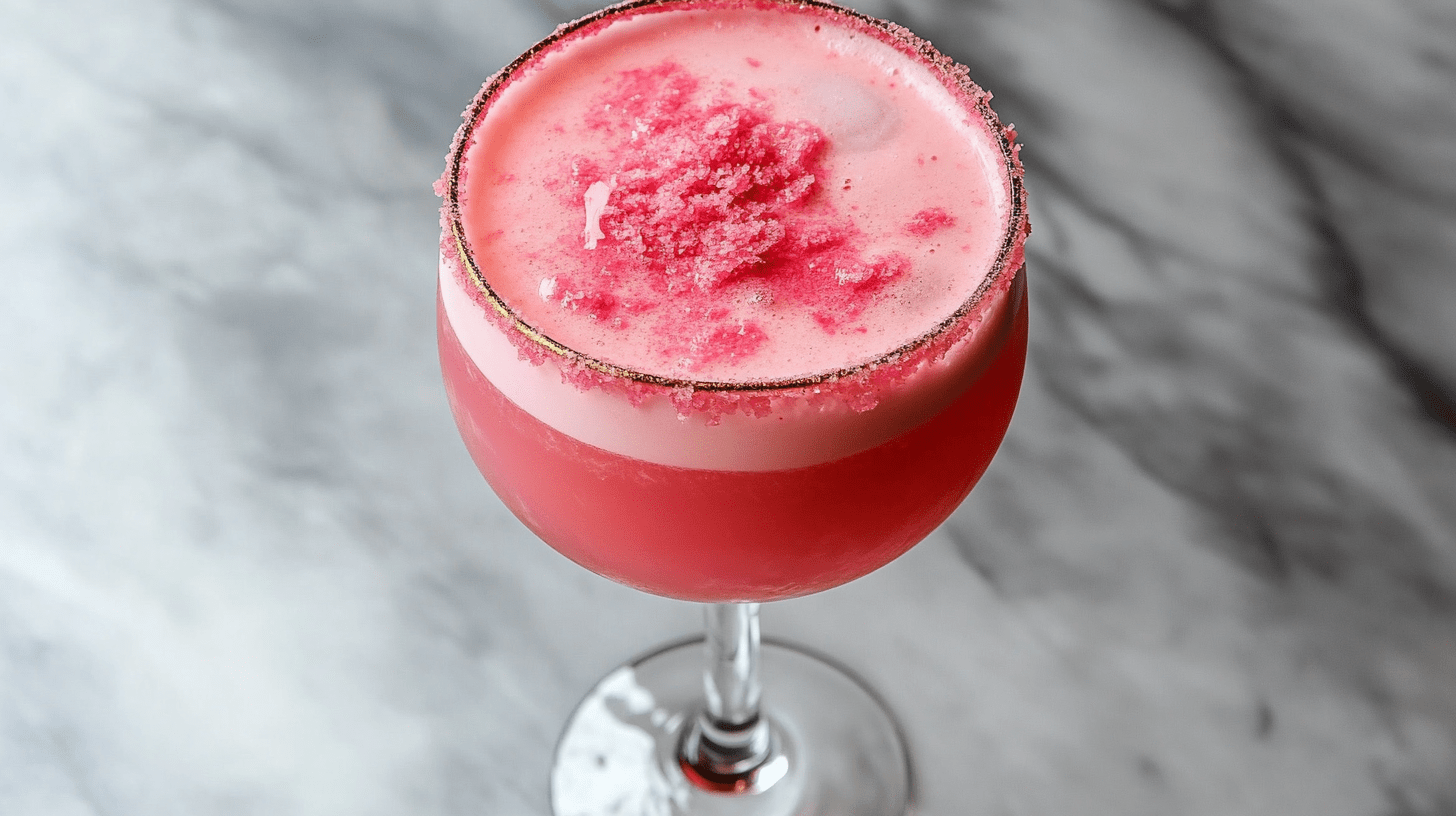
Make Your Own Pomegranate & Lavender Infused Gin Recipe
Pomegranate and lavender bring fruit and floral notes to gin, making this infusion a useful starting point for gin and tonics or lemon-based cocktails. The key is controlling the lavender: keep it in a removable tea filter so you can take it out when the floral flavor is strong enough while the pomegranate continues steeping.
Allow about 3–5 days in the refrigerator, checking the flavor daily. This is an unsweetened infusion, so add syrup or other sweeteners when mixing individual drinks.
Ingredients
- 2 cups gin
- 1/2 cup fresh pomegranate arils—the juicy red pieces commonly called seeds
- 1 teaspoon dried culinary lavender flowers
Choose an unflavored gin you enjoy in cocktails. A straightforward dry gin gives you a useful base; a heavily floral gin may make the lavender harder to balance.
Buy lavender specifically labeled for culinary use, preferably Lavandula angustifolia. Illinois Extension identifies this lavender as an edible flower to use sparingly in beverages. Don’t substitute decorative lavender, potpourri, or lavender essential oil.
How to make the infusion
- Prepare your equipment. Use a glass jar with a tight-fitting lid and enough room for the gin and fruit. Wash utensils thoroughly. For containers, NC State’s infusion guidance recommends washing and boiling for 10 minutes. Use a heat-safe jar suitable for boiling, and let it cool before filling.
- Prepare the pomegranate. If starting with a whole fruit, rinse its exterior under running water before cutting. Remove the arils and pick out any white membrane. Discard damaged or moldy pieces. For packaged arils, follow the label’s washing and storage instructions.
- Combine the ingredients. Place the arils in the jar. Put the lavender in a food-safe disposable tea filter or fine-mesh infuser and add it to the jar. Pour in the gin, close the lid, and label the jar with the ingredients and date.
- Refrigerate and check daily. Gently swirl the sealed jar each day. Pour out a small sample to check the flavor; don’t return the sample to the jar. Remove the lavender filter as soon as the floral note suits you. Let the pomegranate continue infusing if you want more fruit flavor, using 3–5 days as a guide rather than a required waiting period.
- Strain and bottle. Strain through a fine-mesh strainer and discard the solids. Avoid pressing the arils if you prefer less pulp. Pass the liquid through a paper coffee filter if needed, then transfer it to a prepared bottle, cap, label, and refrigerate.
If the lavender dominates, try blending a small sample with plain gin before adjusting the entire batch. Adding sweetener may soften the overall taste, but it won’t remove an overpowering floral flavor.
Ways to use pomegranate and lavender gin
Use the infusion in place of the same amount of plain gin in your favorite gin and tonic. Start with an unflavored tonic so you can judge the fruit and lavender without another strong flavor competing.
It also works as a variation in a Tom Collins or another gin cocktail with lemon juice and simple syrup. Keep your usual recipe proportions for the first drink, then adjust the sweetness to taste. For a more pronounced pomegranate flavor, add a splash of pomegranate juice to the finished cocktail rather than to the storage bottle.
Keeping the infusion refrigerated
Keep the gin refrigerated during steeping and after straining, tightly capped and out of children’s reach. This fresh-fruit infusion should not be treated as a shelf-stable bottle of plain gin.
NC State food safety specialists explain that alcohol does not automatically eliminate pathogens in homemade infusions. Safety depends on the ingredients, alcohol concentration, and exposure time. The 3–5 day steep is a flavor guideline, not a validated preservation process, and tasting cannot establish safety. For advice on a storage limit for this particular mixture, contact a local extension food safety specialist.
Related Posts:
 Make Your Own Pomegranate & Ginger Infused Gin Recipe
- Make Your Own Pomegranate & Cardamom Infused Gin
- Pomegranate & Rosemary Infused Gin Recipe
- Pomegranate & Star Anise Infused Gin Recipe
- Make Your Own Pomegranate & Clove Infused Rum Recipe
- Make Your Own Pomegranate & Cocoa Infused Whiskey Recipe
- Make Your Own Pomegranate & Hibiscus Infused Vodka Recipe
- Make Your Own Pomegranate & Mint Infused Rum Recipe