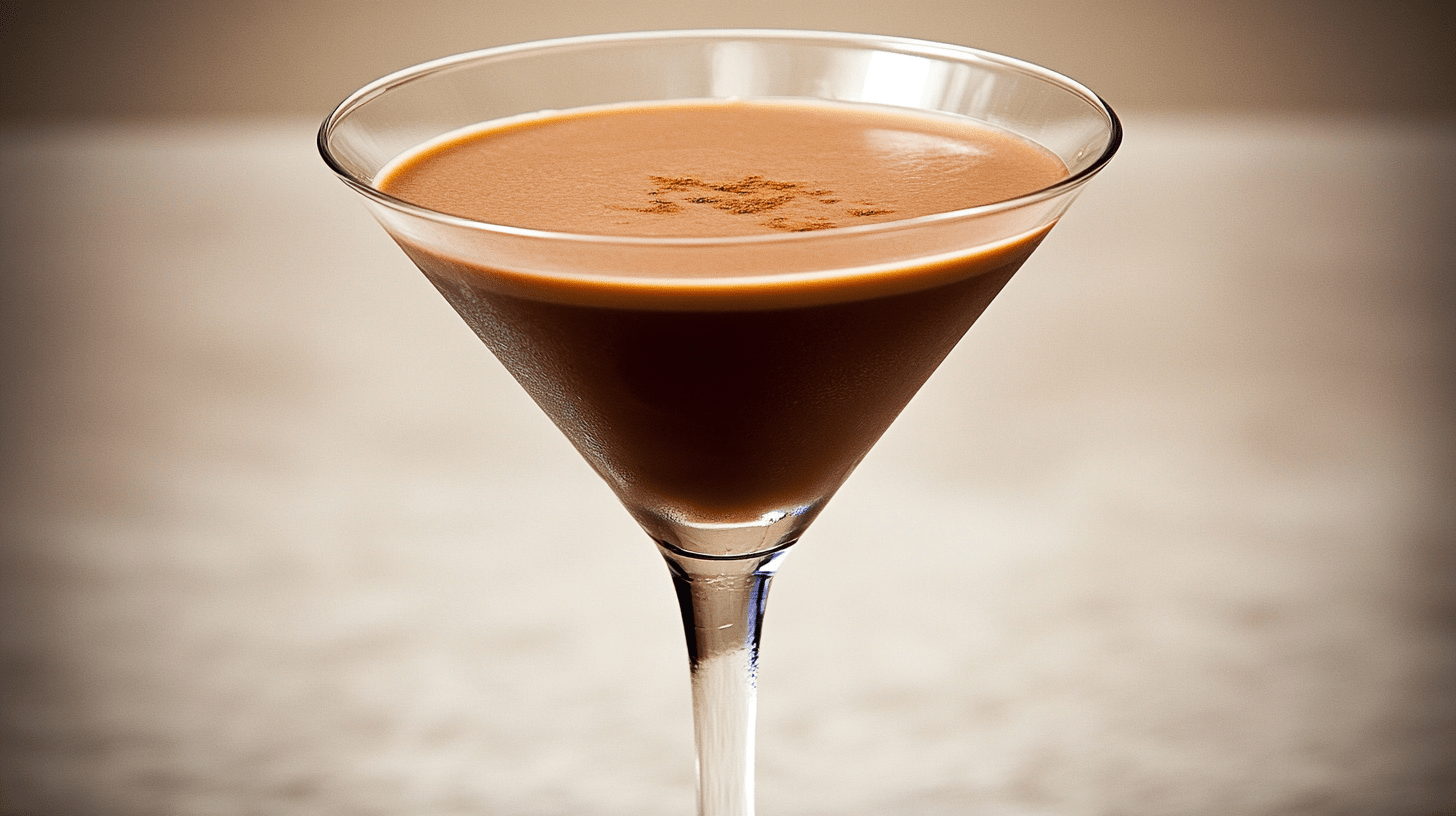
Make Your Own Pineapple & Coconut Infused Tequila Recipe
Pineapple and unsweetened coconut give tequila a tropical flavor for margaritas and simple mixed drinks. This recipe uses three ingredients and a refrigerated infusion, followed by careful straining to remove the fruit and coconut shreds. Expect a flavored spirit, not the thick, creamy texture of a piña colada.
Ingredients
- 2 cups tequila
- 1 cup fresh pineapple chunks
- 1/2 cup unsweetened shredded coconut
Blanco tequila is a straightforward choice when you want the pineapple and coconut to stand out. Use plain, dried, unsweetened shredded coconut from the baking aisle. Coconut milk, coconut cream, and sweetened cream of coconut aren’t interchangeable with shredded coconut in this recipe.
What you’ll need
- A clean quart-size glass jar with a tight-fitting lid
- A clean knife and cutting board
- A fine-mesh strainer
- A paper coffee filter or food-grade cheesecloth for finer filtering
- A clean glass bottle or jar for the strained tequila
How to make pineapple and coconut infused tequila
- Prepare the pineapple. Wash your hands and equipment. Rinse the whole pineapple under running water before peeling and cutting it, then remove the rind and tough core. Cut the flesh into small chunks and measure 1 cup. The FDA recommends washing produce before cutting, even when you won’t eat the peel; don’t use soap or detergent on the fruit.
- Combine the ingredients. Put the pineapple and coconut in the jar, pour in the tequila, and stir with a clean spoon to wet the coconut. Close the lid securely and label the jar with the ingredients and preparation date.
- Refrigerate while the flavors infuse. Keep the jar at 40°F (4°C) or below and gently shake it once a day. Allow roughly 5–7 days for flavor development, checking a small sample with a clean utensil and straining sooner if the flavor is strong enough. This is a flavor guideline, not a validated food-safety holding time.
- Strain out the solids. Pour through a fine-mesh strainer into a clean container. Discard the pineapple and coconut. For fewer fine particles, filter the liquid again through a paper coffee filter or food-grade cheesecloth. Let it drain without forcing the pulp through.
- Bottle and refrigerate. Transfer the strained tequila to a clean, tightly covered glass bottle or jar. Keep the original preparation date on the label and add the straining date. Refrigerate after straining as well as during infusion.
The amount recovered will vary because the pineapple releases juice and the solids retain some liquid. Don’t add water to bring the finished infusion back to a particular volume.
Storage and food safety
Don’t assume that tequila makes fresh fruit safe indefinitely. N.C. Cooperative Extension advises refrigerating or freezing infused alcohol and notes that produce can introduce bacteria that alcohol may not kill. This pineapple-and-coconut combination has no established refrigerated shelf life, so make it for near-term use rather than long-term storage or a shelf-stable gift.
Straining removes solids; it doesn’t sterilize the drink or reset its storage time. Discard an infusion with mold, unexpected bubbling, or an off odor without tasting it. A normal appearance or smell doesn’t establish safety.
Ways to serve it
Use the strained infusion in place of plain tequila in your favorite margarita recipe. Lime adds a tart contrast to the pineapple and coconut. Add sweetener gradually when mixing the drink, since the fruit’s sweetness will vary.
For a simpler drink, serve a measured pour over ice with sparkling water and a squeeze of lime. Add pineapple juice to the individual glass if you want a more fruit-forward drink, rather than adding it to the stored batch.
If you’re making drinks for guests, identify both the alcohol and coconut ingredients. Keep the labeled infusion out of children’s reach.
Related Posts:
 Coconut Pineapple Infused Vodka Recipe
 Coconut & Lime Infused Tequila Recipe
- Pineapple & Jalapeño Infused Tequila Recipe
 Make Your Own Plum & Ginger Infused Tequila Recipe
 Make Your Own Passionfruit Infused Tequila Recipe
 Make Your Own Spicy Chili Infused Tequila Recipe
- Make Your Own Blackberry & Sage Infused Tequila Recipe
- Make Your Own Peach & Jalapeño Infused Tequila Recipe