Make Your Own Household Cleaners: Simple Methods and Practical Limits
Making your own household cleaners can be useful for everyday jobs, especially when you already have the ingredients. Start with one task: wiping a washable counter, removing grime from an approved surface or cleaning ordinary window glass. You don’t need a cupboard full of homemade sprays.
The right choice depends on the dirt, the surface and whether you need to clean or disinfect. Homemade doesn’t automatically mean safer, cheaper or suitable for every material.
Start with Soap, Water and a Clean Cloth
For many washable hard surfaces, soap or detergent and water are enough for routine cleaning. The CDC recommends regular cleaning with a product appropriate for the surface; disinfecting is a separate step when needed.
- Check the surface manufacturer’s care instructions.
- If mild dishwashing liquid is permitted, dilute it in water according to the product’s cleaning directions.
- Use a soft cloth to wipe away dirt. Keep the cloth damp rather than soaking wet around seams and edges.
- Remove detergent residue with a clean, damp cloth where appropriate, then dry the surface.
Mix what you need for that cleaning session. Don’t pour ordinary dishwashing liquid into a dishwasher or substitute it for washing-machine detergent.
Two Simple Homemade Cleaning Options
Baking Soda Paste for Suitable Scrubbable Surfaces
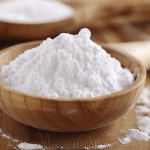
A paste gives you more control than scattering powder over a large area. Start with a small amount of baking soda in a bowl and add water gradually until it is spreadable. Apply with a soft cloth, rub gently, then remove the residue thoroughly.
Baking soda is abrasive, so use it only where the manufacturer permits a mild abrasive cleaner. It isn’t a universal choice for polished stone, glossy finishes, coated appliances or delicate surfaces. Test an inconspicuous spot and let it dry before continuing.
For specific projects, see our baking soda and water grout-cleaning recipe and baking soda oven-cleaning guide. Check the grout, tile or oven instructions first, use the basic baking-soda-and-water method, and skip optional ingredient additions. Don’t put paste on oven heating elements, vents or door seals.
A Small Batch of Window Cleaner
For ordinary uncoated window glass that permits vinegar cleaning, University of Georgia Extension gives this recipe:
- 1 quart warm water
- 1/4 cup white vinegar
- 1 tablespoon cornstarch
Mix well in a clean container, keeping the cornstarch dispersed as you work. Apply sparingly to the glass and wipe clean with a lint-free cloth. Make it for the current cleaning session rather than storing a large batch.
Keep the solution off nearby stone and finishes that don’t tolerate acids. Don’t use this recipe on electronic screens or assume it is suitable for coated glass.
Match the Cleaner to the Material
Check more than the room name when choosing a cleaner. A bathroom might contain ceramic tile, natural stone, acrylic, painted wood and plated fixtures, each with different care requirements.
- Natural stone: Avoid vinegar and lemon-based recipes on marble, limestone and other acid-sensitive stone. The Natural Stone Institute warns that acids can etch these surfaces and abrasives can scratch certain stones.
- Appliances: Follow the manual for the finish and interior. A homemade scrub isn’t automatically suitable for fingerprint-resistant stainless steel or a self-cleaning oven.
- Fabric: Check the care label and test treatments on a hidden area. Our homemade spray starch recipe is an ironing aid for suitable fabrics, not a detergent or stain remover. Make a small fresh batch and follow the fabric’s ironing instructions.
- Persistent odors: Find and clean the source before adding fragrance. A room spray doesn’t remove a spill, dampness or dirty fabric.
When You Need Disinfection
Don’t rely on a homemade vinegar, essential-oil or scented cleaner to disinfect. A pleasant smell doesn’t establish germ-killing performance.
When disinfection is needed, such as when someone in the household is sick, clean first and use a suitable disinfectant according to its label. In the United States, look for an EPA-registered product. Follow its dilution instructions and keep the surface wet for the full labeled contact time. Don’t dilute ready-to-use products or turn a cleaner into wipes using an improvised ratio.
Hand hygiene is a different job. Use soap and water; when those aren’t available, choose a commercially prepared hand sanitizer containing at least 60% alcohol, as described in the FDA’s hand-sanitizer guidance. Household surface cleaners do not belong on skin.
Mix and Store Cleaners Carefully
Never mix bleach with vinegar, ammonia or other cleaning products. Health Canada warns that these combinations can release toxic gases. Don’t add another cleaner to a toilet, sink or bucket that already contains a product.
Use only combinations supported by reliable instructions and compatible ingredient labels. More ingredients don’t necessarily make a cleaner work better. Follow ventilation and protective-equipment directions, and keep all supplies out of children’s and pets’ reach.
Keep purchased chemicals in their original containers. For a permitted homemade mixture, use a clean, dedicated container suitable for its ingredients, label the contents and date, and never use a beverage bottle. Don’t assume a water-based homemade cleaner will remain suitable for months; make small quantities unless reliable instructions establish storage conditions and shelf life.
Check Whether DIY Actually Saves Money
Compare the cost of the amount you’ll use, not just the price of an ingredient container. For each ingredient, divide its package price by the package quantity, then multiply by the quantity used in the recipe. Add those amounts together, including any bottle or supplies you need to buy.
Compare that batch with the same usable quantity of a store-bought cleaner. A concentrate diluted according to its label may cost less than a homemade recipe with several specialty ingredients. Start with one small batch, see whether it cleans well without extra rinsing or rework, and buy larger quantities only when the method earns a regular place in your routine.
Related Posts:
 How Does Coupon Doubling Work? Examples, Limits, and…
 Buying Household Cleaners in Bulk: When It Saves Money
 Does Simple Syrup Need to Be Refrigerated? Tips for…
 Keeping Your Cooler Cool: A Fun and Practical Guide
 10 Practical Baking Soda Cleaning Uses—and When to Skip It
 What to Do with Leftover Diapers: 5 Practical Ways…
 Seasonal Capsule Wardrobe Challenge for Kids: A…
 Rhubarb Simple Syrup: A Sweet and Tart Delight for…