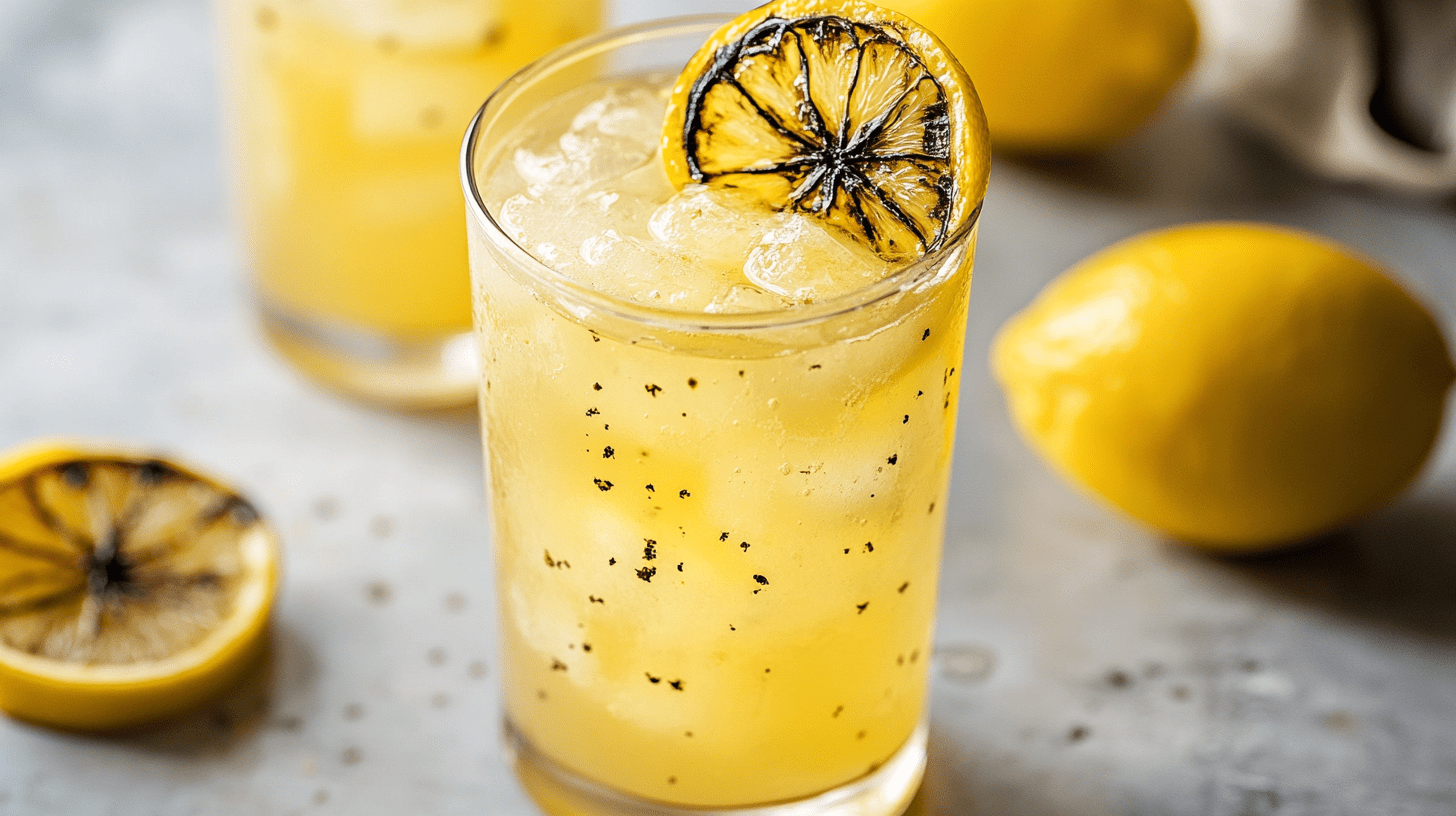
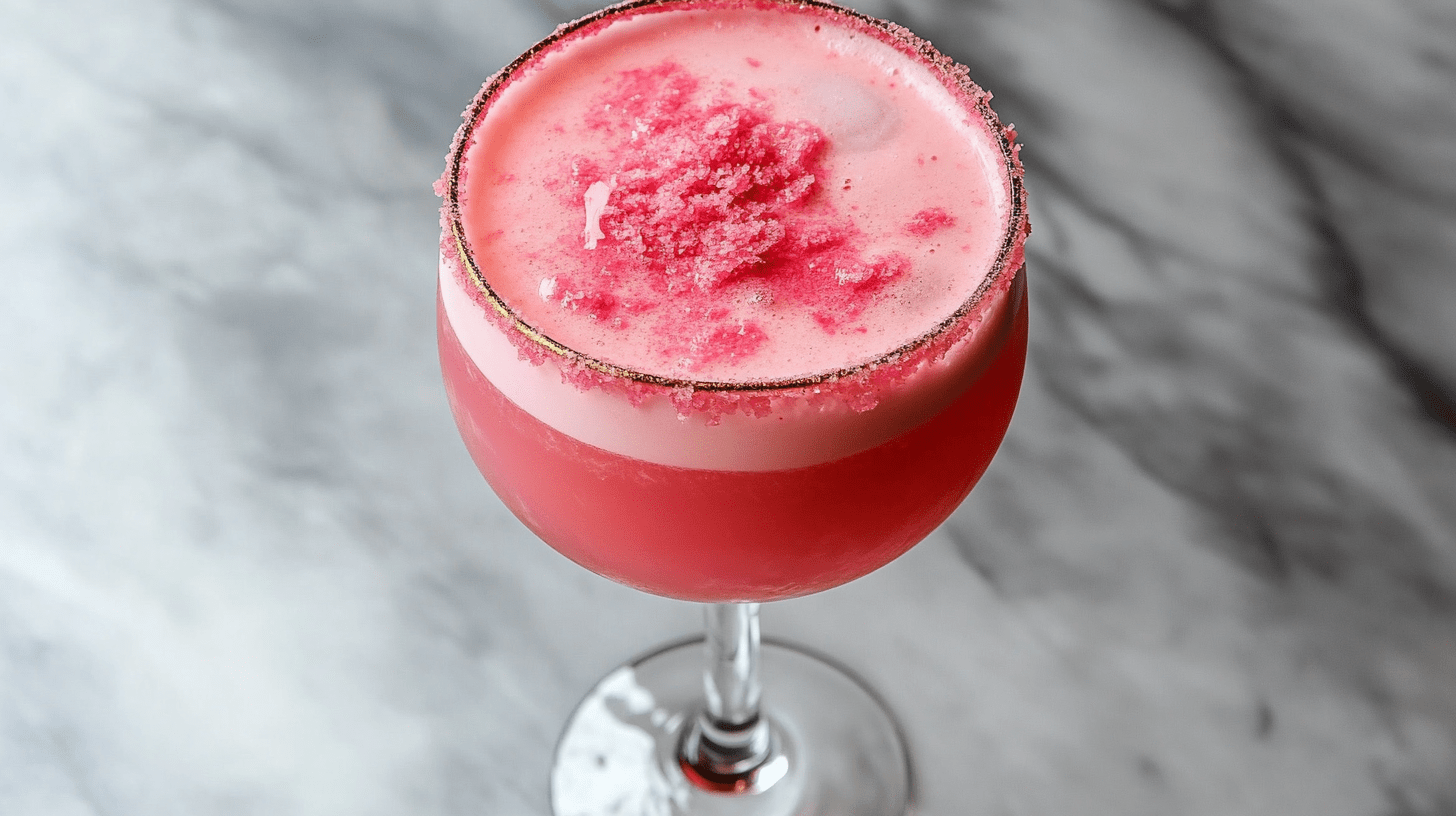
Make Your Own Cucumber & Cilantro Infused Tequila Recipe
Cucumber and cilantro give tequila a fresh, savory direction that works well in lime margaritas. This three-ingredient infusion steeps in the refrigerator, and you can remove the cilantro before the cucumber if the herbal flavor develops first.
Use an unflavored blanco tequila you already enjoy in mixed drinks. There’s no need to buy an expensive sipping bottle, but an infusion won’t hide a tequila flavor you dislike.
Ingredients
- 2 cups unflavored tequila, preferably blanco labeled 40% alcohol by volume (80 proof)
- 1/2 cucumber, thinly sliced
- 4 fresh cilantro sprigs
You’ll also need a heat-safe glass canning jar with a lid and enough space for the ingredients, a fine-mesh strainer, and a bottle for the finished infusion. Cucumber sizes and cilantro sprigs vary, so note what you use if you’d like to repeat the batch.
How to make cucumber and cilantro tequila
- Prepare the jar. Wash the jar, then boil the heat-safe jar for 10 minutes, following NC State’s container-preparation guidance for infusions. Prepare the lid according to its manufacturer’s instructions. Let the jar cool before adding the tequila.
- Wash the produce. Choose a firm cucumber and fresh cilantro without decay. Rinse both under running water, gently rubbing the cucumber and rinsing between the herb stems. Pat dry with clean paper towels. The FDA recommends running water rather than soap for washing produce.
- Slice and combine. Thinly slice half the cucumber. Place the slices and cilantro sprigs in the cooled jar, pour in the tequila and close the lid. Label the jar with the ingredients and preparation date.
- Refrigerate and check the flavor. Begin checking after the first day. Pour a small sample into a separate glass using clean utensils, and don’t return tasted liquid to the jar. Remove the cilantro with clean tongs when its flavor is strong enough for you. The cucumber can remain if you want more cucumber flavor.
- Strain when ready. Allow roughly 3–5 days as a flavor-development guide, but strain sooner if you like the balance. Pour through a fine-mesh strainer and discard the cucumber and cilantro. If you want less sediment, pass the liquid through a paper coffee filter without pressing the solids.
- Bottle and refrigerate. Transfer the infusion to a prepared, cooled bottle with a tight-fitting lid. Label it as alcoholic cucumber and cilantro tequila, include the preparation date, and keep refrigerated.
The steeping window is a flavor guide, not a food-safety treatment. More time won’t necessarily improve the taste, especially if the cilantro is already prominent.
Using it in a margarita
Replace the plain tequila in your usual margarita recipe with the strained infusion, then add the lime juice, orange liqueur and sweetener when mixing the drink. Keeping those ingredients separate lets you adjust each cocktail without diluting or sweetening the stored batch.
If the cilantro tastes too strong in the finished cocktail, use part infused tequila and part plain tequila next time. For a simpler drink, serve a measured portion over ice with club soda and a squeeze of lime. Garnish with a freshly washed cucumber slice rather than one removed from the infusion.
Refrigeration and storage
Keep this infusion refrigerated throughout steeping and after straining. Don’t store it on a bar cart as though it were an unopened bottle of tequila. Fresh cucumber adds water to the mixture, and the final alcohol concentration has not been measured.
NC State’s food-safety specialists explain that alcohol does not automatically eliminate pathogens in homemade infusions. The ingredients, alcohol concentration and exposure time all matter. Clean equipment and refrigeration are precautions, not a guarantee of safety.
There is no validated storage period for this exact cucumber-and-cilantro recipe. Make a small batch for a planned occasion rather than long-term storage; for a specific keeping time, ask your local extension food-safety service to assess the formula. Discard the infusion if you notice mold, unexpected bubbling or an off odor, and don’t taste a suspect batch. Normal appearance and smell alone cannot establish safety.
Related Posts:
 Cilantro Chill: Your Go-To Guide for Freezing Cilantro
 Make Your Own Cucumber & Mint Infused Vodka Recipe
 Zesty Lemon Cilantro Butter Freezer Recipe
 Make Your Own Plum & Ginger Infused Tequila Recipe
 Make Your Own Passionfruit Infused Tequila Recipe
 Make Your Own Spicy Chili Infused Tequila Recipe
- Make Your Own Pineapple & Coconut Infused Tequila Recipe
- Make Your Own Blackberry & Sage Infused Tequila Recipe