Make Your Own Blackberry & Sage Infused Tequila Recipe
Blackberries give tequila a fruity note, while fresh sage adds an earthy herbal accent. This small batch uses just three ingredients and makes a base for blackberry margaritas or a simple tequila-and-soda drink. Start checking the flavor early so you can remove the sage before it overwhelms the berries.
Ingredients
- 2 cups tequila, preferably an unflavored blanco tequila labeled 40% alcohol by volume (80 proof)
- 1/2 cup fresh blackberries
- 3 fresh culinary sage leaves
Choose a tequila you enjoy in cocktails; you don’t need a premium sipping bottle. Use culinary sage sold for cooking, not ornamental foliage or essential oil.
You’ll also need a heat-safe glass canning jar with a lid and enough room for the tequila and fruit, a fine-mesh strainer, and a clean bottle for the strained infusion.
How to make blackberry and sage tequila
- Prepare the container. Wash the jar, then boil the heat-safe jar for 10 minutes, following NC State’s container-preparation guidance for infusions. Prepare the lid according to its manufacturer’s instructions. Let the jar cool before adding tequila.
- Prepare the berries and sage. Discard moldy or damaged berries and wilted or damaged leaves. Rinse the remaining fruit and herbs gently under running water and pat dry with clean paper towels. The FDA recommends washing produce with running water rather than soap.
- Combine. Place the blackberries and sage in the cooled jar. Lightly press the berries with a clean spoon to split some of the skins without turning them into a puree. Pour in the tequila, close the lid and gently swirl. Label the jar with the ingredients and preparation date.
- Refrigerate and check the flavor. Use 3–5 days as an initial flavor-development window, checking from the first day. Pour a small sample into a separate glass with clean utensils; don’t return tasted liquid to the jar. Remove the sage with clean tongs as soon as the herbal flavor suits you, even if you leave the berries longer. Infusion time is a flavor guide, not a food-safety treatment.
- Strain. When you like the balance, pour through a fine-mesh strainer into a clean container and discard the fruit and leaves. For less sediment, strain again through a paper coffee filter. Let it drain without pressing the solids.
- Bottle and chill. Transfer to a prepared, cooled bottle with a tight-fitting lid. Label it as alcoholic blackberry and sage tequila, include the preparation date, and keep refrigerated.
Adjusting the flavor
If the sage becomes noticeable before the blackberry flavor develops, remove the leaves rather than waiting for the full infusion period. Leaf size and berry ripeness vary, so the same number of days won’t produce exactly the same result every time.
Keep sweetener out of the infusion and adjust sweetness when mixing each drink. That lets you make a tart margarita or a sweeter cocktail from the same batch. If the herbal flavor is stronger than you wanted, try using a smaller amount of infused tequila alongside plain tequila in your drink.
Ways to serve it
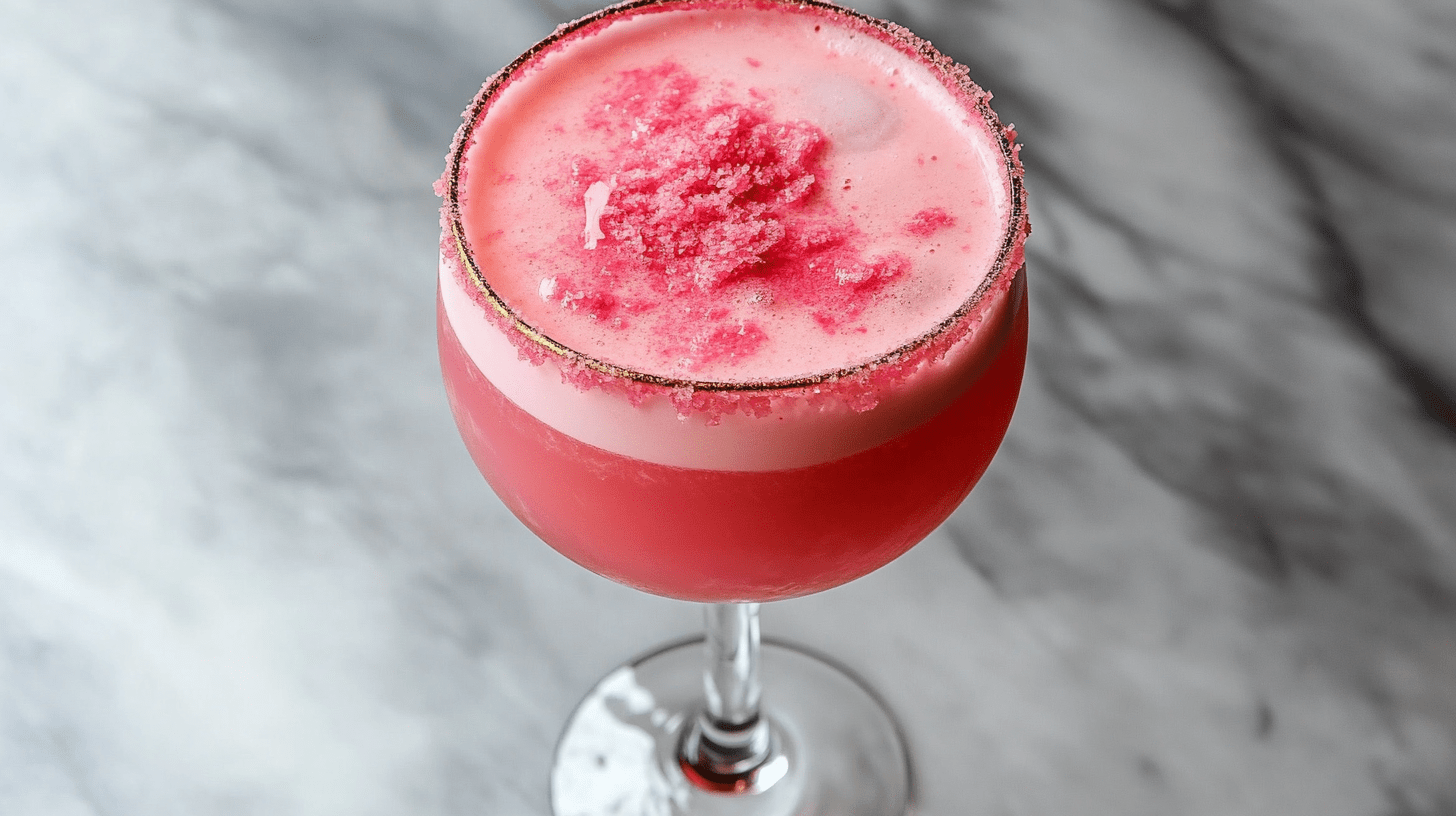
For a margarita, replace the plain tequila in your usual recipe with this infusion, keeping the lime juice, orange liqueur and sweetener separate until mixing. Taste the finished cocktail before adding more sweetener; blackberries contribute fruit flavor but don’t necessarily make the tequila sweet.
For a simpler option, pour a measured serving over ice, add club soda to taste and finish with a squeeze of lime. Use fresh blackberries as a garnish rather than the fruit removed from the infusion.
Storage and food safety
Keep the infusion refrigerated during steeping and after straining. Don’t treat it as a shelf-stable preserve or assume it will keep like an unopened bottle of tequila. Adding fresh ingredients changes the mixture, and its final alcohol content has not been measured.
NC State’s food-safety specialists caution that alcohol does not automatically eliminate pathogens in homemade infusions. Safety depends on the ingredients, alcohol concentration and exposure time. Refrigeration and clean equipment are precautions, not proof that a particular recipe has been validated.
No tested storage period is established for this blackberry-and-sage combination. Make a small batch for a planned occasion rather than for long-term storage, and ask your local extension food-safety service for recipe-specific advice if you intend to keep it longer. Discard it if mold, unexpected bubbling or an off odor develops; normal appearance and smell alone cannot establish safety.
Related Posts:
 Make Your Own Blackberry Infused Vodka Recipe
 Make Your Own Plum & Ginger Infused Tequila Recipe
 Make Your Own Passionfruit Infused Tequila Recipe
 Make Your Own Spicy Chili Infused Tequila Recipe
 Make Your Own Pineapple & Coconut Infused Tequila Recipe
- Make Your Own Peach & Jalapeño Infused Tequila Recipe
- Make Your Own Strawberry & Basil Infused Tequila Recipe
- Make Your Own Cucumber & Cilantro Infused Tequila Recipe