How to Keep a Diaper Pail from Smelling

The best way to prevent diaper pail odors is to empty the pail regularly, keep dirty diapers securely contained, and clean the bin whenever residue or smells build up. A well-fitting lid and a properly installed liner also help keep odors from spreading through the nursery. You don’t need strong fragrances or expensive deodorizing products to make a noticeable difference.
Even a diaper pail designed to trap smells can develop an unpleasant odor, particularly when it contains several dirty diapers or sits in a warm room. Sometimes the smell comes from the diapers themselves; other times, moisture or residue has collected under the lid, around the opening, or inside the bin.
Start with the basics before trying scented products or household odor remedies. A clean, dry pail with a secure liner is easier to maintain, and removing the source of the smell is generally more effective than trying to cover it with perfume.
Empty the Diaper Pail Regularly
Leaving dirty diapers in the pail for several days gives odors more time to accumulate. Empty the container before it becomes overfilled, and take out the bag sooner if you notice a strong smell.
How often you need to empty it depends on how many diapers your baby uses, whether they contain stool, the room temperature, and how effectively the pail seals. Some households may need to empty the pail daily, while others can manage a longer interval. Don’t rely on the bag being full as your only signal.
For particularly smelly diapers, close the diaper securely using its fastening tabs before placing it in the pail. If necessary, use a separate leak-resistant disposal bag that is appropriate for diaper waste. This can help contain a heavily soiled diaper, although individually wrapping every diaper creates additional waste and expense.
Keep disposal bags and spare liners out of your baby’s reach. Plastic bags can present a suffocation hazard, and a diaper pail should always remain securely closed when not in use.
Practical tip: Try emptying the pail at the same time you take out your regular household trash. If odors appear sooner, adjust your routine rather than waiting for the next scheduled trash day.
Clean the Pail and Its Lid
A new liner won’t eliminate smells if waste residue remains inside the pail. Check the bottom, lid, hinges, and the opening where diapers pass through. These areas can collect moisture or become soiled during diaper disposal.
For routine cleaning, follow the manufacturer’s care instructions. Many hard plastic diaper pails can be cleaned with mild dish soap and water, but removable components, odor-control cartridges, and mechanical parts may require different treatment.
- Empty the container. Remove the used liner and dispose of it according to your local waste requirements.
- Remove approved detachable parts. Follow the manufacturer’s instructions rather than forcing apart the lid or sealing mechanism.
- Wash accessible surfaces. Use mild dish soap, warm water, and a soft cloth or sponge to remove visible residue. Pay attention to the rim and underside of the lid.
- Rinse when appropriate. Remove cleaning residue according to the product instructions. Avoid soaking components that contain mechanical parts or electronics.
- Dry thoroughly. Allow the bin and removable parts to dry completely before installing a fresh liner and closing the lid.
Regular cleaning is usually enough for ordinary household maintenance. According to the CDC’s guidance on cleaning and disinfecting at home, cleaning with soap or detergent removes dirt and many germs, while additional disinfection is generally most important when someone is sick or at increased risk of illness.
Practical tip: If a freshly emptied pail still smells, check the underside of the lid and any rubber seals before adding a deodorizer. Cleaning a hidden area of residue may solve the problem.
Disinfect Safely When Needed
There may be times when a diaper pail needs more than routine washing, particularly after a leak or contamination. Use a disinfectant suitable for the pail’s material and follow both the disinfectant label and the manufacturer’s cleaning instructions.
Household bleach can disinfect certain hard surfaces when used correctly, but it should not be mixed casually or applied at an arbitrary strength. A strong bleach solution can create irritating fumes or damage materials.
The CDC provides instructions for safely cleaning and disinfecting with bleach, including correct dilution, ventilation, contact time, and precautions. Always follow the product label and confirm that bleach is compatible with your diaper pail. Never mix bleach with vinegar, ammonia, or other cleaning products.
Clean visible dirt and residue before disinfecting. Keep your baby and other children away from the cleaning area, use any protective equipment specified on the label, and allow the pail to dry and ventilate appropriately before returning it to the nursery.
There is no need to make strong bleach solutions part of a weekly routine simply to address an ordinary diaper smell. Removing waste and washing the container are better starting points.
Can Baking Soda Help with Diaper Pail Odors?
Baking soda is a common household deodorizing remedy, and some parents use it to help with diaper pail smells. It may help with certain odors, but it won’t replace emptying the pail or cleaning away waste residue.
If you want to try it, first check the pail manufacturer’s instructions. Loose powder inside a diaper pail may spill, create dust, or interfere with a sealing mechanism. It should never be placed where your baby can reach it or where it might contact diapering supplies.
If the manufacturer permits a compatible deodorizing accessory, follow the directions for that product. You can also skip the baking soda entirely and concentrate on keeping the pail clean, dry, and emptied regularly.
Budget tip: Don’t assume you need to keep purchasing deodorizing powders or refills. Give basic cleaning and more frequent emptying a chance before adding another ongoing expense.
Should You Use Dryer Sheets or Essential Oils in a Diaper Pail?
Placing scented fabric softener sheets beneath the liner or attaching essential-oil-soaked cotton pads inside the lid may seem like an easy way to hide diaper odors. However, masking a smell isn’t the same as removing its cause, and strong fragrances aren’t necessarily a good addition to a baby’s room.
Fabric Softener Sheets
Dryer sheets can leave a strong fragrance inside the pail, but they aren’t designed to clean or disinfect diaper waste containers. Their fragrance may also be irritating to some household members.
The Environmental Protection Agency notes that exposure to fragrances can affect some sensitive individuals, including people with asthma. An unscented nursery is a reasonable choice, particularly when a baby or another household member is sensitive to fragranced products.
Rather than layering fragrance over the smell of dirty diapers, remove the waste and wash the pail. If your pail uses a manufacturer-approved odor-control cartridge, follow the product instructions and keep replacement components out of children’s reach.
Essential Oils
Lavender, tea tree, eucalyptus, and other essential oils are often promoted for their pleasant scents. However, concentrated essential oils are not a substitute for cleaning or an approved disinfectant, and they should not be casually applied inside a diaper pail.
Essential oils can irritate skin or cause other adverse reactions, and concentrated products must be kept away from babies and young children. The American Academy of Pediatrics discusses precautions involving essential oils and fragranced products, including sensitivity to concentrated oils.
Avoid taping oil-soaked cotton pads beneath the lid, where they could become loose or contact the liner or other surfaces. You can keep the nursery smelling better without introducing concentrated fragrances.
Make Sure the Lid and Liner Seal Properly
If odors escape immediately after adding a diaper, the issue may be how well the pail closes rather than how often you clean it.
Check whether the liner is installed correctly and isn’t caught in the lid. Some diaper pails use special bags, sealing rings, or internal mechanisms to reduce odor escape. A poorly fitted liner or worn seal can prevent these features from working as intended.
- Check the lid: Make sure it closes fully without being obstructed by diapers or the liner.
- Inspect the seal: Look for visible damage, trapped debris, or a gasket that has shifted out of position.
- Use compatible liners: Follow the manufacturer’s requirements, especially if the pail uses a specialized sealing system.
- Don’t overfill: An overfilled bag may interfere with the closure or make waste removal messy.
- Replace worn parts when possible: If the manufacturer supplies replacement seals or other components, repairing the pail may be cheaper than replacing the entire unit.
If you use a regular lidded trash can instead of a dedicated diaper pail, choose one with a secure lid and a washable interior. It may need to be emptied more frequently, but a specialized pail isn’t the only way to manage diaper waste.
Keep the Nursery Ventilated
Ventilation can help keep stale odors from lingering, although it won’t solve a dirty or overflowing diaper pail. When outdoor conditions are suitable, opening a window briefly or improving normal room ventilation may help.
Keep the diaper pail away from direct sunlight, radiators, and other heat sources when possible. A warm location can make unpleasant smells more noticeable. Place the container on a stable surface where it won’t block walkways or ventilation openings.
If opening a window, make sure it has appropriate child-safety protection and that furniture doesn’t provide access to the opening. An open window should never be treated as a substitute for supervision.
An air purifier may help address some airborne particles, depending on its design, but it isn’t necessary for routine diaper pail maintenance and won’t remove the source of the smell. Avoid relying on air fresheners or scented sprays to compensate for a pail that needs cleaning.
What About Cloth Diapers?
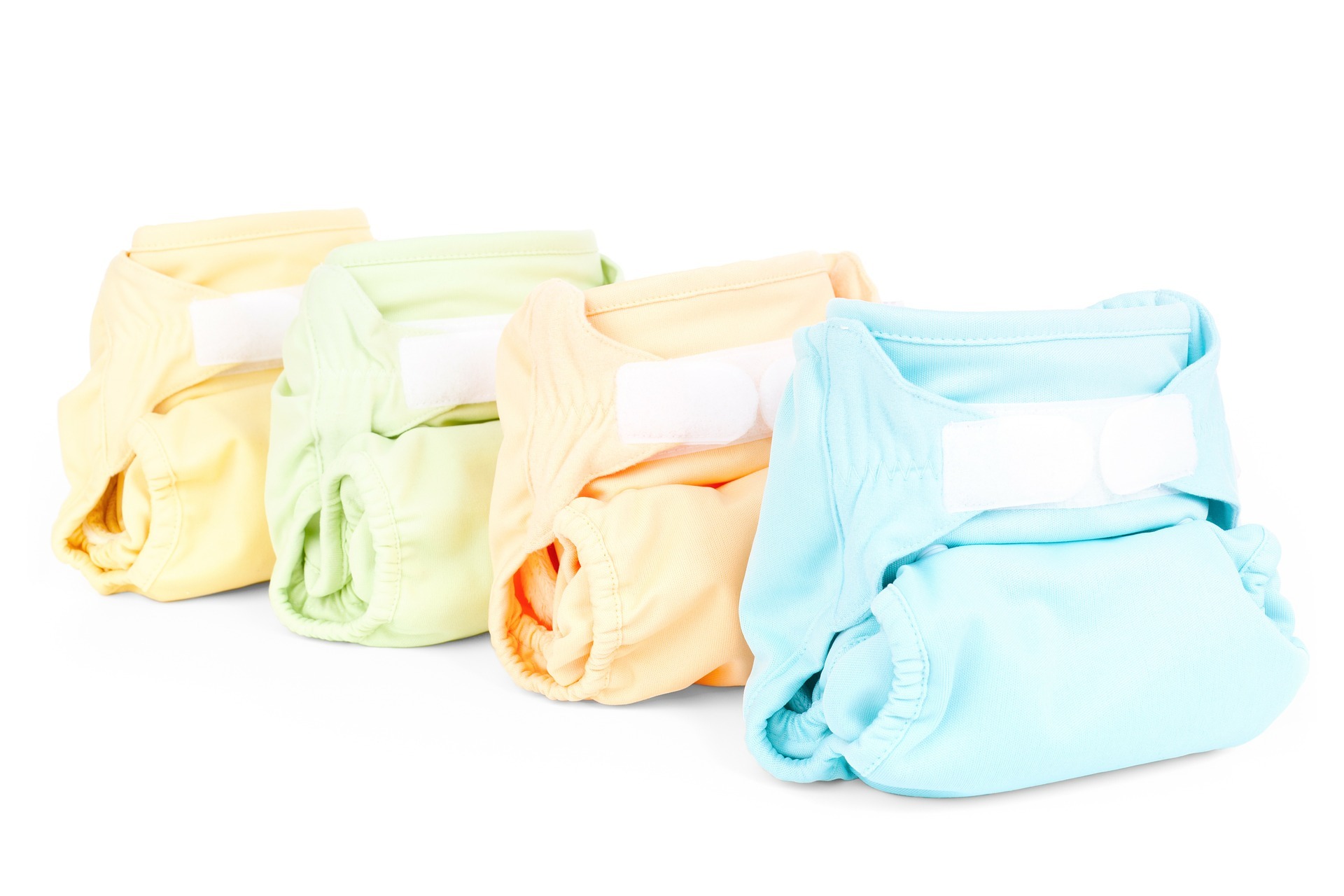
Reusable cloth diapers require a different routine from disposable diapers. Families commonly use a dedicated washable wet bag or another storage system recommended by their diaper manufacturer rather than a standard disposable-diaper pail.
Remove solid waste and handle soiled diapers according to the cloth diaper manufacturer’s instructions. Store them in an appropriate container until wash time, and avoid leaving them damp and soiled for extended periods. Follow the diaper and bag care labels for washing and drying.
Don’t add essential oils, fabric softener sheets, or other scented products to cloth diaper storage unless the manufacturer specifically approves them. Some products can leave residue or interfere with the materials used in reusable diapers.
A Simple Diaper Pail Cleaning Routine
Keeping diaper odors under control doesn’t require a complicated collection of products. A short routine can prevent many common problems:
- After each diaper change: Securely close the used diaper, place it in the lined pail, close the lid, and wash your hands.
- Whenever the pail smells or becomes nearly full: Remove the waste bag, close it securely, and dispose of it appropriately.
- When changing the liner: Check for moisture, leaks, or residue around the lid and inside the container.
- As needed: Wash accessible surfaces with an appropriate cleaner, rinse according to the manufacturer’s instructions, and dry completely.
- After contamination or when additional disinfection is warranted: Use a compatible disinfectant according to its label rather than improvising a strong cleaning solution.
Good diaper-changing hygiene matters alongside odor control. The CDC’s diaper-changing guidance covers safe disposal of used diapers, cleaning contaminated surfaces, and handwashing after diaper changes.
If the pail continues to smell after a thorough cleaning, inspect the liner system and seals. The solution may be a replacement component, a more frequent emptying schedule, or a different container that is easier to clean. The goal isn’t to make the nursery smell strongly perfumed, but to keep diaper waste contained and the surrounding area clean.
Related Posts:
 Deodorize your laundry hampers to keep them from smelling
 How to Keep Clothing Smelling Fresh During Storage
 How to Keep Gym Clothes and Activewear Smelling Fresh
 12 Lemongrass Essential Oil Blends for a…
 How Long Can You Keep Roasted Vegetables in the…
 Removing Zinc Oxide Diaper Rash Cream from Clothing…
 Inexpensive baby doll diaper ideas
 Where to Find Diaper Coupons and Save Money on Diapers