How to Plan a Holiday Potluck So the Host Doesn’t Still Buy Most of Dinner
Plan the whole meal before asking people what they’d like to bring, and give every essential part an owner. That includes the main dish, drinks, bread, condiments, and serving supplies—not just casseroles and desserts. Decide what you can comfortably provide, then let guests choose from the remaining needs.
A potluck can still leave the host with most of the bill when contributions are vague. Three pies are lovely, but they don’t cover an unassigned main course, salad, drinks, and ice. A specific signup list makes those gaps visible before anyone shops.
Set your own contribution before building the menu
Start with a spending limit you can afford without depending on guests to reimburse you later. Include groceries and any supplies you expect to buy. Then decide which parts of the meal fit within that amount.
You might provide the turkey and gravy, or you might provide a substantial vegetable dish while another household brings the main course. Hosting does not have to mean buying the most expensive food as well as preparing the house, coordinating arrivals, and cleaning up.
Be clear at the invitation stage: “We’ll provide the turkey, gravy, water, and tableware. We’re sharing the rest of dinner through the signup list.” That gives guests a useful starting point without making the gathering sound like an invoice.
If the main dish alone would use nearly all your budget, change the plan before shopping. Ask whether another household would like to provide it, arrange a voluntary split purchase in advance, or choose a less costly menu.
Offer complete contributions instead of vague categories
“Bring a side” leaves several decisions unresolved. Which side? How much? Does it need butter, dressing, or a topping? Will the host have to cook it after it arrives?
Write each signup so the person taking it knows what completing the contribution involves:
- Mashed potatoes: a side portion for the confirmed guest count, ready to serve, with a serving spoon.
- Salad: greens, toppings, dressing, bowl, and tongs.
- Rolls: the agreed number, plus butter or another agreed spread.
- Nonalcoholic drinks: the agreed drinks and quantities, with ice if needed.
- Dessert: the agreed number of servings, including any planned whipped cream or sauce.
These are options to agree on, not automatic demands. Someone bringing homemade rolls may already be contributing plenty of time and money; another guest can take the spread. The goal is to assign the missing piece rather than quietly add it to your own shopping list.
Build a menu that matches the number of households
Keep the essential menu small enough that your group can reasonably cover it. If only three households are contributing, an elaborate dinner with two meats, six sides, appetizers, and several desserts will probably leave someone doing far more than expected.
Here’s a hypothetical plan for 12 diners across six contributing households. It illustrates how to cover a meal, not equal spending or a required contribution per family.
| Contributor | Agreed contribution | Details to confirm |
|---|---|---|
| Host | Main dish, gravy, water, and existing tableware | Enough main-dish servings for the group; any dietary alternative assigned separately |
| Household A | Mashed potatoes | Side portions for 12; arrives hot or has a reserved reheating slot |
| Household B | Stuffing or dressing | Side portions for 12; ingredients and heating needs shared |
| Household C | Vegetable side or substantial salad | Side portions for 12; dressing or topping included |
| Household D | Dessert | 12 planned dessert servings, with any accompaniment |
| Household E | Rolls, spread, and agreed drinks | Quantities and total cost checked before committing |
If the last bundle costs too much, simplify the drinks or redistribute an item by agreement. If someone wants cranberry sauce, an appetizer, or a second dessert, add it with an owner. An optional extra shouldn’t become an unspoken obligation for the host.
Don’t ask every household to bring enough food to serve as the entire meal for everyone. Specify a side serving when that’s what you need, and decide whether leftovers are part of the plan.
Make the arrangement fair without matching receipts
Equal numbers of dishes don’t necessarily mean equal contributions. A meat platter, a homemade pie, and a bag of ice differ in cost, work, and transport. Household size and personal circumstances also matter.
Offer choices across different budgets and levels of effort. A guest who doesn’t cook might prefer to bring bread or drinks. Someone traveling a long distance might choose an item that is easy to transport or arrange a purchase with a nearby guest. Store-bought food can be completely appropriate.
Give people a private way to tell you that a contribution won’t work. You can simplify the meal, shift an item with another volunteer’s agreement, or welcome help with setup or cleanup. That help has value, but if your goal is to reduce the grocery bill, the food still needs a realistic plan.
If everyone prefers to split the cost of one large purchase, agree on the item, the maximum total, and each person’s share before anyone buys it. Don’t surprise guests with a payment request after dinner.
Use a signup list that shows the gaps
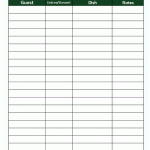
A shared document, group message, or paper list is enough. Record the contributor, exact item, serving quantity, and any oven or refrigerator space required. Add a place for ingredients or dietary notes.
Set a confirmation date before your main shopping trip. For example, ask guests to choose a contribution a week before dinner and confirm the final head count a few days beforehand. These are planning suggestions; adjust them for your group.
If desserts fill up first, steer the next volunteer toward an essential opening: “We’ve got dessert covered. Would you prefer the vegetable side or rolls?” If someone can only bring dessert, accept or decline that offer kindly, then decide separately whether to reassign or remove another item.
Check dietary needs early, too. Make sure guests who can’t eat the main dish have a planned substantial option. For a food allergy, coordinate directly with the guest about ingredients and preparation rather than assuming a dish name or label guarantees suitability.
Prevent last-minute work from landing in your kitchen
Ask whether each dish will arrive ready to eat, chilled for reheating, or needing full cooking. If several contributions require your oven at different temperatures, resolve that before the day. A dish that arrives with no serving utensil, missing ingredients, and an hour of cooking left creates extra work even when its groceries were paid for by someone else.
Plan safe holding as well as oven space. The FDA recommends keeping buffet food at 140°F (60°C) or above when hot, and 40°F (4°C) or below when cold. Perishable food left at room temperature for more than two hours should be discarded; that limit drops to one hour above 90°F (32°C). Arrange refrigerator space, ice, or suitable warming equipment rather than leaving arriving dishes on the counter indefinitely.
Before shopping, review the small extras: ice, butter, coffee, milk or creamer, napkins, serving utensils, and containers for leftovers. Use what you already own, assign what’s needed, and skip purchases that don’t serve the meal. Guests who want leftovers can bring their own containers.
Handle cancellations without buying a second dinner
If someone can no longer bring a dish, first ask whether another volunteer can cover it. Then consider whether dinner actually needs it. Missing an optional appetizer or a second vegetable doesn’t require an emergency shopping trip.
For an essential gap, choose a replacement that fits your remaining budget and cooking capacity. Keep a modest backup in mind from food you already have, rather than buying duplicates of every promised contribution.
On your final shopping list, include only your agreed contribution and any gaps you’ve deliberately chosen to cover. If the total is still too high, simplify the menu or reopen the signup before buying. That is the point where a coordinated potluck becomes a genuinely shared dinner.
Related Posts:
 Your Ultimate Guide to Planning the Perfect Holiday…
 Your Guide to Hosting a Fabulous Potluck Dinner…
- How to Make a Dairy-Free Christmas Dinner Sauce That…
 Host a Christmas gift wrapping party
 Is It Safe to Buy Used Baby Gear? What to Buy…
- What to Buy in Bulk for Thanksgiving—and What to Buy…
- How to Plan Thanksgiving Dinner Around Grocery Sales…
 Free Early Holiday Grocery Shopping List: Plan Ahead…


