How to Make Cumberland Sauce for Christmas Ham or Roast Beef
Cumberland sauce combines red currant jelly, port, citrus, and mustard into a sweet-tart sauce that you serve cold alongside meat. For Christmas dinner, it’s a useful make-ahead accompaniment to ham or roast beef: prepare it before the busy cooking starts, then bring out a small serving bowl when the meat is ready.
Expect a pourable fruit sauce with a little mustard warmth and fine strips of citrus peel. It isn’t gravy, and you don’t need meat drippings to make it. Offer it on the side so everyone can choose how much sweetness and tang to add.
What Gives Cumberland Sauce Its Flavor?
Red currant jelly supplies the fruit base, port adds richness, and orange and lemon balance the sweetness. Mustard and ginger give the sauce a savory edge. Delia Smith’s classic version uses this combination and is served cold with hot or cold meats.
Choose red currant jelly rather than a chunky jam for a smoother result. Look for a jelly whose fruit flavor you enjoy on its own. Different brands vary in sweetness and firmness, so make the final adjustments after the sauce has cooled.
Ingredients
Approximate yield: 1 1/2 cups, depending on reduction.
Allow: About 25–30 minutes to prepare and cook, plus chilling time.
- 1 cup red currant jelly
- 1/3 cup ruby port
- 1/4 cup fresh orange juice
- 1 tablespoon fresh lemon juice, plus more to taste
- Thinly pared zest from 1/2 orange and 1/2 lemon
- 1 teaspoon dry mustard powder
- 1/4 teaspoon ground ginger
- A small pinch of cayenne pepper, optional
You’ll need a small saucepan, a vegetable peeler, a sharp knife, a fine-mesh strainer, and a whisk or spoon. Measure the juice rather than adding all the juice from the fruit; orange and lemon sizes vary considerably.
How to Make the Sauce
- Prepare the citrus. Wash and dry the orange and lemon. Pare off thin pieces of colored peel, leaving the white pith behind, then cut the peel into very fine, short strips.
- Blanch the peel. Put the strips in a small pan of boiling water and cook for about 2 minutes, then drain. This follows the peel-preparation approach in Annie Bell’s Cumberland sauce recipe. If your strips are thick, give them a little longer to soften.
- Mix the seasonings. In a small bowl, stir the mustard powder and ginger into the lemon juice until smooth. Add the cayenne if using.
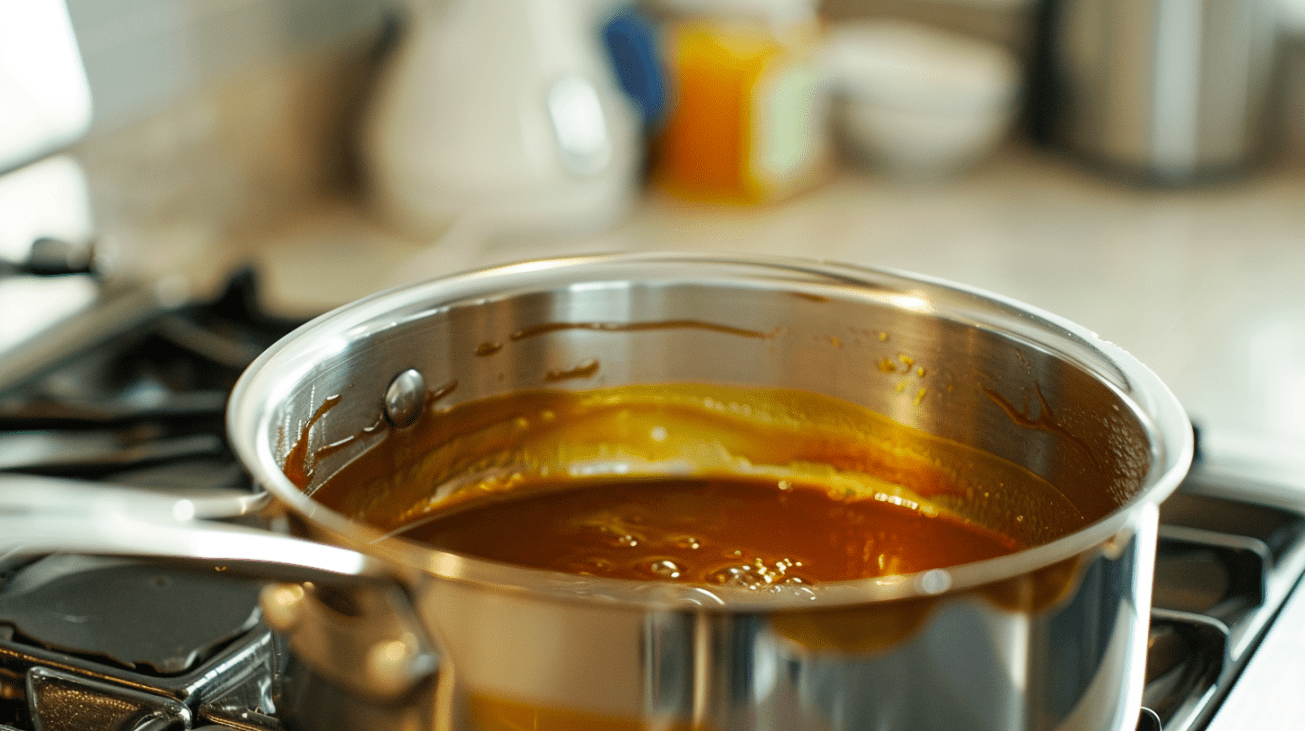
- Melt the jelly. Put the jelly, port, and orange juice in the saucepan. Warm over low heat, stirring until the jelly dissolves. Stir in the mustard mixture and drained citrus strips.
- Simmer gently. Cook uncovered at a gentle simmer for about 5–10 minutes, stirring occasionally, until the sauce is combined and slightly syrupy. Avoid reducing it to a thick glaze. It will thicken further as it cools.
- Cool and adjust. Transfer to a shallow heatproof container and refrigerate promptly. Once cold, stir and taste. Add a little more lemon juice if it tastes too sweet, or a small spoonful of jelly if it is too sharp. Serve chilled.
Get the Consistency Right Before Serving
If it’s too thick: stir in water or orange juice a teaspoon at a time until it pours easily from a spoon. Use water when the flavor is already balanced and you only want to loosen the texture.
If it’s too thin: check it when fully cold before changing anything. If it still runs like juice, return it to the saucepan for a short, gentle reduction, then cool again. There’s no need to add flour.
If the peel feels chewy: strain it out for this batch. Next time, cut finer strips and blanch until tender. The sauce will still have citrus flavor from the juice.
Serve It with Ham or Roast Beef
With a sweet-glazed Christmas ham, keep the sauce on the tart side by tasting it with a small piece of cooked ham before making the final lemon adjustment. For roast beef, offer a modest spoonful alongside the meat, with gravy or horseradish served separately if desired.
Leftover sauce can also be spread thinly in a ham or roast beef sandwich. Use a clean serving spoon so meat juices and crumbs don’t enter the stored sauce.
Make-Ahead and Port-Free Options
Making the sauce the day before dinner gives it time to chill and lets you adjust its cold consistency without rushing. Keep it covered in the refrigerator at 40°F (4°C) or below. As a conservative home-storage approach, use it within 3–4 days rather than treating it like a shelf-stable jar of jelly. Follow USDA’s general leftover-handling guidance: refrigerate within two hours, or one hour above 90°F (32°C).
For a variation made without port, replace the 1/3 cup port with 1/3 cup red grape juice. It will taste fruitier and may need extra lemon juice after cooling. Label it as a port-free variation rather than expecting exactly the same flavor. If you need to avoid alcohol, use the juice option; a brief simmer isn’t a reliable way to make a wine-based sauce alcohol-free.
Related Posts:
 How to Make a Small Ham Feel Like a Full Christmas Dinner
- How to Glaze a Christmas Ham Without Burning the Sugar
- Ham vs. Turkey for Christmas Dinner: How to Compare…
- How to Easily Make Gluten-Free Gravy for Turkey or…
- How to Make a Dairy-Free Christmas Dinner Sauce That…
- How to Make Bread Sauce Without Lumps for a…
 Save money by buying Christmas gifts after Christmas
- Dredging Beef: The Secret to Succulent Beef