How to Make Bread Sauce Without Lumps for a Traditional Christmas Dinner
For bread sauce without hard lumps, use fine, soft white breadcrumbs, stir them gradually into warm infused milk, and give them time to soften over low heat. Keep extra milk nearby to loosen the sauce as it thickens. High heat and a large handful of crumbs added all at once make it harder to get an even consistency.
Traditional bread sauce should be thick and spoonable, with a gentle bread texture. It won’t look perfectly glossy like gravy or completely smooth like a strained white sauce. The aim is tender, evenly softened crumbs with no dry clumps, chewy crust pieces, or whole spices hiding in a spoonful.
Choose the right bread first
Use a plain white loaf with the crusts removed. Slightly stale bread is useful because it’s easier to turn into separate crumbs, but it shouldn’t be rock-hard, toasted, or moldy. Pulse it in a food processor until the crumbs are fine and fairly even. Without a processor, grate a firm piece of bread and break up any larger bits by hand.
Packaged dried breadcrumbs, seasoned crumbs, and panko aren’t direct substitutes here: their dryness and texture differ from soft homemade crumbs. A seeded loaf or chewy sourdough will also give a different result. For the pale, mild sauce usually served with Christmas turkey, plain white bread is the simplest starting point.
A simple bread sauce to start with
This version uses the traditional method of flavoring milk with onion and spices before adding bread. Both Good Food’s bread sauce and Sydney Living Museums’ old-fashioned bread sauce use infused, strained milk as the base. Bread varies in absorbency, so judge the final consistency as well as following the quantities.
Ingredients
- 500 ml whole milk, plus extra for adjusting the consistency
- 1 small onion, peeled and halved
- 2 whole cloves
- 1 bay leaf
- 100 g fine, soft white breadcrumbs, weighed after removing the crusts
- 25 g butter
- 2 tablespoons heavy cream, optional
- Salt, ground white or black pepper, and a small pinch of ground nutmeg, to taste
Method
- Infuse the milk. Put the milk, onion, cloves, and bay leaf in a heavy-bottomed saucepan. Bring to a very gentle simmer, then maintain low heat for about 20 minutes, stirring occasionally. Avoid a vigorous boil, which can scorch the milk and reduce it too much.
- Strain before thickening. Pour the milk through a fine sieve into a heatproof jug. Remove the onion, cloves, bay leaf, and any milk skin. Return the milk to a clean saucepan.
- Add the crumbs gradually. Warm the milk over low heat. Sprinkle in the breadcrumbs in several additions, stirring between each one so there are no dry pockets. A whisk helps distribute the crumbs at first; switch to a spoon or silicone spatula as the sauce thickens.
- Let the bread soften. Cook gently for about 5–10 minutes, stirring across the bottom and into the corners of the pan. Press any soft clumps against the side with the back of the spoon. The crumbs should be thoroughly moistened, without firm centers.
- Finish and adjust. Stir in the butter and optional cream. Season with salt, pepper, and a little nutmeg. If the sauce sits in a stiff mound, add warm milk a tablespoon at a time until it falls softly from the spoon. Serve warm.
How to fix lumpy or overly thick bread sauce
| What you notice | What to do |
|---|---|
| Soft clumps of breadcrumbs | Add a splash of warm milk, stir over low heat, and press the clumps against the pan with a spoon. |
| Firm, dry bread pieces | Give them more gentle cooking time and enough milk to soften. Remove stubborn crust pieces rather than boiling the sauce harder. |
| A paste-like or stiff consistency | Stir in warm milk a tablespoon at a time, allowing each addition to mix through before adding more. |
| A thin sauce | Allow the crumbs to finish absorbing liquid. If it is still too loose, add a small amount of fine crumbs and cook until softened. |
| Leathery flakes | Lift out milk skin. Next time, strain the infused milk before adding the breadcrumbs. |
| A scorched bottom | Stop stirring and transfer the unburned sauce to a clean pan without scraping the bottom. If it tastes burned, start again. |
Make adjustments slowly. Adding a lot of milk and then a lot of breadcrumbs can leave you with much more sauce than you intended, without solving the texture problem.
Should you blend bread sauce?
You usually don’t need to. Fine crumbs, gentle heat, and a spoon are enough for a traditional texture. If you prefer a more uniform sauce, remove all whole spices first, loosen it with a little warm milk, and use an immersion blender briefly, following its hot-liquid instructions.
Blending won’t fix scorched flavor, and it can turn the sauce into a dense paste if you overdo it. Try a small amount in a separate container before blending the whole pan.
Making it ahead for Christmas dinner
Making bread sauce the day before takes one small pan off your Christmas morning list. It will thicken in the refrigerator, so plan to loosen it during reheating rather than trying to get its final serving consistency while cold.
Transfer it to a shallow container and refrigerate promptly, within two hours, at 40°F (4°C) or below. Use within three days. Reheat over low heat, stirring frequently and adding milk as needed, until it reaches 165°F (74°C) throughout. The cooling and reheating temperatures follow USDA guidance for leftovers.
For the easiest finish, reheat the sauce shortly before serving, check the seasoning after adding extra milk, and transfer it to a warmed serving bowl. Give it a final stir: it should be soft enough to spoon alongside turkey, chicken, or roast vegetables without needing to be cut from the bowl.
Related Posts:
 How to Make a Dairy-Free Christmas Dinner Sauce That…
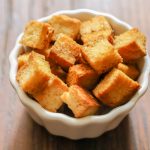 How to Make Bread Crumbs and Croutons from Leftover Bread
- How to Braise Red Cabbage Ahead for Christmas Dinner…
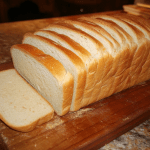 How Long Does Fresh Bread Last? Keeping Your Bread Fresh
- Fresh Bread vs. Dried Bread for Stuffing: How to…
- How to Make a Small Ham Feel Like a Full Christmas Dinner
- How to Make Cumberland Sauce for Christmas Ham or Roast Beef
 Save money by buying Christmas gifts after Christmas


