
How to Add Variety to Brown Bag Lunches Without Spending More
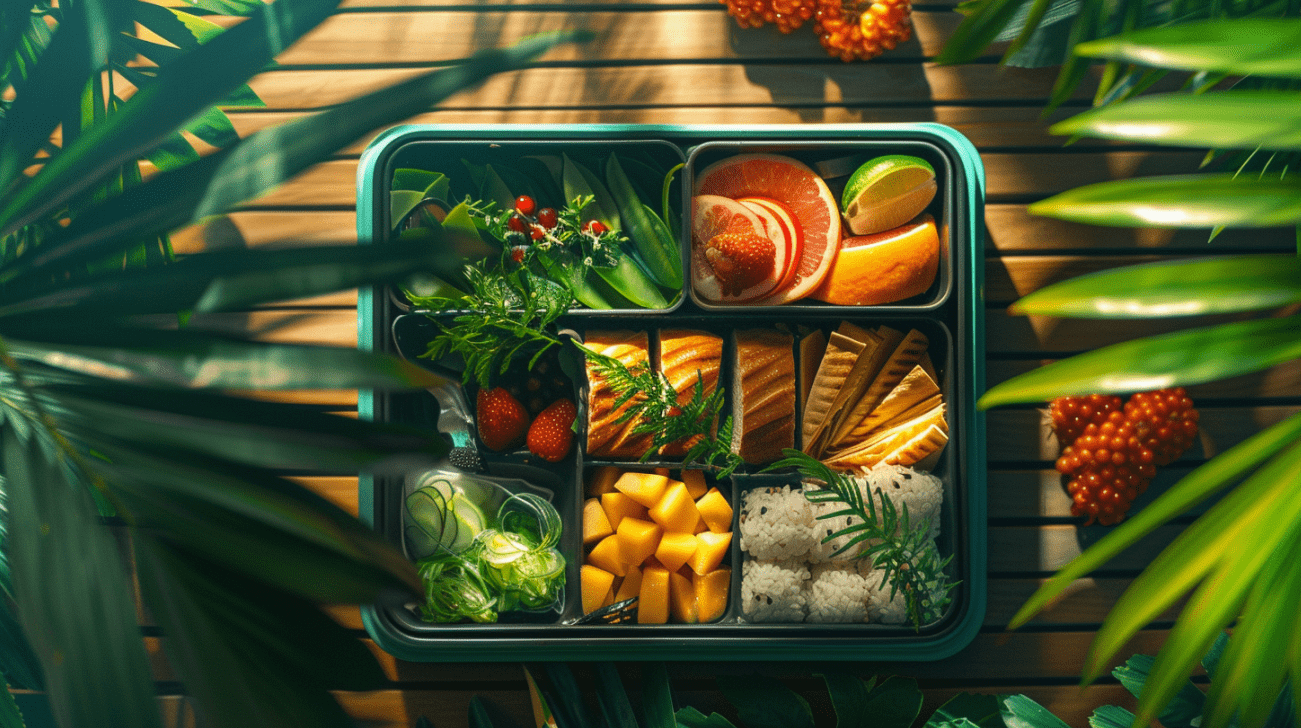
You don’t need to prepare a completely different meal every day to keep packed lunches interesting. Changing the bread, sandwich filling, fruit, or vegetables can make familiar ingredients feel like a different lunch without adding much work or increasing your grocery bill.
For example, the same turkey, cheese, and lettuce you use in a regular sandwich can become a pita pocket, tortilla wrap, or bagel sandwich. Add a different fruit or vegetable on the side, and you’ve changed the meal without buying an entirely new collection of ingredients.
The trick is to find a balance between variety and practicality. Buying five kinds of bread and a dozen different toppings each week may create more food waste than savings. Instead, choose a few versatile ingredients that can be used in different combinations throughout the week.
Change the Bread to Make Sandwiches More Interesting
Sandwiches are a convenient packed-lunch choice, but eating the same bread and filling every day can become repetitive. One of the easiest ways to add variety is to change what holds the sandwich together.
Try rotating between:
- Whole wheat bread: A familiar choice for traditional sandwiches with ham, turkey, cheese, or other favorite fillings.
- Pita bread: Cut a pita into pockets and fill it with chicken, vegetables, hummus, or your usual sandwich ingredients.
- Ciabatta: A sturdier option for sandwiches with sliced cheese, vegetables, and other fillings. It works well for adults and older children who enjoy chewier bread.
- Rye bread: Try it with Swiss cheese, turkey, or other savory fillings for a different flavor.
- Bagels: Use a sliced bagel for a substantial sandwich with cream cheese, deli meat, or vegetables.
- English muffins: Their smaller size can be convenient for younger children or anyone who prefers a lighter lunch.
- Tortillas: Roll sandwich ingredients into wraps, then cut them into manageable pieces if desired.
You don’t need all these choices in the house at once. Pick two types of bread for the week and alternate between them. If your family doesn’t finish a package quickly, freeze suitable bread products in portions and thaw them as needed.
For example, you might buy a loaf of whole wheat bread and a package of tortillas. Use the bread for regular sandwiches and the tortillas for wraps, quesadillas, or other family meals. That gives you variety without leaving several half-used packages in the pantry.
Budget tip: Compare the price per serving, not just the package price. Specialty breads can cost considerably more than regular sandwich bread, particularly when they come in small packages. A simple change in shape or presentation may be enough to make lunch feel different.
Mix Up Sandwich Fillings, Cheese, and Spreads
Changing the bread is only one option. You can also create several different lunches from the same basic sandwich ingredients by switching the cheese, spread, or vegetables.
Try Different Spreads
A spread can change the flavor of a sandwich without requiring another main ingredient.
- Mayonnaise: A familiar choice for turkey, chicken, or ham sandwiches.
- Mustard: Adds a tangy flavor and pairs well with many savory fillings.
- Hummus: Works as a spread with cucumber, shredded carrots, or other vegetables.
- Mashed avocado: Adds a creamy texture to sandwiches and wraps, although it may brown during storage.
Choose spreads your household already uses. Buying a special jar for one sandwich isn’t particularly economical if the rest will sit unused in the refrigerator.
For school lunches, check food allergy policies before including hummus or other foods containing ingredients that may be restricted. Pack spreads and sandwiches requiring refrigeration with adequate cold sources.
Change the Cheese
Cheddar, Swiss, and pepper jack can give the same sandwich filling different flavors. Mild cheddar may appeal to children who prefer familiar tastes, while Swiss or pepper jack can provide variety for anyone who enjoys something different.
To limit waste, use one or two cheeses that can also go into breakfasts, snacks, or family dinners. There’s no need to buy several varieties just for lunches.
Add Different Vegetables
Vegetables can change both the texture and flavor of a sandwich. Try crisp lettuce, sliced cucumber, tomato, shredded carrots, or pickles.
If soggy bread is a common problem, pack juicy vegetables separately and add them immediately before eating. Another option is to put lettuce or cheese between the bread and wetter ingredients.
For younger children, prepare vegetables in suitable sizes and textures for their chewing abilities. Hard raw vegetables may need to be sliced thinly, grated, or otherwise prepared to reduce choking risks.
Rotate Fruits and Vegetables on the Side
Lunch variety doesn’t have to come from changing the main dish. Keeping a favorite sandwich and rotating the sides may be the simplest approach, especially for children who prefer familiar foods.
Vegetable Ideas
Choose from vegetables your family already eats, such as:
- Carrot sticks or appropriately prepared carrot pieces
- Cucumber slices
- Broccoli florets, raw or lightly cooked depending on preference and age
- Bell pepper strips
You can also vary the dip. Ranch dressing, hummus, and salsa offer different flavors, although not every dip works equally well with every vegetable.
For instance, carrots and cucumber might be served with ranch dressing one day and hummus another. Preparing vegetables together can reduce morning work, provided they’re stored properly and used while fresh.
Fruit Ideas
Instead of automatically packing an apple or banana every day, rotate among fruits that are affordable and appealing to your family.
- Apples or apple slices
- Bananas
- Mandarin oranges or clementines
- Grapes, prepared appropriately for the child’s age
- Strawberries, blueberries, or other berries
- Melon cubes
- Pineapple chunks
Whole fruit is often convenient because it needs less preparation. Cut fruit is useful when children have limited time to eat or find peeling difficult, but it needs appropriate refrigeration and safe handling.
For young children, whole grapes can be a choking hazard. Cut round fruits into appropriately sized pieces and remove pits from fruits such as cherries.
Do You Need a Different Juice Every Day?
Switching between apple, orange, cranberry, and mixed berry juice is another way to change lunchtime flavors, but buying several cartons at once isn’t necessary.
Water is a practical everyday drink that doesn’t require purchasing different flavors. If you serve juice, check the label to distinguish 100% fruit juice from juice drinks with added sugars. Choose portions appropriate for your child’s age and dietary needs.
A reusable water bottle can also reduce spending on individually packaged beverages.
Let Kids Help Plan Their Lunches
Children may be more interested in eating a packed lunch when they’ve had some say in what goes into it. That doesn’t mean offering unlimited choices or preparing a separate menu for every family member.
Instead, let children choose from ingredients you’re already planning to buy.
For example:
- Choose the vegetables: Ask whether they’d prefer carrots or cucumber this week.
- Pick a fruit: Offer a choice between two fruits that fit the grocery budget.
- Select the bread: Let them decide whether tomorrow’s sandwich should be on bread or in a tortilla.
- Choose a spread: Offer two familiar options that work with the filling.
- Help with preparation: Older children can assemble sandwiches or portion appropriate sides, while younger children can help make choices and pack safe, nonperishable items.
If lunch regularly comes home uneaten, ask why before changing everything. Maybe the sandwich was too large, the bread became soggy, the fruit was difficult to peel, or there wasn’t enough time to eat.
These details can be more useful than buying new ingredients every week in the hope that something different will work.
Try Simple Lunchbox Theme Days
Theme days can provide variety without elaborate decorations or special recipes. They’re especially useful when children enjoy being involved in planning.
You could try:
- Mexican Monday: A tortilla wrap with familiar fillings, plus vegetables and fruit.
- Italian Tuesday: A mozzarella and tomato sandwich on suitable bread, or a chilled pasta salad kept at a safe temperature.
- Wrap Wednesday: Roll turkey, cheese, lettuce, or another favorite combination into a tortilla.
- Thursday Pita Pockets: Fill pita bread with chicken, hummus, and vegetables.
- Friday Favorites: Let your child choose a lunch they’ve particularly enjoyed earlier in the week.
There is no need to follow this schedule exactly. Use the themes as ideas rather than rules, and repeat popular lunches whenever that makes shopping or preparation easier.
A Simple Five-Day Lunch Variety Plan
Here’s one way to build five different lunches from a short shopping list. This is an illustrative menu, not a fixed meal plan or a claim that every lunch meets an individual child’s nutritional needs. Adjust portions and ingredients for appetite, allergies, dietary needs, and school requirements.
| Day | Main Lunch | Fruit or Vegetable |
|---|---|---|
| Monday | Turkey and cheddar on whole wheat bread | Apple slices and cucumber |
| Tuesday | Turkey, lettuce, and hummus in a pita | Mandarin orange and carrots |
| Wednesday | Cheese and vegetable tortilla wrap | Berries and cucumber |
| Thursday | Turkey and Swiss sandwich | Apple and bell pepper strips |
| Friday | Favorite leftover sandwich ingredients in a wrap | Remaining fruit and vegetables |
The advantage of this approach is that several ingredients appear more than once. You’re not purchasing a different deli meat, cheese, or vegetable for every lunch.
You could make the plan even simpler by using one type of cheese and two kinds of fruit for the entire week. Variety doesn’t require a completely new grocery list every day.
How to Keep Packed Lunches Safe
Sandwiches containing deli meat, many cheeses, mayonnaise-based fillings, or other perishable ingredients need to stay properly cold until they’re eaten. So do cut fruit, prepared vegetable salads, and refrigerated dips.
The USDA recommends using an insulated lunch bag with at least two cold sources when packing perishable foods. These could be two frozen gel packs or a frozen gel pack combined with a frozen water bottle. Position the cold sources around the food, and use a refrigerator at school or work if one is available.
For hot lunches such as soup or chili, the USDA recommends using a suitable insulated container and keeping the food at 140°F or above until it’s eaten. Follow the container’s instructions and ensure the meal is heated and packed safely.
Additional precautions include:
- Wash your hands and preparation surfaces: Use clean utensils and cutting boards when making lunches.
- Refrigerate food prepared ahead: If you make sandwiches or other perishable lunch items the night before, keep them refrigerated until packing.
- Use appropriate containers: Separate wet fillings and dips to prevent leaks and soggy food.
- Respect school allergy policies: Check restrictions before packing ingredients such as nuts, sesame-containing products, or other potential allergens.
- Handle leftovers carefully: Discard perishable food that hasn’t remained safely chilled rather than automatically putting it back in the refrigerator after school.
A traditional paper bag alone won’t keep perishable foods cold. If you’re packing a brown bag lunch with ingredients that require refrigeration, use suitable cold storage rather than relying on the bag itself.
How to Add Lunch Variety Without Increasing Grocery Costs
The easiest way to keep lunch spending under control is to plan around foods your household already uses. If you’re buying tortillas for dinner, reserve some for wraps. If you have cucumbers for a salad, slice a few for lunch. If a large package of cheese is on sale and your family will use it, that may be more economical than purchasing several small specialty packages.
Before shopping, check what’s already in the refrigerator, freezer, and pantry. Build your lunch choices around those ingredients and buy only what’s needed to complete the meals.
Freezing suitable bread in small portions, using reusable containers, and rotating the same ingredients across several lunches can also help reduce waste.
If your family enjoys a particular lunch, there’s no reason not to repeat it. A favorite sandwich with a different fruit or side is still a useful change, and sometimes consistency makes school mornings easier for everyone.
Related Posts:
 How to Add Mushrooms to Stuffing Without Making It Soggy
- How to Add Rich Flavor to Holiday Vegetables Without…
 Creating a Cosy Reading Nook Without Spending Much
 Crafting Your Own Brown Sugar: Homemade Brown Sugar Recipe
 Is “Buy More, Save More” Actually Saving You Money?
- 22 Sandwiches for Kid's Lunches That Don't Use Deli Meat
- Sandwich alternatives for school lunches
- Keeping School Lunches Cool Until Lunchtime



I’m not very creative when it comes to my lunches, but for me I eat a lot of Lean Cuisines and alternate with leftovers.