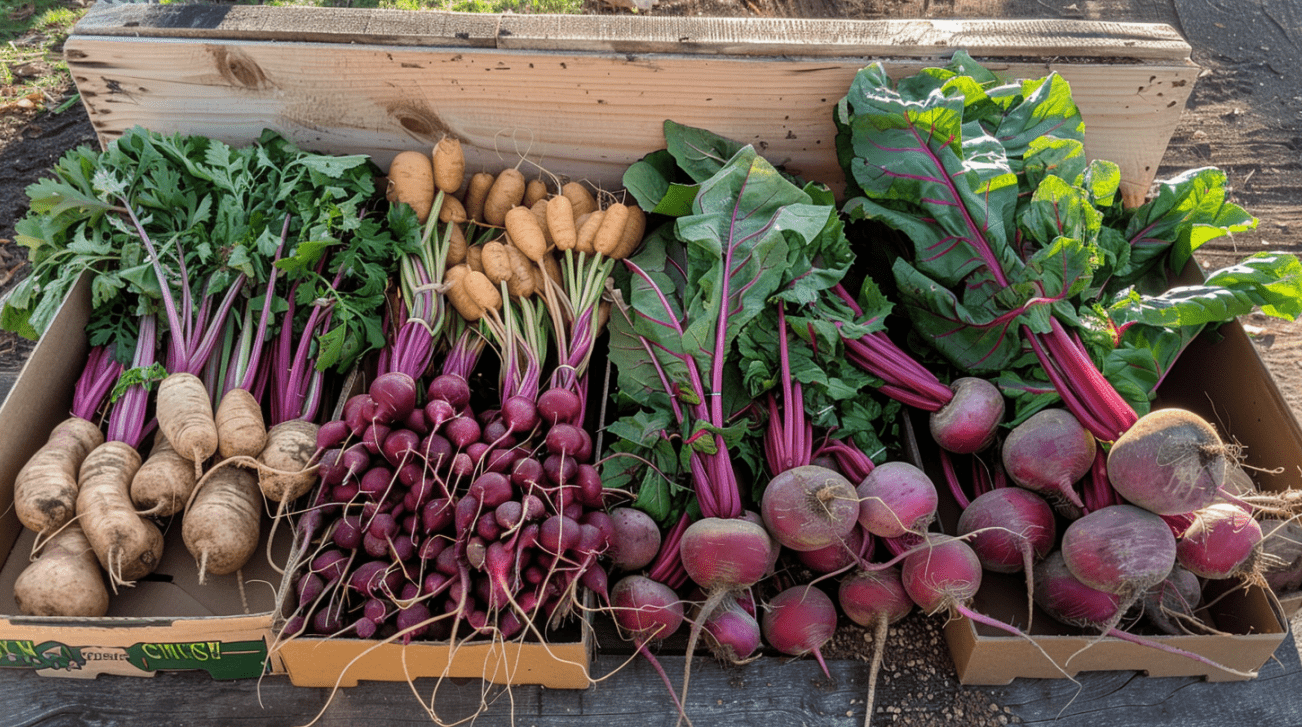
Don’t Just Shop Farmers Markets in the Summer
Don’t cross the farmers market off your shopping list when summer ends. Some markets stay open through fall or operate year-round, giving you a place to buy vegetables for soups, roasted dinners, and other cold-weather meals. The selection will change, but that can be a useful nudge to try something beyond your usual grocery list.
Start by checking your market’s current schedule. Then shop with a few flexible meal ideas and a budget in mind. What’s available depends on your climate, the weather, and the growers selling that week—not every market will have the same fall and winter harvest.
Check the Fall and Winter Schedule Before You Go
Look at the market organizer’s website or recent social media posts for dates, hours, location, and weather-related cancellations. A market may move indoors, switch to fewer dates, or close for part of the winter. Check the current vendor list, too, especially if you’re making the trip for a particular farm or product.
If your usual market closes after summer, search for a winter farmers market in a nearby town. Confirm that it sells the groceries you need before making a special trip.
What to Look for Beyond Summer Produce
Treat these as ideas for browsing, rather than a list you’ll find everywhere. Ask growers what they’re harvesting now, what they’ve kept in storage, and what they expect to bring next time.
- Leafy greens: Look for kale, bok choy, collards, chard, and spinach when available. Add spinach to pasta, sauté bok choy, or use kale and collards in a bean soup. Ask about cooking an unfamiliar variety before buying a large bunch.
- Winter squash and pumpkins: Butternut and other winter squashes work well for roasting and soups. If you’re buying a pumpkin for cooking, ask which variety the grower recommends for your recipe.
- Potatoes, sweet potatoes, and root vegetables: Look for potatoes, sweet potatoes, turnips, rutabagas, parsnips, and celery root. Try adding a small amount of an unfamiliar root vegetable to a potato mash or a tray of roasted vegetables.
- Brussels sprouts, broccoli, broccolini, and cauliflower: These offer options for roasted sides, stir-fries, and soups when local growers have them available.
Bell peppers may still turn up during an early fall visit, but don’t count on them as a winter staple. University of Minnesota Extension’s pepper-growing guidance explains their preference for warm conditions. Ask the vendor where and how they’re grown if local seasonality matters to your purchase.
Make the Market Fit Your Grocery Budget
Buying at a farmers market doesn’t automatically mean spending less. Compare prices and buy quantities your household can use.
- Check your kitchen first. Note which vegetables you already have and which pantry ingredients could become a meal with a few fresh additions.
- Compare like quantities. A price per bunch isn’t directly comparable with a price per pound. Ask how an item is priced and, when practical, compare the cost by weight.
- Give each purchase a purpose. Choose squash for soup, greens for pasta, or potatoes and parsnips for a roast dinner. Leave room for one unfamiliar vegetable if you’d like to experiment.
- Ask about larger quantities without assuming a discount. If a grower offers a bulk price, check whether you have the storage space and a realistic plan to use the produce.
For example, a small shopping list of kale, potatoes, and parsnips could cover a white bean and kale soup using pantry beans, plus a roasted vegetable side for another dinner. Plan around the amount your family will eat rather than buying extra just because a basket looks appealing.
Plan Storage Before Buying Extra
Don’t assume all fall vegetables belong in the same storage spot. Leafy greens, potatoes, sweet potatoes, and whole winter squash have different needs. Use a crop-specific reference, such as University of Minnesota Extension’s vegetable storage guide, to decide what you can reasonably keep at home.
If you want to freeze, can, or dry a larger purchase, choose a tested preservation method for that particular food before buying it. Include the supplies, preparation time, and available storage space in your decision.
For your next visit, pick one cold-weather meal to shop for and ask a grower what would work well in it. That’s an easy way to keep enjoying the market after the summer tomatoes are gone.
Related Posts:
 Grocery Challenge - Don't buy single serving packaged food
 Lunchtime Savings: Don't Forget the Drinks!
 How to teach a subject you don't know?
 Best Time of Day to Shop for a Pair of New Shoes
- Don't give in to your child's demands
- The Golden Rule of Slow Cooking: Don't Lift the Lid!
- Don't Mess With Texas Soup Mix in a Jar
- 22 Sandwiches for Kid's Lunches That Don't Use Deli Meat


