Coconut & Lime Infused Tequila Recipe
Unsweetened coconut and lime zest give tequila a tropical flavor for frozen margaritas, coconut cocktails or a simple drink over ice. This recipe uses shredded coconut rather than coconut milk, so the finished infusion is a flavored spirit—not a creamy coconut liqueur.
Make a small batch, keep it refrigerated and check the flavor during steeping. The lime may become prominent before the coconut does, so using strips of zest makes it easier to remove the peel separately.
Ingredients
- 2 cups tequila, preferably blanco labeled 40% alcohol by volume (80 proof)
- 1/2 cup packaged, unsweetened dried shredded coconut
- Zest of 1 lime, avoiding the white pith
You’ll also need a glass jar with a tight-fitting lid, a vegetable peeler, a fine-mesh strainer, a paper coffee filter and a glass bottle or jar for the strained tequila.
Choose plain shredded coconut from the baking aisle. Sweetened coconut, fresh coconut, coconut milk and cream of coconut aren’t interchangeable in this infusion. Keep juice and sweeteners for the individual drinks you mix later.
How to make coconut and lime tequila
- Prepare your equipment. Wash the jar, receiving bottle and utensils thoroughly. For heat-safe glass containers suitable for boiling, NC State recommends boiling infusion jars or bottles for 10 minutes. Follow the manufacturer’s instructions for lids and let the containers cool before adding tequila.
- Wash and zest the lime. Rinse the lime under running water, rubbing its surface, and dry it with a clean towel. The FDA recommends washing produce before peeling, without soap or detergent. Peel thin strips of the colored zest, leaving the bitter white pith behind.
- Combine the ingredients. Put the coconut and lime zest in the cooled jar. Pour in the tequila, close the lid and gently shake to wet the coconut. Label the jar with the ingredients and starting date.
- Refrigerate and check the flavor. Keep the jar refrigerated and gently shake it once daily. Begin checking the flavor after the first day by pouring a small sample into a separate glass. If the lime is strong enough, remove the zest with clean utensils while the coconut continues steeping. Allow approximately 5–7 days as a flavor-development window, straining sooner if you like the balance. This timing is not a safety guarantee.
- Strain in two stages. Pour through a fine-mesh strainer to remove the coconut and peel. Then pass the liquid through a paper coffee filter into the prepared receiving container. Let it drain without forcing the solids through; replace the filter if it clogs.
- Cap and refrigerate. Label the finished infusion with its ingredients and preparation date. Discard the strained solids.
Tips for a better-balanced batch
Keep the pith out. Thin strips of colored peel provide lime aroma without adding thick pieces of white pith. If the citrus becomes too pronounced, remove the peel rather than automatically continuing to steep everything for a full week.
Expect some liquid loss. Coconut holds onto tequila, and filtering leaves some behind, so the bottled yield will be less than the starting 2 cups. Don’t top it up with water to restore the volume.
Try a half batch first. Use 1 cup tequila, 1/4 cup coconut and the zest of half a lime. This lets you decide whether you like the combination before committing more ingredients.
Ways to serve it
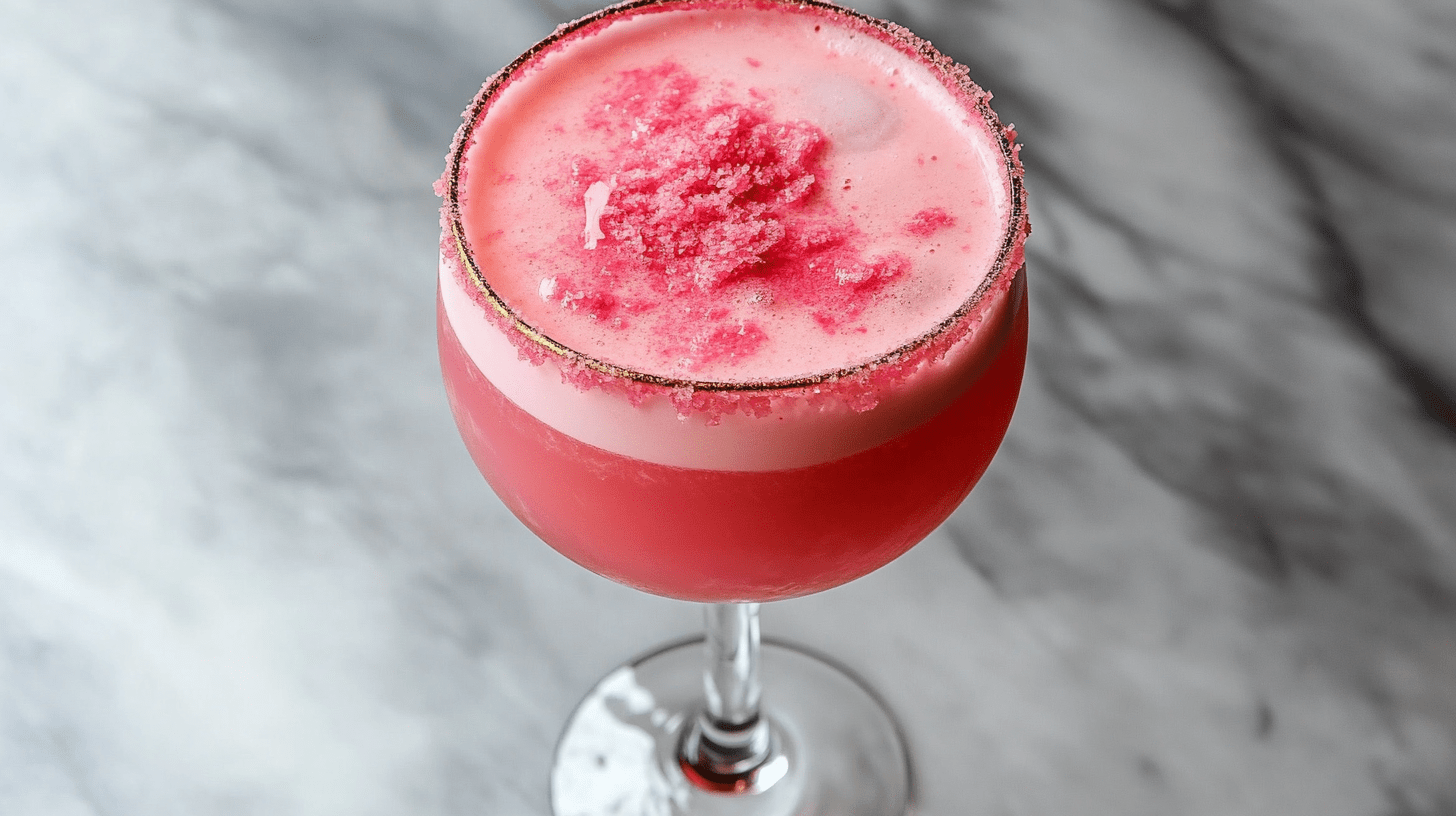
- Frozen margarita: Substitute the infusion for the tequila in your usual frozen margarita recipe. Adjust sweetness in the finished drink.
- Creamy coconut margarita: Use the strained tequila in a cocktail recipe that calls for coconut milk or cream of coconut, adding those ingredients only when mixing the drink.
- Tequila and soda: Pour a measured serving over ice, top with soda water and add fresh lime juice to taste.
Storage
Keep the strained infusion refrigerated in a tightly closed container. No validated storage life is established for this exact recipe, so make small batches rather than preparing it for long-term storage or unrefrigerated gifts.
NC State’s food-safety specialists caution that alcohol does not reliably eliminate every pathogen in homemade infusions. Ingredients, alcohol concentration and exposure time all affect safety. Clean equipment and refrigeration are precautions, not proof that a batch is safe; normal smell and appearance cannot establish safety either. For a specific storage recommendation, consult your local extension food-safety service.
Label the bottle clearly as containing alcohol and coconut, keep it away from children, and serve only to adults of legal drinking age who can safely consume alcohol.
Related Posts:
 Make Your Own Pineapple & Coconut Infused Tequila Recipe
 Tropical Escape: DIY Coconut Lime Verbena Bath Salts
 Tropical Bubbles: DIY Coconut Lime Verbena Bubble Bath
 Tropical Hydration: DIY Coconut Lime Verbena Daily…
- Lime & Thyme Infused Tequila Recipe
- Mango & Lime Infused Tequila Recipe
- Hibiscus & Lime Infused Tequila Recipe
- Pomegranate & Lime Infused Tequila Recipe