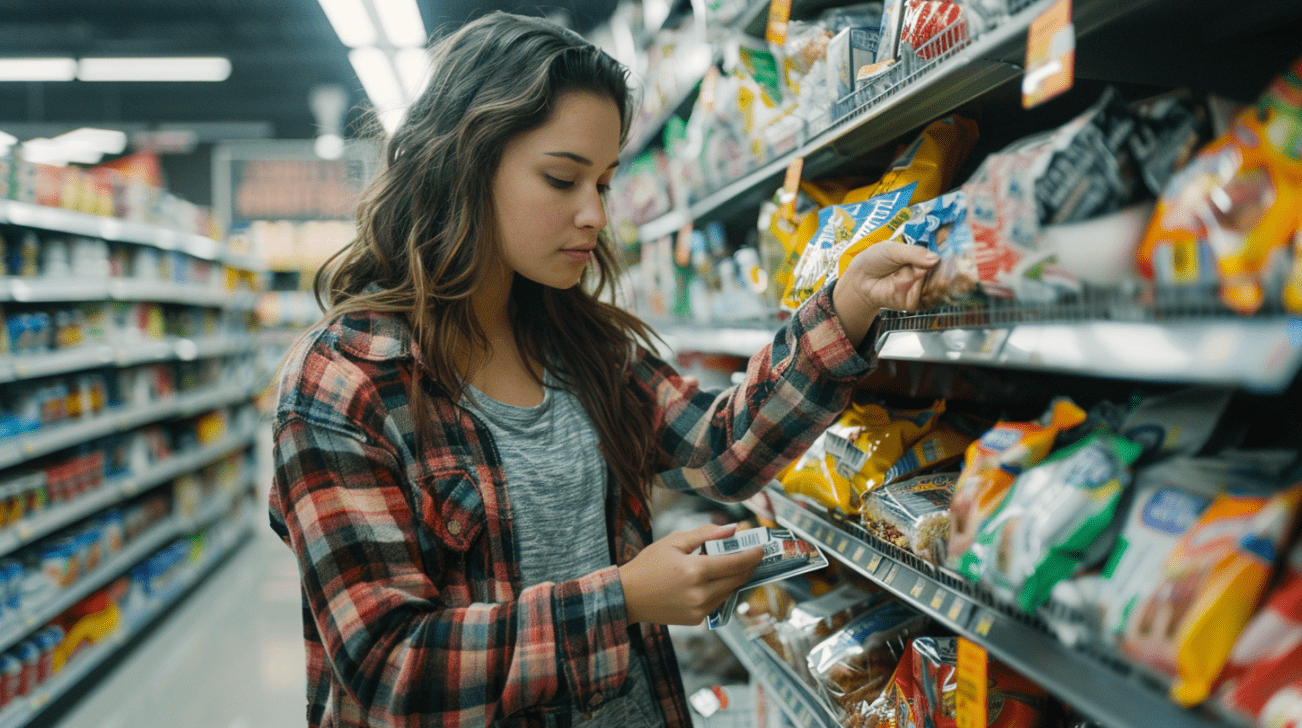
How to Reduce Food Waste in Your Kitchen

To reduce food waste, start with what you already have: plan meals around food that needs using, buy quantities your household can finish, and freeze extras while they’re still good. A few changes to your shopping and storage routine can help more of your grocery budget end up on the table.
If you’re not sure where to begin, notice what you throw away over the next week and why. Half a loaf of bread, forgotten leftovers, and unused salad greens call for different solutions. Fix the problem that keeps repeating first.
Check your kitchen before planning meals
Look through the refrigerator, freezer, and pantry before writing your shopping list. Choose meals that use what needs attention, then add only the missing ingredients.
For example, if you have half a cabbage left, plan another meal that uses cabbage rather than buying a bag of lettuce for a completely different recipe. Leave some room in the week’s plan for leftovers or a change of plans instead of buying ingredients for a new dinner every night.
Create a visible “use first” area for suitable refrigerated foods, such as opened ingredients and dated containers of leftovers. Keep raw meat separate from ready-to-eat foods. When you put groceries away, move older items forward so new purchases don’t hide them.
Buy the amount you’ll use
A large package is only better value if you can use or safely store the extra. If you routinely discard part of a tub of yogurt or bag of spinach, try a smaller package and compare what you actually finish.
Check dates when buying perishables, but choose them around your meal plan. A later date may help with something you won’t open for several days; an earlier-dated item may suit tonight’s dinner. Neither date guarantees a particular number of extra days once the package is opened.
For ingredients you use occasionally, consider whether a frozen version would let you take out just what you need. You can also divide suitable fresh foods into portions and freeze the excess soon after buying them.
Understand dates and storage instructions
A date label isn’t always a deadline for throwing food away. In the United States, the FDA describes “Best if Used By” as a quality date. It indicates expected flavor and quality rather than automatically establishing that food becomes unsafe the next day.
That doesn’t mean every dated food should be kept longer. Follow product-specific safety and storage instructions, including directions for use after opening. Don’t apply general best-before advice to infant formula or ignore an explicit safety deadline. Storage history matters, too: a date cannot make improperly stored food safe.
Use an appliance thermometer to check that your refrigerator stays at 40°F (4°C) or below and your freezer at 0°F (−18°C) or below, as recommended by the FDA. Leave enough room for cold air to circulate in the refrigerator.
Give leftovers a destination
Before packing leftovers away, decide whether they’re tomorrow’s lunch, part of another dinner, or a freezer meal. Label the container with the food and cooking date so you don’t have to guess later.
According to FoodSafety.gov’s leftover guidance, refrigerate perishable food within two hours, or within one hour when temperatures exceed 90°F (32°C). Divide large amounts into small, shallow containers for quicker cooling; don’t leave a large pot on the counter waiting to reach room temperature.
Use refrigerated leftovers within three to four days, or freeze them within that period. A weekly leftover night can help, but it isn’t a reason to hold food beyond its safe storage time. When reheating leftovers, check that they reach 165°F (74°C) with a food thermometer.
Simple changes can make a second meal appealing: use properly stored cooked chicken in a wrap, add cooked vegetables to soup, or serve leftover chili over a baked potato. Plan that second use when you cook, rather than hoping inspiration arrives before the food needs discarding.
Freeze extras before they become a problem
Freeze food when you realize you won’t use it in time, while it’s still suitable to eat. Freezing is a storage method, not a way to rescue spoiled food or food left unrefrigerated too long.
Pack lasagna, casseroles, and other freezer-friendly leftovers in portions that match how you’ll serve them. Label each package with its contents, portion count, and date. Keep a short freezer list and choose something from it when planning meals; otherwise, freezing can simply move forgotten food to another location.
Produce needs a little preparation. Most vegetables benefit from blanching before freezing to preserve quality. Follow the National Center for Home Food Preservation’s blanching guidance and the timing for the particular vegetable rather than using one time for everything.
Frozen produce may have a softer texture after thawing, so plan an appropriate use, such as fruit in a smoothie or vegetables in a cooked dish. Freeze portions you can use without thawing the entire supply.
Adjust what you cook, not just what you buy
If you repeatedly throw away the same leftovers, reduce that recipe next time. Note how much dry pasta, rice, or other staple your household actually uses so you have a practical starting point for the next meal.
You don’t have to cook exactly one meal’s worth every time. Cooking extra is useful when you’ve planned lunches or freezer portions. The aim is to give the extra food a purpose.
After a week or two, look back at what still went unused. Freeze half the bread earlier, buy fewer greens, or make a smaller pot of rice. Those specific adjustments are easier to maintain than trying to make every meal completely waste-free.
Related Posts:
 How to Reduce Food Waste with a Slow Cooker
 How to Build One Grocery List for Thanksgiving and…
 How to Keep Your Food Stockpile From Going to Waste
 Freezing Small Quantities of Food: Maximize Space…
 The Leftover Lounge: A Fridge Transformation for…
 Eliminate Chaos to Reduce Stress
 Eco-Friendly Laundry: How to Reduce Water and Energy Usage
 How to Reduce Dust on Glass and TV Screens