Embracing Invasive Herbs in Your Garden with Care
 Joyful Gardening: Embracing Invasive Herbs with Care
Welcome to the vibrant world of herb gardening, where green thumbs can bring flavor, fragrance, and beauty to your backyard. However, amidst this botanical bounty, some herbs prefer to play by their own rules, spreading with zest and vigor. These enthusiastic growers, while wonderful in their own right, require a bit of strategic planning to ensure they don’t take over your garden paradise. Let’s dive into how to coexist peacefully with these spirited herbs.
Understanding Your Leafy Friends
First off, it’s essential to recognize which herbs might need a bit more attention and boundary-setting than others. Here’s a rundown of the usual suspects known for their wandering ways:
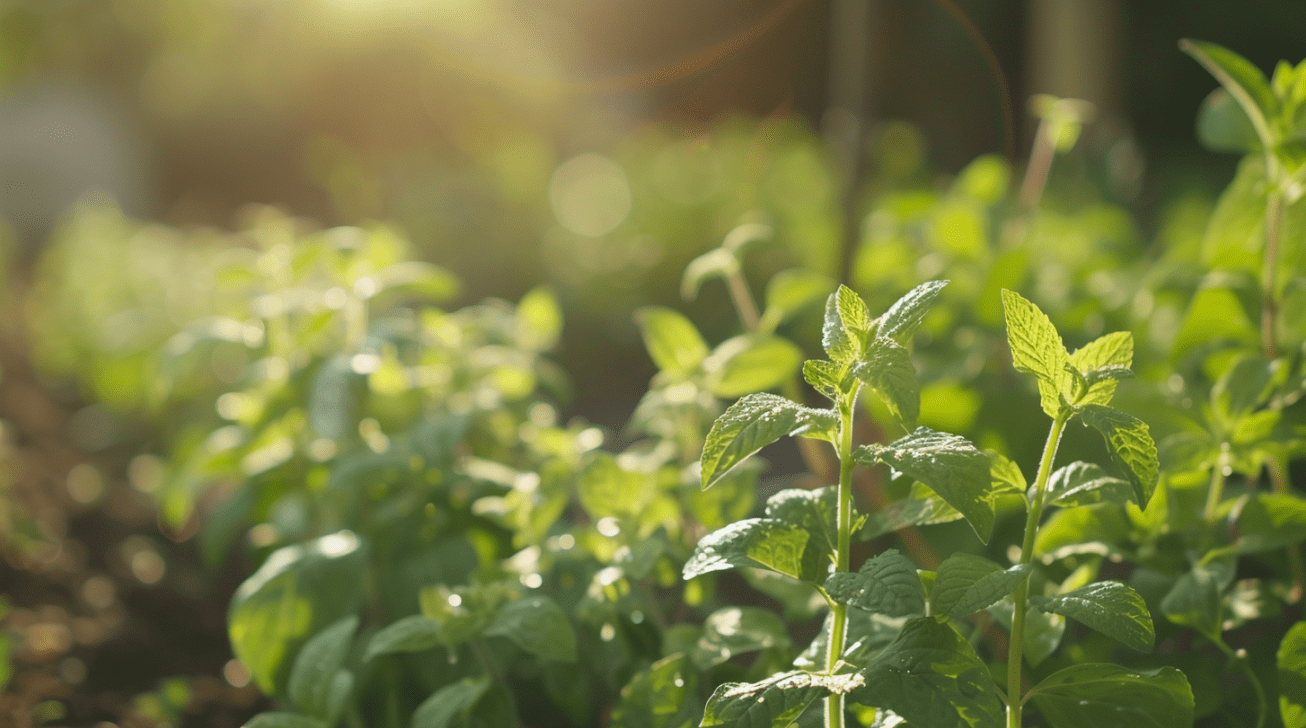
- Peppermint and Spearmint: The dynamic duo of the mint family, famous for their refreshing zest and equally robust spreading habits.
- Pennyroyal and Other Mints: Cousins in the mint family, each with its unique aroma and a shared penchant for exploration.
- Comfrey: A healing herb with deep roots and a tendency to claim territory.
- Lemon Balm: This citrus-scented charmer can quickly become the life of the party, spreading joy (and itself) far and wide.
- Bee Balm: A pollinator’s paradise that loves to spread its wings (or roots, in this case).
Keeping Enthusiasm in Check
Here’s how to enjoy these herbs without letting them stage a garden takeover:
Container Gardening: Your Best Ally
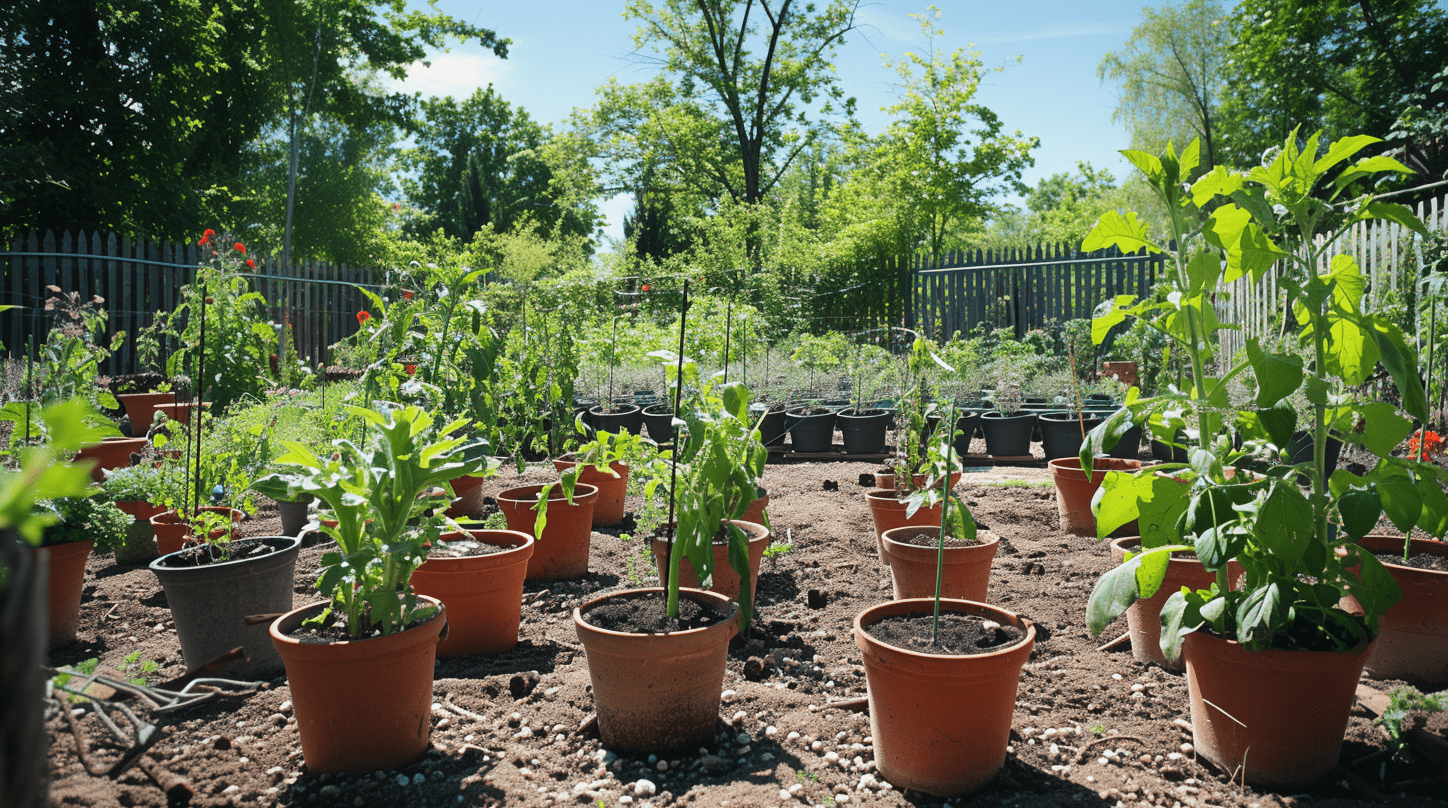
- Separate Quarters: Plant each herb in its own container. This not only prevents them from encroaching on each other’s space but also allows you to control their growth more effectively.
- Choose the Right Containers: Ensure your containers have adequate drainage holes. Herbs love well-drained soil, and good drainage helps prevent root rot.
Garden Integration: With a Twist
- Submerged Containers: If you’re keen on incorporating these herbs into your garden beds, use the “container within a garden” approach. Plant your herbs in pots, then dig a hole in your garden to place the entire pot in, leaving the rim about 1-2 inches above the soil. This method keeps their root systems contained, preventing them from spreading uncontrollably.
- Regular Check-ups: Keep an eye on your herbaceous friends. Regular pruning and harvesting will not only keep them in check but also encourage healthier growth.
Extra Tips for Harmonious Herb Gardening
- Companion Planting: Some plants can coexist happily with your invasive herbs. Research companion plants that can hold their own or even benefit from their neighbors.
- Harvest with Joy: Frequent harvesting not only provides you with fresh herbs for your culinary adventures but also helps control growth. Mint, for example, is wonderful for teas, garnishes, and even homemade pesto.
- Sharing is Caring: If your herbs do get a bit enthusiastic, consider repotting the extras and sharing them with friends, family, or neighbors. It’s a wonderful way to spread the love (and not just the plants).
Embrace the Wild with Wisdom
Invasive herbs, with their robust growth and sometimes zealous spreading, remind us of nature’s abundance and resilience. By planting them with care, understanding their needs, and setting gentle boundaries, we can enjoy their beauty, flavors, and benefits without compromising the harmony of our gardens.
So, go ahead, plant that peppermint or lemon balm. With a bit of planning and a dash of love, your garden can be a lush, diverse haven for all its leafy inhabitants. Happy gardening!
Related Posts:
 Which herbs are the most invasive in the garden
 Navigating Anxiety with Positivity and Care
 Poison Ivy Treatment: Soothe the Itch with Care and Caution
 Suede Care Simplified: Keeping It Soft and Stylish
 Cleaning Mattress Stains: A Guide to Pristine Mattress Care
 Thrifty Pet Care: Unlocking the Secret to Reducing Vet Bills
 Sparkling Clean: The Ultimate Guide to Hummingbird…
 How to care for Valentine's Day roses