The World of Dead Sea Salts vs. Epsom Salts

Dive Into Wellness: The Marvelous World of Dead Sea Salts vs. Epsom Salts
Welcome to our cozy corner of the web, where we explore the treasures of nature that can enhance our wellness journey without denting our wallets! Today, we’re diving deep into the saline wonders of Dead Sea salts and Epsom salts—two of nature’s most magnificent gifts, each with unique properties and benefits to offer.
Whether you’re a seasoned spa enthusiast or someone curious about natural health and beauty remedies, understanding these salts can transform your self-care routine into an oasis of relaxation and healing.
Let’s embark on this salty adventure together, sprinkling our way to knowledge and wellness!
Unveiling the Salty Treasures: What Are Dead Sea Salts?
Dead Sea salts are extracted from the mineral-rich waters of the Dead Sea, a salt lake bordered by Jordan, Israel, and Palestine. Unlike regular sea salt, Dead Sea salts contain a bounty of minerals such as magnesium, calcium, sulfur, bromide, iodine, sodium, zinc, and potassium.
These minerals, in their unique combination, offer therapeutic benefits that have been celebrated for thousands of years, including skin rejuvenation, muscle relaxation, and joint relief.
The Soothing Power of Epsom Salts
On the other side of the mineral spectrum, we have Epsom salts, named after a bitter saline spring in Epsom, England. Epsom salts are not actually salt but a naturally occurring pure mineral compound of magnesium and sulfate.
These components are known for their health benefits, such as easing muscle pain, reducing inflammation, and helping to flush toxins from the body.
Salty Comparisons: How Do They Differ?
Mineral Makeup
The primary difference between Dead Sea salts and Epsom salts lies in their mineral composition. Dead Sea salts boast a wide array of minerals beneficial for the skin and body, while Epsom salts focus on the power of magnesium and sulfate.
Therapeutic Benefits
Both salts offer therapeutic benefits, but their effects can vary. Dead Sea salts are often hailed for their skin moisturizing and purifying properties, making them a popular choice for baths and skincare. Epsom salts, with their high magnesium content, are sought after for relaxation, easing muscle soreness, and improving sleep.
Step-by-Step Guide to Using These Salty Wonders
For a Relaxing Bath
- Dead Sea Salt Bath: Dissolve 1-2 cups of Dead Sea salts in a warm bath to soak away stress and soften your skin.
- Epsom Salt Bath: Add 2 cups of Epsom salts to your bathtub, soak for at least 12 minutes to ease sore muscles and relax.
DIY Skincare Recipes
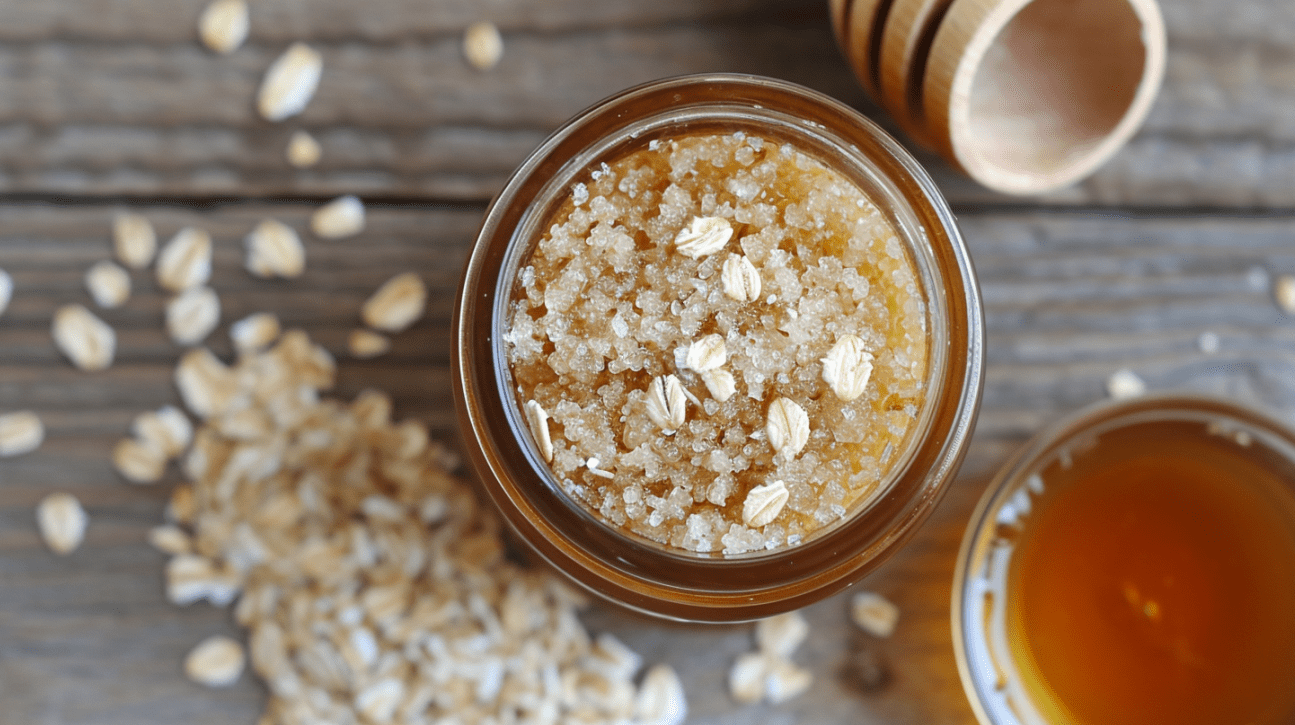
- Dead Sea Salt Scrub: Mix Dead Sea salts with olive or coconut oil and your choice of essential oils for a rejuvenating body scrub.
- Epsom Salt Foot Soak: Combine ½ cup of Epsom salt in a basin of warm water and soak your feet to reduce inflammation and soften skin.
Tips, Advice, and More!
- Patch Test: Always do a patch test when trying out salt scrubs to ensure your skin doesn’t react negatively. While salt won’t cause allergies, the ingredients in the scrubs might!
- Stay Hydrated: Drinking plenty of water before and after salt baths helps enhance the detoxifying effects.
- Customize Your Experience: Feel free to add essential oils or other natural ingredients to create a personalized spa experience at home.
Embrace the Salty Goodness
Dead Sea salts and Epsom salts each offer unique paths to wellness and relaxation, catering to different needs and preferences. By incorporating these mineral-rich salts into your self-care routine, you can enjoy a spa-like experience that not only nourishes your skin but also soothes your muscles and calms your mind—all while keeping an eye on your budget.
So, why not turn your next bath into a mineral-rich retreat? Dive into the healing powers of these salts and let nature’s wonders do the rest!
Related Posts:
 How to Remove Dead Bugs from the Windshield
 Illuminate Your Plate: The Bright World of Food Irradiation
- Saving money on Disneyland & Walt Disney World Passes
- Dive into a World of Creativity: Free Cross Stitch…
- Magical World of Potty Training: Unlocking Success…
 The Enchanting World of Homemade Rose Water: A…
 Exploring the World of Bassinets: A Cozy Nest for…
 Navigating the World of Baby Freebies with Delight…